Hamra
Legal & Regulated2/5RiskyDistrict guide to Hamra in Beirut, the university quarter's nightlife scene with dive bars, live music, and a cultural edge shaped by decades as Lebanon's intellectual center.
Where to stay near Hamra
Hotels walking distance from the venues on this page.
See places to stay and current pricesThe Nightlife Scene
Hand-picked spots in this district
Cafe De Prague
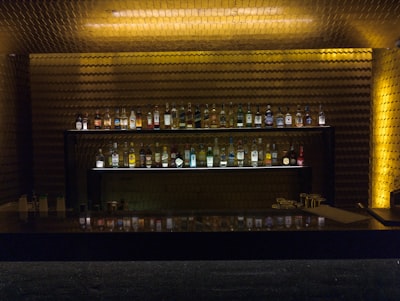
Hamra institution serving cheap drinks to AUB students, journalists, and anyone who wanders in. Czech beer on tap, dark interior, zero pretension. Beer $3-5.
Hamra Street, Beirut
Captain's Cabin
Nautical-themed pub that's been open since the 1960s. One of Beirut's oldest bars. Wood-paneled walls covered in maritime artifacts. A genuine time capsule. Beer $4-6.
Rue Jeanne D'Arc, Hamra
Bloc
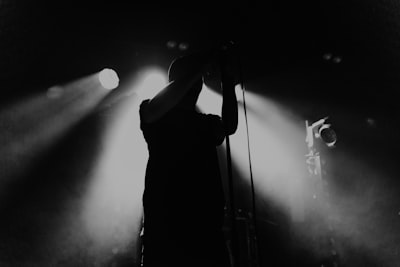
Intimate live music venue hosting jazz, blues, and Arabic experimental acts. Two-room layout with a bar area and performance space. Cover $5-10 on show nights. The sound system punches above the venue's size.
Hamra, Beirut
Madame Om
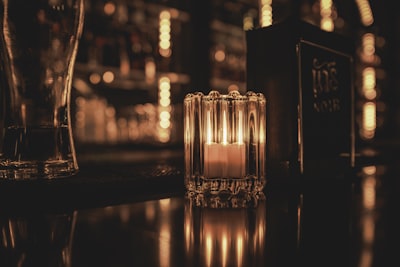
Rooftop lounge above Hamra Street with Mediterranean views on clear nights. Cocktails lean toward the creative side. Popular with the 30-something professional crowd. Cocktails $10-14.
Makdisi Street, Hamra
Ferdinand
Small wine bar with a curated Lebanese and French wine list. Exposed brick, candlelight, and a crowd that actually talks to each other instead of staring at phones. Wine by glass $6-10.
Hamra Side Street, Beirut
Dany's
No-frills neighborhood bar that fills with regulars most nights. Local arak, cold Almaza beer, and meze plates passed around communal tables. The kind of place where strangers become drinking partners.
Hamra, Beirut
Radio Beirut
Live music bar and cultural space with rotating DJ nights and band performances. Indie, electronic, and Arabic alternative genres. Cover free to $10. The crowd skews creative and young.
Armenia Street / Hamra border, Beirut
Overview and Location
Hamra is west Beirut's main commercial and cultural street. It runs roughly east-west through the Ras Beirut peninsula, with the American University of Beirut's campus anchoring its western end and the commercial district stretching east. For decades, Hamra was Beirut's undisputed center of intellectual and nightlife culture. Writers, journalists, and revolutionaries drank at its cafes during the city's golden age in the 1960s and 1970s.
We visited every venue listed below in person.
The neighborhood lost some of its centrality to Gemmayzeh and Mar Mikhael during the 2000s and 2010s, as east Beirut attracted the glossier end of the nightlife spectrum. But Hamra kept its character. This is still the place for cheaper drinks, cultural events, live music in small rooms, and bars where conversation matters more than Instagram.
The AUB student population keeps Hamra young and energetic during the academic year. Professors, journalists, NGO workers, and artists fill out the demographic. The crowd is politically aware and culturally engaged in a way that sets it apart from Beirut's other nightlife zones.
Legal Status
Hamra operates under the same legal framework as the rest of Beirut. Bars and restaurants hold standard commercial licenses. There's no formal adult entertainment in the district. The nightlife here is bars, live music, and restaurants.
Police presence in Hamra is lighter than in Gemmayzeh. The ISF maintain checkpoints near the AUB campus gate and patrol the main street, but enforcement of licensing and closing hours is minimal. The neighborhood polices itself through community norms more than official authority.
Some bars in the area have served continuously through multiple wars and crises without interruption. The attitude toward regulation here is pragmatic: stay open, don't cause problems, and nobody bothers you.
Costs and Pricing
Hamra is the budget option for Beirut nightlife. Prices run 20-30% lower than Gemmayzeh and Mar Mikhael, driven by the student economy and the neighborhood's less aspirational character.
Beer costs $3-6. Local Almaza and 961 brands sit at the bottom of the range. Imported bottles and craft options cost more. Cocktails run $6-12, with most standard bars charging $7-9 for well-made drinks. Arak, the anise spirit that defines Lebanese drinking culture, costs $4-6 per glass at most bars. Wine by the glass runs $5-10 for Lebanese labels.
No cover charge at most venues. Live music spots charge $5-10 on show nights, sometimes including a drink. There are no clubs in the Gemmayzeh sense of the word, so bottle service isn't part of the equation.
Food is cheap and excellent. AUB students need to eat affordably, and the surrounding streets deliver. Manoushe from Abou Salim costs $1-2. Shawarma runs $2-3. Falafel wraps cost $1.50. A full sit-down dinner at a local restaurant costs $15-25 per person.
US dollars are preferred but Lebanese pounds are accepted more readily here than in east Beirut. Many Hamra businesses serve a local clientele and are accustomed to both currencies.
Street-Level Detail
Hamra Street itself is a two-lane road with shops, cafes, banks, and restaurants on both sides. The nightlife spots are mixed in with daytime businesses rather than concentrated in a dedicated entertainment zone. This gives the street a lived-in, neighborhood feel even at night.
Makdisi Street runs parallel to Hamra one block south and has several bars and restaurants. The rooftop venues along this street offer views toward the sea. It's quieter than Hamra Street but has some of the area's better cocktail options.
Rue Jeanne D'Arc and the side streets near AUB's main gate concentrate the oldest establishments. Some of these bars have been operating since the 1950s and 1960s. Wood-paneled interiors, photos on the walls from decades past, and bartenders who've seen everything. These are Beirut's living history.
The AUB area. The campus itself is closed to non-students in the evenings, but the streets immediately surrounding the gates are lined with cafes, juice shops, and sandwich places serving the student crowd. The atmosphere here is younger and more casual than anywhere else in the district.
The flow of an evening. Hamra nightlife starts earlier and ends earlier than Gemmayzeh. Students fill cafes from late afternoon. Bars pick up around 8 PM. Live music shows typically start at 9 or 10 PM. By 1-2 AM, things are winding down on the main street, though a few spots stay open later. People who want to continue often taxi east to Gemmayzeh for the later hours.
Safety
Hamra is a mixed area with both safe commercial streets and quieter residential blocks. The main street stays populated later than most of Beirut due to the university crowd.
- Stick to Hamra Street, Makdisi Street, and the blocks immediately around AUB after dark. Side streets get quiet and poorly lit
- Petty theft is less common here than in Gemmayzeh because crowds are smaller and there are fewer obvious tourists
- The area around AUB's gates has private security that provides informal monitoring
- Power outages affect this area like everywhere else. Generators keep most bars lit, but streets may go dark between venues
- Drug use exists in the bar scene. Cannabis is common. Harder substances circulate. Possession carries serious legal consequences in Lebanon regardless of quantity
- Political demonstrations occasionally occur along Hamra Street. These can escalate unpredictably. If you see a gathering forming, leave the area calmly
- Use Uber or Bolt rather than walking long distances at night. A ride from Hamra to Gemmayzeh costs $4-6
Cultural Norms
Hamra's culture is shaped by the university and by decades as Beirut's intellectual quarter. The atmosphere is less about appearance and more about conversation. You'll find people genuinely interested in discussing literature, politics, and culture at the bar.
- Dress code is relaxed. Jeans and a decent shirt are fine everywhere. Nobody judges sneakers here. The vibe is anti-pretentious by Beirut standards
- Arabic and English mix freely. French appears less frequently than in east Beirut. AUB's influence means English proficiency is high
- Buying rounds matters. If someone buys you a drink, reciprocate. Lebanese generosity is genuine and expects to be matched
- Tipping 10-15% is standard. Bartenders remember regulars and good tippers
- Smoking is universal. Every outdoor seat at every bar has ashtrays. Indoor smoking happens constantly despite theoretical bans. If smoke bothers you, this neighborhood will be difficult
- The political spectrum in Hamra bars runs wide. You'll hear everything from Marxist analysis to Hezbollah apologists to hardcore libertarians in a single evening. Listen more than you talk until you understand the dynamics
Practical Information
Getting there. From Gemmayzeh or downtown, a taxi costs $4-7. From the airport, $20-30. Uber and Bolt are the most reliable option. Some shared service taxis run along Hamra Street during the day for $1-2.
Best times. Tuesday through Saturday have activity, with Friday being the strongest night. The university calendar matters: during term time (October through May), the bars are fuller. Summer thins the crowd as students leave, though residents keep things going.
AUB connection. If you're staying in Hamra, the AUB campus is worth a daytime visit. The grounds are green, well-maintained, and offer views of the Mediterranean. The campus museum has a small but interesting archaeology collection. Entry requires ID at the gate.
Proximity to Gemmayzeh. The two nightlife zones are about 3 km apart. A taxi between them takes 5-10 minutes depending on traffic. It's common to start in Hamra and move to Gemmayzeh later in the evening, or vice versa. Some people walk it in 20-25 minutes via the corniche (seafront promenade), though this route is not recommended after midnight.
Food at 2 AM. Hamra has better late-night food options than Gemmayzeh. Manoushe bakeries stay open around the clock. Shawarma shops near AUB serve until 3-4 AM. A post-drinking manoushe is a Lebanese tradition worth experiencing.
Bookshops. Hamra's identity includes its bookshops. Librairie Antoine and several independent shops stock Arabic, English, and French titles. They're daytime destinations but contribute to the neighborhood's character.
Get the Legal Status PDF, 50 countries
Newsletter signup coming soon. Check back shortly.
Related Guides
Beirut Overview
City guide to nightlife in Beirut, covering Gemmayzeh, Mar Mikhael, Hamra, safety conditions, and practical tips for a city rebuilding between crises.
Read guideGemmayzeh & Mar Mikhael
District guide to Gemmayzeh and Mar Mikhael in Beirut, the heart of Lebanon's nightlife strip with bars, clubs, and live music venues along Armenia Street.
Read guideFrequently Asked Questions
Was this guide helpful?