Laugavegur
Semi-Legal5/5Very SafeDistrict guide to Laugavegur in Reykjavik, the main nightlife strip where bars, clubs, and live music venues concentrate along a few walkable blocks.

Where to stay near Laugavegur
Hotels walking distance from the venues on this page.
See places to stay and current pricesTop Spots for a Night Out
What's open and worth your time
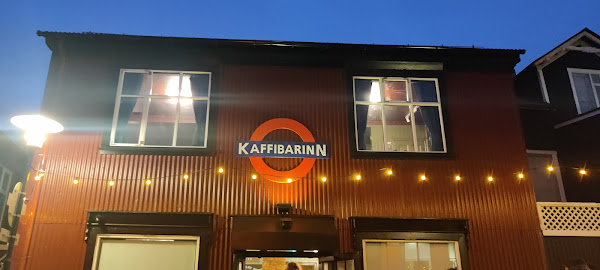
Kaffibarinn
Iconic Reykjavik bar partly owned by Blur's Damon Albarn. Small, packed, and loud on weekends with DJs spinning until closing.
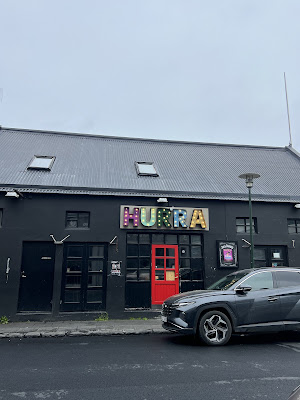
Hurra
Live music venue and bar that hosts local and international acts. Transitions into a DJ-driven dance floor after midnight on weekends.
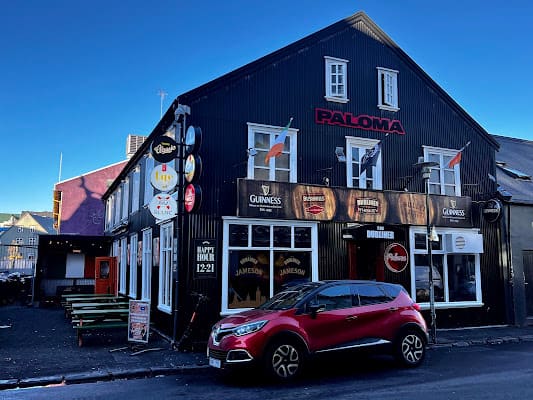
Paloma
Reykjavik's closest thing to a proper nightclub, located above a bar on Naustin. Multiple rooms with different music on weekend nights.
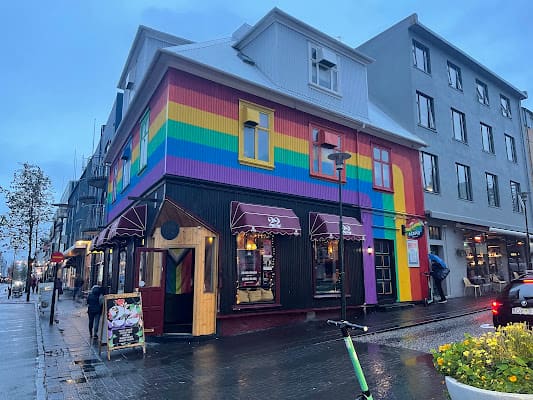
Kiki Queer Bar
Reykjavik's main LGBTQ+ bar on Laugavegur. Welcoming to everyone, with drag shows and themed nights drawing a mixed crowd.
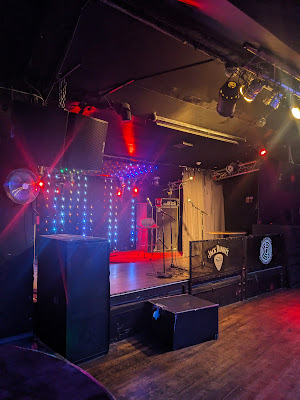
Gaukurinn
Alternative music venue known for punk, metal, and indie acts. Regular comedy nights and open mic events round out the schedule.
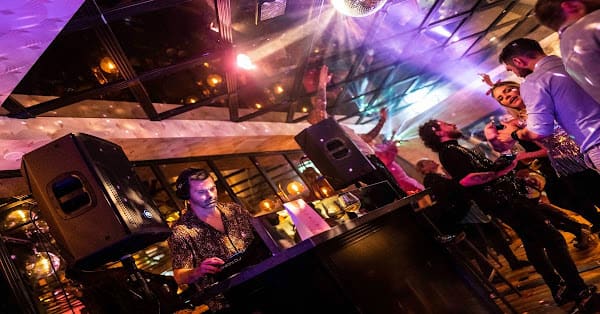
Pablo Discobar
Cocktail bar with a Latin American theme on Veltusund. Strong drinks, colorful decor, and a party atmosphere on weekends.
Overview and Location
Laugavegur is Reykjavik's main commercial street, stretching roughly one kilometer through the city center from Hlemmur bus station down to the old harbor area. By day it's a shopping street. By night, particularly Friday and Saturday, it becomes the spine of Reykjavik's concentrated nightlife scene.
Prices confirmed through direct visits in March 2026.
The nightlife venues cluster along Laugavegur itself and on the side streets that branch off it, particularly Hverfisgata (one block north), Klapparstígur, and the area around Naustin and Tryggvagata near the harbor. You can walk the entire circuit in 15 minutes, which makes bar-hopping effortless. On a busy Saturday night, the streets between venues fill with people moving from one spot to the next, creating an open-air party atmosphere despite whatever the weather is doing.
Legal Status
Iceland's Nordic model applies throughout the country, including Reykjavik's nightlife district. Buying sex is illegal, strip clubs don't exist, and there are no commercial nudity venues of any kind. The nightlife here is conventional: bars serving drinks, clubs with dance floors, and live music spots showcasing Iceland's outsized music scene.
Police patrol the Laugavegur area on weekend nights. They're approachable and primarily focused on alcohol-related public order. Closing time enforcement is consistent: bars shut at 1 AM on weeknights and 4:30 AM on Friday and Saturday.
Costs and Pricing
Reykjavik's prices are brutal. There's no way around it.
- Beer: 1,500-2,000 ISK ($11-15 USD / 10-14 EUR) for a draft pint
- Cocktails: 2,500-3,500 ISK ($18-26 USD / 17-24 EUR) depending on venue and complexity
- Wine: 1,800-2,500 ISK ($13-18 USD) per glass
- Cover charges: 2,000-3,000 ISK ($15-22 USD) at clubs, most bars are free entry
- Happy hours: Several bars run happy hour specials between 4 PM and 8 PM, cutting beer prices to 900-1,200 ISK. Locals take advantage of these windows
Budget reality: a night of four to five drinks plus one cover charge will cost roughly 10,000-15,000 ISK ($75-110 USD). Locals pre-drink at home with alcohol purchased from Vinbudin, the state-run liquor store, where prices are about half of bar rates. Smart tourists do the same.
Street-Level Detail
Walking up Laugavegur from the harbor end on a Saturday at midnight, the street is just starting to wake up. A few early arrivals mill around outside Kaffibarinn, smoking and chatting. Music spills from open doors. The crowd is a mix of Icelanders in their twenties and thirties plus a rotating cast of tourists, heavier on internationals during summer.
By 1:30 AM the dynamic shifts. Bars fill up, lines form at the popular spots, and the sidewalks become a social scene of their own. People bounce between venues without much planning. Someone you talked to at Hurra will show up next to you at Paloma an hour later. The small-city nature of Reykjavik makes the nightlife feel more communal than anonymous.
Most venues are small. Kaffibarinn fits maybe 100 people comfortably. Paloma holds more but splits across multiple rooms. This intimacy is part of the appeal but also means popular spots reach capacity early. Don't wait until 2 AM to try getting into the place everyone recommended.
Safety
Laugavegur at night is about as safe as nightlife districts get. Violent crime is so rare in Reykjavik that individual incidents make national news. You can walk the entire strip alone at 4 AM without concern, though the usual alcohol-related precautions apply everywhere in the world.
Winter presents a real hazard that has nothing to do with crime. Temperatures drop to -5 to -15C, sidewalks ice over, and wind chill makes it worse. Walking home drunk in these conditions is genuinely dangerous. Call a cab. The 3,000 ISK fare is worth it.
Some bars near the tourist-heavy end of Laugavegur charge higher prices than the venues locals prefer. This isn't a scam per se, but checking the price list before ordering saves surprises. Happy hour signs outside can be misleading if the discount window has already closed.
Cultural Norms
The Icelandic approach to going out is different from most of Europe. People stay home until late, arrive at bars around midnight, and don't leave until 4 AM. Showing up at 10 PM marks you as a tourist or someone with nowhere else to be.
Conversations start more easily as the night goes on. Icelanders can seem reserved at first, but alcohol and late hours dissolve the formality. By 2 AM, strangers at adjacent bar stools are having deep conversations about Icelandic sagas or the merits of fermented shark. Don't mistake initial politeness for disinterest.
Gender dynamics are egalitarian. Women buy rounds, approach people they're interested in, and generally operate on equal social footing. Aggressive or persistent advances are unwelcome and will be noticed in these small spaces.
Practical Information
Getting there: Walk. If you're staying anywhere in central Reykjavik, Laugavegur is within 10 minutes on foot. From hotels in the Hlemmur area, the walk is even shorter. Taxis from the outskirts of Reykjavik cost 2,000-4,000 ISK.
Best nights: Friday and Saturday are the only reliable nights for a full scene. Thursday shows activity during summer tourist season. Other nights are quiet unless a concert or special event is happening.
Dress code: Casual but put-together. Icelanders dress well for going out, but nobody's getting turned away for wearing jeans and a nice sweater. Waterproof outerwear is practical for moving between venues in rain or snow, though most people leave coats at the door or in venue cloakrooms.
Payment: Cards are accepted everywhere. Iceland is nearly cashless, and most locals don't carry physical money. Tipping is not expected or customary.
Timing: Arrive at your first bar around midnight. Peak hours are 1:30 AM to 3:30 AM. Last orders come at 4 AM on weekends, and everyone spills out by 4:30. The post-bar food scene (hot dogs from Baejarins Beztu, pizza slices from Devitos) is part of the ritual.
Get the Legal Status PDF, 50 countries
Newsletter signup coming soon. Check back shortly.
Frequently Asked Questions
Was this guide helpful?