Border Clubs
Legal, Unregulated2/5RiskyGuide to the Czech-German border club scene near Cheb, covering the nightclubs, current status, and safety considerations for the declining border entertainment industry.

Where to stay near Border Clubs
Hotels walking distance from the venues on this page.
See places to stay and current pricesPlaces to Drink and Dance
The places locals and visitors recommend
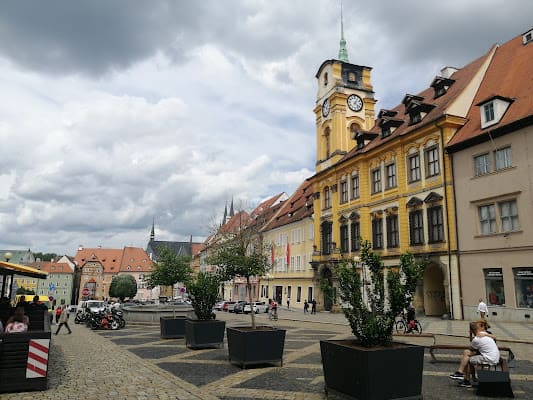
Rote Laterne
One of the surviving border clubs on the E48 road. Caters primarily to German-speaking visitors. Prices negotiated in EUR.
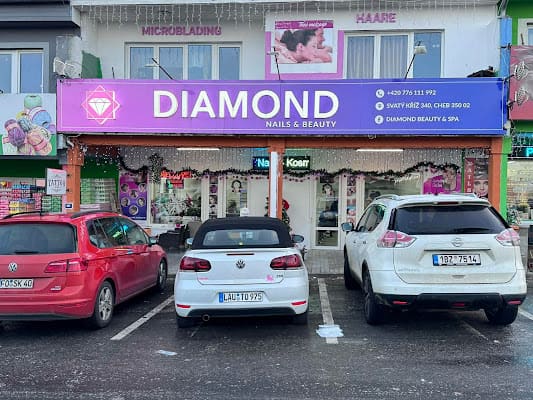
Club Diamond
Roadside venue between Cheb and the German border. Features a bar, dancers, and private rooms. Operates mainly on weekend evenings.
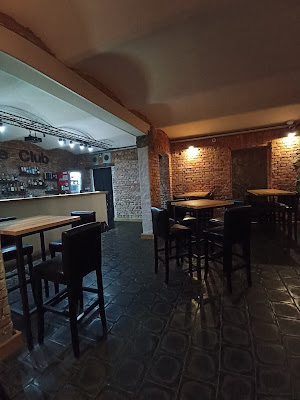
Musikbar Cheb
Town-center bar in Cheb with occasional live music. More relaxed than the roadside clubs and frequented by locals. Czech beer on tap at standard prices.
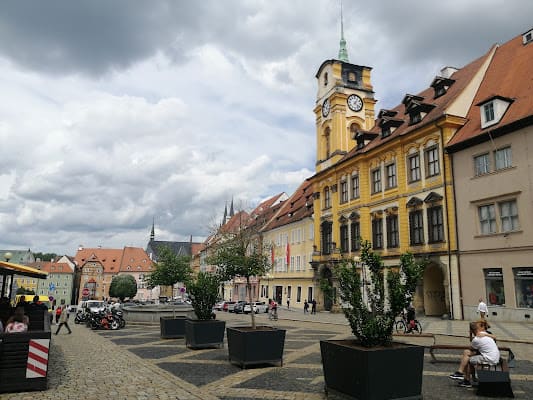
Nonstop Club
24-hour border club on the road toward As. Basic facilities. One of the more persistent establishments in the declining border scene.
Overview
The Czech-German border clubs were once a defining feature of the post-communist frontier. From the early 1990s through the mid-2000s, dozens of adult nightclubs lined the roads between Czech border towns and German crossing points. They existed for a single reason: German clients could buy services in the Czech Republic for a fraction of the German price.
Prices confirmed through direct visits in February 2026.
The clubs were hard to miss. Neon signs, illuminated facades, and parking lots full of German-plate cars marked the border roads, particularly around Cheb, As, Pomezi nad Ohri, and the routes toward Waldsassen and Schirnding in Bavaria. They became one of the most visible symbols of the economic disparity between Western and Eastern Europe after the Iron Curtain fell.
That era is largely over. What remains is a diminished, uneven collection of survivors operating in a market that has fundamentally changed.
The Decline
At the industry's peak in the late 1990s and early 2000s, the Cheb border corridor alone had an estimated 50 or more adult venues. The number today is difficult to pin down because establishments open, close, and reopen under different management, but a reasonable estimate puts it at fewer than 10 active operations in the immediate Cheb area.
Several forces drove the contraction. The Czech Republic's EU accession in 2004 started a gradual economic convergence with Germany. Czech wages rose. Prices increased. The gap that made border clubs viable as a business model narrowed year by year.
Law enforcement on both sides intensified. Czech police shut down venues linked to trafficking and organized crime. German authorities ran sting operations targeting clients. Media investigations put public pressure on politicians in both countries. The combination made operating a border club riskier and less profitable.
The internet dispersed the market. Clients who once needed to physically drive to a border club could now find services through online platforms, Czech escort directories, or by traveling to Prague where the market is larger and more established. The roadside club lost its monopoly on access.
What Remains
The surviving border clubs fall into two rough categories.
Established operations that have maintained their businesses through the downturn tend to be the more professional end of the market. They have functional premises, regular staff, some online presence, and a base of returning German clients. These venues operate something like a conventional strip club or nightclub with private rooms. You enter, order a drink, meet available women, and negotiate any private services separately. Prices are posted or communicated clearly.
Marginal operations are the remnants that survive on low overhead and bottom-of-the-market pricing. These may be housed in buildings that haven't seen maintenance investment in years. Staff turnover is high. The customer experience is unpredictable. These venues carry the highest risk of problems, from aggressive pricing after the fact to confrontation.
The roadside format itself has largely died. Most surviving clubs are in or near the towns rather than isolated on border roads. A few roadside locations persist, but the image of a lit-up club every kilometer along the E48 belongs to the past.
How They Work
The basic format is consistent across surviving venues. You park, enter (usually no entry fee or a nominal one of EUR 2-5), and find yourself in a bar area. Drinks are ordered and paid for at standard prices. Women working at the venue circulate through the bar area. If mutual interest exists, you negotiate privately for time and services in a separate room.
Pricing for private time is typically agreed before moving to the room. Payment is cash, made to the woman directly or at a counter depending on the club's system. There's no ambiguity about the nature of the business.
German is the primary language of transaction. Many staff members speak limited Czech and almost no English. If you don't speak German, communication will be basic. A translation app on your phone is helpful.
Pricing
The border clubs offer some of the cheapest adult entertainment prices in the European Union.
- Drinks at the bar: EUR 3-8 for beer, EUR 5-12 for spirits or cocktails
- Lady drinks: EUR 8-15 where the practice exists
- Private sessions: EUR 20-50, with 30 minutes as a common standard
- Extended sessions: EUR 50-80 for an hour at most venues
These prices are roughly one-third to one-half of what equivalent services cost in Prague, and a fraction of German prices. The low pricing reflects the market's decline; venues that once could charge more have dropped prices to maintain what business remains.
Safety
The border club scene carries real risks that distinguish it from urban nightlife in Prague or Brno. Don't skip this section.
- Vehicle break-ins are the most common problem. German-plate cars at border venues are known targets. Don't leave anything visible inside. Consider parking in a lit area close to the entrance if possible
- Robbery happens. Carrying large amounts of cash in isolated border locations is asking for trouble. Bring only what you plan to spend, plus a small reserve for emergencies
- Confrontation can arise, particularly at lower-end venues late at night. Alcohol, money, and the general atmosphere create friction points. Don't start arguments. If a situation escalates, leave
- Don't go alone. This advice comes up repeatedly in accounts from the area, and it's worth repeating. Having a companion changes the risk calculation
- Vehicle condition matters. The roads around the border area are rural. Breaking down at 2 AM on a dark road near Pomezi nad Ohri is not a situation you want
- Police checkpoints operate on border roads, particularly on weekends. Czech blood alcohol limit is zero tolerance (0.0%). German limits are slightly more permissive at 0.05% but still strict
- Don't carry identification you can't afford to lose. Bring a copy of your passport, not the original. Leave the original in your hotel safe
If something goes wrong, call 112. The nearest hospital is in Cheb. Response times to rural border locations can be longer than in urban areas.
What Not to Do
- Don't romanticize the border club scene. The peak era created real human costs, and the decline hasn't resolved all of them
- Don't visit the most isolated roadside locations alone or late at night
- Don't leave valuables in your car under any circumstances
- Don't carry excess cash. ATMs exist in Cheb town center if you need more
- Don't drive after drinking. Zero tolerance means zero
- Don't assume that because prices are low, the experience will be casual or risk-free
- Don't get into disputes about pricing. Agree on everything before any service begins. If the terms aren't clear, walk away
- Don't expect the infrastructure of an urban nightlife district. There are no police patrols, no CCTV networks, no taxi ranks waiting outside. Plan your transport in advance
Get the Legal Status PDF, 50 countries
Newsletter signup coming soon. Check back shortly.
Frequently Asked Questions
Was this guide helpful?