Solo safety
Average
Monthly budget
USD 1,400-2,400 per month for a comfortable mid-tier life in El Poblado or Laureles with a one-bedroom, daily lunches out, gym, Spanish classes, and weekend trips.
English level
Limited English
Visa-free for US
Yes
Nomad-friendly
Yes
Best season
December to March (also July to August)
Legal status
legal unregulated
Country
Colombia
Safety realism: scams to know before you go
The specific patterns operators run on solo male travelers in Medellin. These are not generic warnings; they are the schemes that actually get reported. Knowing the pattern is most of the defence.
Escopolamina (devil's breath) drink spiking
Scopolamine is a powerful drug derived from the borrachero plant that erases short-term memory and makes victims obedient. Targets typically wake up in an apartment with bank accounts emptied, phones gone, possessions cleared out. Often delivered by an attractive stranger met at a bar, club, or matched on a dating app. Documented cases in El Poblado are not rare. The US State Department issues warnings about it specifically.
How to avoid
Never accept a drink you didn't watch poured. Don't go home with someone you met that night, especially someone you matched online same-day. Don't accept cigarettes, gum, or food from strangers. If you suddenly feel disoriented or excessively relaxed after one drink, go directly to your hotel reception or a Migracion office, not your apartment.
Fake police passport check
Two men in plain clothes show what looks like police ID and ask to inspect your passport and wallet 'for drug enforcement'. They palm cash from your wallet during the inspection and hand it back. Sometimes a real-looking patrol car is parked nearby for authenticity.
How to avoid
Real Colombian police don't perform passport inspections on the street in tourist areas. Insist on going to a uniformed officer or the nearest police station. Don't hand over your wallet; show your ID through your wallet's window. Photograph the ID badges. The scammers will leave.
Avenida la 33 / nightlife district muggings
Provenza and Parque Lleras are well-policed and largely safe; the trouble is on the walk home, especially if you've been drinking. Side streets off Avenida 33 and the calles between Lleras and the metro station have repeated reports of robberies by men on motorbikes. They target obvious tourists with visible phones, watches, or backpacks.
How to avoid
Always take Uber or Cabify home from Lleras after dark, never walk back to your apartment even if it's only six blocks. Keep your phone in your front pocket if you must walk; never hold it in your hand looking at maps. Don't wear a visible watch or jewellery.
Street taxi rate manipulation
Street taxis sometimes claim the meter is broken and quote 30,000 to 50,000 COP for a ride that should cost 9,000 to 15,000 COP. The smaller version: the meter runs but the driver detours through traffic to inflate the fare.
How to avoid
Use Uber, Cabify, or DiDi for every ride. Apps are widely used and reliable in Medellin. The driver pulls into your pin location, the price is set in advance, and the route is tracked. Street taxis are only needed in the rare app-dead-zone.
Bar tab and 'service' confusion in El Poblado
Some bars in Provenza add a 10 percent service charge plus an additional tip line on the receipt, and rounds get added to the tab without verbal confirmation. End-of-night bills run 30 to 50 percent higher than the door menu implies.
How to avoid
Pay round by round at the bar. When you do open a tab, ask explicitly whether servicio is included. Photograph the menu when you arrive. Refuse charges you didn't sign for; Colombian consumer law backs you.
Where to live as a solo traveler
The neighborhoods that consistently work for solo arrivals, with realistic monthly rent for a furnished one-bedroom. Choose by stay length: most first-month visitors do well in the expat-default; long-stayers tend to migrate to the local-priced alternatives.
El Poblado (Provenza, Parque Lleras, Manila)
RecommendedThe expat default. Trendy cafes, design hotels, Provenza's third-wave coffee strip, Parque Lleras nightlife, the EXITO and Santa Fe malls. Hilly but walkable in pockets. Most expensive in the city by far, and increasingly priced like a Western city in 2026. Easiest landing zone for a first-time visitor, but you'll be in an expat bubble.
Monthly rent
USD 700-1,200 for a furnished one-bedroom in a newer building
Laureles
RecommendedThe local-favourite alternative. Flat (a huge quality of life win in this city), more authentically paisa, a real-Colombian-life feel, the Universidad de Antioquia nearby, salsa bars, the Estadio area, and the new metro line A close by. Half the rent of El Poblado for the same square metres. Stronger choice if you have at least intermediate Spanish.
Monthly rent
USD 500-850 for a furnished one-bedroom
Envigado
RecommendedThe municipality just south of El Poblado, technically a separate city but commutable in 15 minutes by metro. The local middle-class neighbourhood: quieter streets, family parks, a famous Sunday food market, lower prices, a smaller but growing expat presence. Best for the long-stay nomad past the discovery phase.
Monthly rent
USD 450-750 for a furnished one-bedroom
El Centro / La Candelaria
Historic downtown with the Botero plaza, the Catedral Metropolitana, government buildings, and street art. Cheaper rent and authentic Colombian street life but real safety issues for visible tourists, especially after dark. Not recommended as a base.
Monthly rent
USD 250-400 for a furnished one-bedroom
Where to stay in Medellin on a longer trip
Compare apartments and aparthotels around the neighborhoods above. Longer stays (14+ nights) typically get monthly-discount pricing not visible on standard hotel sites.
See places to stay and current pricesWhy Medellin Works for a Solo Male Traveler
Medellin sold itself to digital nomads on the strength of a few things that are genuinely true: the climate (the City of Eternal Spring, 16 to 28 C year-round, no winter coats, no AC bills), the geography (a green valley ringed by mountains, lush from cycling-distance to flying-distance), the cost (until recently, a third of US prices), and the warmth of the people (paisa friendliness is real). What changed since 2019 is the scale of the foreign influx. El Poblado has gentrified at speed, English-speaking cafes have multiplied, and 2024 to 2026 rents in expat areas have nearly doubled. The Medellin of 2018 (USD 600 a month for a great apartment) is gone; the Medellin of 2026 still beats Lisbon and Barcelona on price but the gap has narrowed.
This city suits a solo male traveller who wants to combine remote work with active language learning, an outdoors lifestyle (the surrounding mountains have world-class trail running, climbing, and paragliding), and a genuine cultural immersion. Spanish is the unlock. If you arrive with B1+ Spanish, Medellin opens up. If you arrive with zero Spanish and don't start lessons, you'll be stuck in the expat bar circuit on Provenza, which is increasingly the same Tinder-and-rooftops experience you could have in any nomad city.
The city also suits the safety-aware traveller who's willing to do the research and follow simple rules. Medellin is not Bangkok-style safe; the rule "don't dar papaya" (literally don't give papaya, meaning don't make yourself an easy target) is a daily habit, not an occasional one. Phones stay in pockets on the street. Watches are at home. Walks home at 2am from Lleras are replaced by Uber. Drinks come from your own hand or a bartender you watched pour. Most expats develop this muscle quickly. The minority who don't, end up in the State Department's annual scopolamine case-count footnote.
Day to Day Reality
A typical morning in El Poblado for a solo nomad: a 9 to 11 C wake-up under an open window, coffee at Pergamino or Cafe Velvet for COP 15,000, a 3 km walk down hill into Provenza (Medellin is a hilly city; everything in El Poblado is uphill from where you want to go). Work from a Selina, Atom House, or Beta coworking space morning into early afternoon, lunch a menu del dia (set lunch) at a no-frills local restaurant for COP 18,000 to 25,000, more work, then an early-evening Spanish class or a yoga or salsa session.
Evenings: dinner with the language-exchange or salsa-school crowd at a Provenza restaurant, or a home-cooked meal back at the apartment with arepas and aguardiente. Late nights run Thursday through Saturday in Provenza and Parque Lleras; the rest of the week the city is quieter than people online claim.
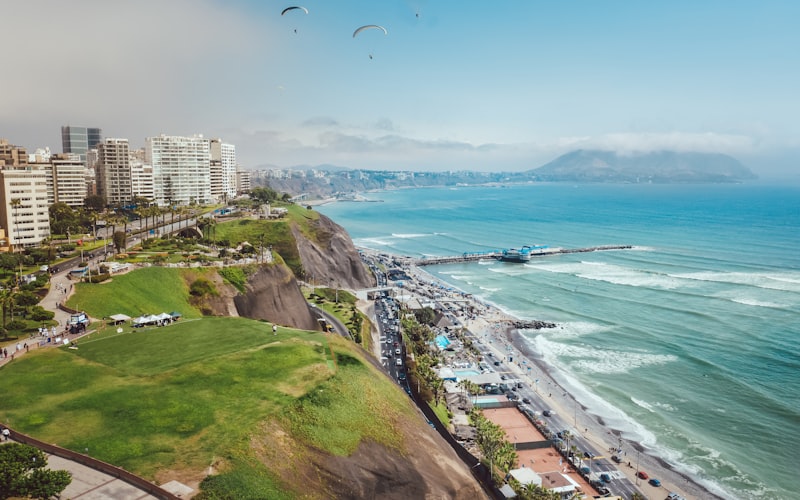
Weekends gravitate outdoors. Cycling the Las Palmas climb, paragliding off the cliffs in San Felix, hiking in Arvi Park (reachable by the city's cable car), salsa Saturdays at a real local club in Laureles, day trips to Guatape and the Piedra del Penol monolith.
Visa Reality
US passport holders enter visa-free for 90 days and can extend once to 180 days total in a calendar year by visiting a Migracion Colombia office (the El Poblado branch is easiest). Bring your passport, a printed flight out, and around COP 130,000.
For longer stays, the Visa V Nomadas Digitales (Digital Nomad Visa) launched in 2023 has become the go-to for remote workers. Two years validity, multi-entry, work for foreign employers only, income threshold around three Colombian minimum wages (in 2026 roughly USD 1,000 monthly). Apply at any Colombian consulate or online. Processing takes 6 to 10 weeks. Costs are around USD 230 in government fees plus translation costs.
The Migrante visa (M visa) is the route for those who form a Colombian partnership or get hired by a Colombian company. The R visa (resident) follows after several years on an M.
Where to Stay
El Poblado is the path of least resistance for a first month. Provenza (Calles 8 and 9 between Carreras 35 and 37) is the dense cafe-and-restaurant strip; Parque Lleras the nightlife heart; Manila the slightly quieter residential pocket just east. Furnished one-bedrooms in newer buildings (post-2015) run COP 2.8M to 4.5M monthly. The downside: prices have run up sharply, Provenza is loud after 10pm Thursday through Saturday, and the area is now what a New York friend of mine called "more nomad than Colombian".
Laureles is where I'd send a second-trip visitor or anyone with usable Spanish. The Estadio area is flat (a real quality of life difference; El Poblado's hills will define your fitness), the salsa scene is more local, the restaurants are better value, and you're closer to actual Colombian daily life. Rents come in 30 to 40 percent lower than El Poblado equivalents.
Envigado is the long-stayer's choice. Technically a separate municipality but a 15-minute metro ride from El Poblado. Family neighbourhoods, lower prices, a stronger sense of permanence. The new metrocable extension to Picacho is making it more connected. Good base if you're staying six months plus.
El Centro / La Candelaria is downtown Medellin, with the Botero Plaza, the Metropolitan Cathedral, and the heaviest historical and cultural density. It's not where you live. Visit on a Sunday morning with a paisa friend or a tour guide. Walking around alone after 5pm is statistically risky and locally discouraged.
Cost of Living Breakdown
Numbers in Colombian pesos (COP) and USD at approximately 4,100 to 1 (May 2026):
- Rent (1BR furnished, El Poblado newer building): COP 2.8M-4.5M (USD 685-1,100)
- Rent (1BR furnished, Laureles or Envigado): COP 2.0M-3.2M (USD 490-780)
- Utilities (electric, water, internet, building): COP 350K-550K (USD 85-135)
- Food (mix of menu del dia, supermarket, occasional dinner out): COP 1.6M-2.4M (USD 390-585)
- Coffee (third-wave daily): COP 450K-650K (USD 110-160)
- Gym (Smartfit, Bodytech basic): COP 80K-180K (USD 20-44)
- Spanish classes (group, 4 hrs/wk): COP 600K-900K (USD 145-220)
- Transport (Uber daily, metro): COP 300K-500K (USD 75-125)
- Going out (Provenza dinners, occasional clubbing): COP 800K-1.5M (USD 195-365)
- Coworking membership: COP 550K-1.1M (USD 135-270)
Total: COP 5.8M-9.5M, or USD 1,400-2,400 monthly for a mid-tier nomad lifestyle. Budget option (Laureles, less eating out, fewer Spanish classes): USD 1,000-1,300. The big swing is rent in El Poblado vs Laureles.
Getting Around
The Medellin Metro is one of the few clean, modern metros in Latin America. Lines A (north-south through Poblado-Centro-Bello), B (west to the stadium and beyond), and the metrocables (cable car lines reaching the hillside neighbourhoods) cover most of the city. A single ride is around COP 3,200. The metro is patrolled, generally safe, and a cultural artefact in Medellin (used as a symbol of the city's recovery).
For everything off the metro lines, use Uber, Cabify, or DiDi. Tariffs are low (COP 9,000 to 25,000 for most rides), drivers are tracked, no cash exchange. Don't take street taxis unless you have to.
The city is built on extreme grades; cycling is not a daily-commute option in El Poblado. You can rent e-bikes for weekend trips down to the Rio (the river that bisects the valley) or up to the higher trail networks.
Where to Meet People
The Medellin social scene is more structured and predictable than people assume. The main on-ramps:
Spanish language exchanges. Toucan (the language-exchange app) runs nightly meetups in Provenza. Tandem and Conversation Exchange list local meetups. The Universidad EAFIT runs weekly intercambios open to outsiders. Show up to two or three of these in your first week, get added to the WhatsApp groups, and you have a built-in social calendar.
Coworking spaces. Selina (Provenza), Atom House (Manila), Beta Cowork, and WeWork Medellin all run weekly community events ranging from coffee mornings to Friday rooftop drinks to monthly entrepreneurship talks. Day passes 35K to 50K COP; monthly memberships 600K to 1.1M COP.
Salsa schools. Dance Free in El Poblado, Son Havana in Laureles, La Galleria in Belen offer beginner classes and weekly socials. Salsa is woven into the social DNA of Medellin in a way it isn't in Bogota or Cartagena. Beginner-friendly: most schools take you from zero to dancing socially in two weeks of nightly drop-ins.
Outdoors clubs. Medellin Hikers, the climbing community at Cuatro Cumbres gym, the cycling community at La Bicicleteria, and the trail-running clan around Las Palmas all welcome foreigners.
Coffee cafes used as meeting hubs. Pergamino (the bigger Provenza branch), Cafe Velvet, Botanika, Salon Malaga (a historic tango cafe in El Centro). Solo workers fill these from 9am to 4pm; they double as soft meeting points.
Day Trips and Weekends
Guatape and El Penol (2 hours northeast): The lake town and the 200-metre rock monolith you can climb (740 stairs, photogenic). The town's painted zocalos (street-level wall paintings) are an Instagram fixture. Best as a 2-day overnight; many nomads do it as a solo weekend trip via a COP 80,000 colectivo van plus a hostel night.
Salento and the Cocora Valley (5 hours west by bus, in the heart of Colombia's coffee country): the most postcard-perfect colonial town in Colombia, gateway to a national park with the world's tallest palm trees and serious hiking. A real 3-day weekend if you want to disconnect. Plan a coffee farm tour (Don Eduardo, Finca El Ocaso) for the morning.
Jardin (3.5 hours southwest): a smaller, less-touristed colonial town. Whitewashed walls, a plaza dominated by a yellow-and-white basilica, hummingbirds, hike to the Cueva del Esplendor cave waterfall. A weekend off the gringo trail.
Logistics
SIM and connectivity. Claro and Movistar are the dominant carriers. eSIM works on both. Picking up a SIM at the airport adds a markup; buy in town for around COP 25,000 plus prepaid data for COP 40,000 to 70,000 monthly. Or use a service like Yesim before arrival.
Money. Wise and Revolut both work well in Colombia. ATMs charge around COP 22,000 per foreign withdrawal so withdraw in larger chunks. Davivienda and BBVA ATMs typically work most reliably with foreign cards. Carry cash for street vendors and small restaurants; cards work in 70 percent of sit-down restaurants and cafes.
Health. Medellin has excellent private healthcare (Clinica Las Vegas, Hospital El Tesoro) at a fraction of US prices. SafetyWing or genki nomad insurance is the standard expat coverage. Pharmacies (La Rebaja, Cruz Verde, Cafam) are everywhere and stock most US medications, often without a prescription.
Bottom Line
Medellin still belongs on the list for solo male nomads, but it has become a more advanced-mode city than its 2019 reputation suggests. You need usable Spanish, a real safety habit, and an interest in something beyond the Provenza bar scene to get value from a long stay. The travellers who learn the language, find a non-bar community (salsa, climbing, trail running, coffee), and respect the local rules of caution are the ones who stay six months and want to come back. The travellers who arrive expecting a turnkey hookup destination leave disappointed at best.
For the explicit nightlife and red-light context of Medellin and Colombia, see the main TDG Medellin page and the Colombia country guide. This solo page is the lifestyle frame for an extended stay; the country pages cover the after-dark side.
Staying connected in Colombia
Tourist SIM cards usually require your passport and a trip to a kiosk. An eSIM works the moment you land: scan a QR, pick a data plan, done. Roaming charges from your home carrier rarely make sense for trips longer than a few days.
Yesim covers 200+ countries including Colombia with pay-as-you-go data and duration-based plans, useful when trip length is unpredictable. Works on iPhone XS and newer, plus most Android phones from 2020 onward. No contract, no commitment.
Get Yesim eSIMNeed the after-dark context too?
This solo travel guide deliberately stays on the lifestyle side of Medellin. For the full legal framework, adult entertainment districts, and venue-level coverage, see the main TDG Medellin city page and Colombia country guide.
Frequently Asked Questions
Affiliate disclosure. Some links on this page lead to Stay22, Yesim, and other partners. If you book through them we may earn a small commission at no extra cost to you. We only link to operators we'd use ourselves; no editorial decision on this page is influenced by commissions.