
Solo safety
Very Safe
Monthly budget
USD 1,800-3,000 per month for a comfortable mid-tier life in Principe Real or Estrela with a one-bedroom, daily restaurant meals, gym, Portuguese classes, and weekend trips.
English level
Widely Spoken
Visa-free for US
Yes
Nomad-friendly
Yes
Best season
April to June (also September to October)
Legal status
legal regulated
Country
Portugal
Safety realism: scams to know before you go
The specific patterns operators run on solo male travelers in Lisbon. These are not generic warnings; they are the schemes that actually get reported. Knowing the pattern is most of the defence.
Bairro Alto fake drugs touts
Touts on the streets of Bairro Alto and the Largo de Camoes plaza aggressively offer hashish, cocaine, and ecstasy to obvious foreign tourists, especially men. The substances are almost always fake (henna leaf, oregano, paracetamol). The price is what tourists pay for nothing of value. Some tourists also report police following these transactions for separate enforcement.
How to avoid
Decline firmly, keep walking, don't engage. Personal drug use was decriminalised in Portugal in 2001 but selling drugs remains illegal. The touts harassing tourists on Bairro Alto streets are not serious dealers; they're scammers selling fake product. Avoid them entirely.
Tram 28 and Baixa pickpocketing
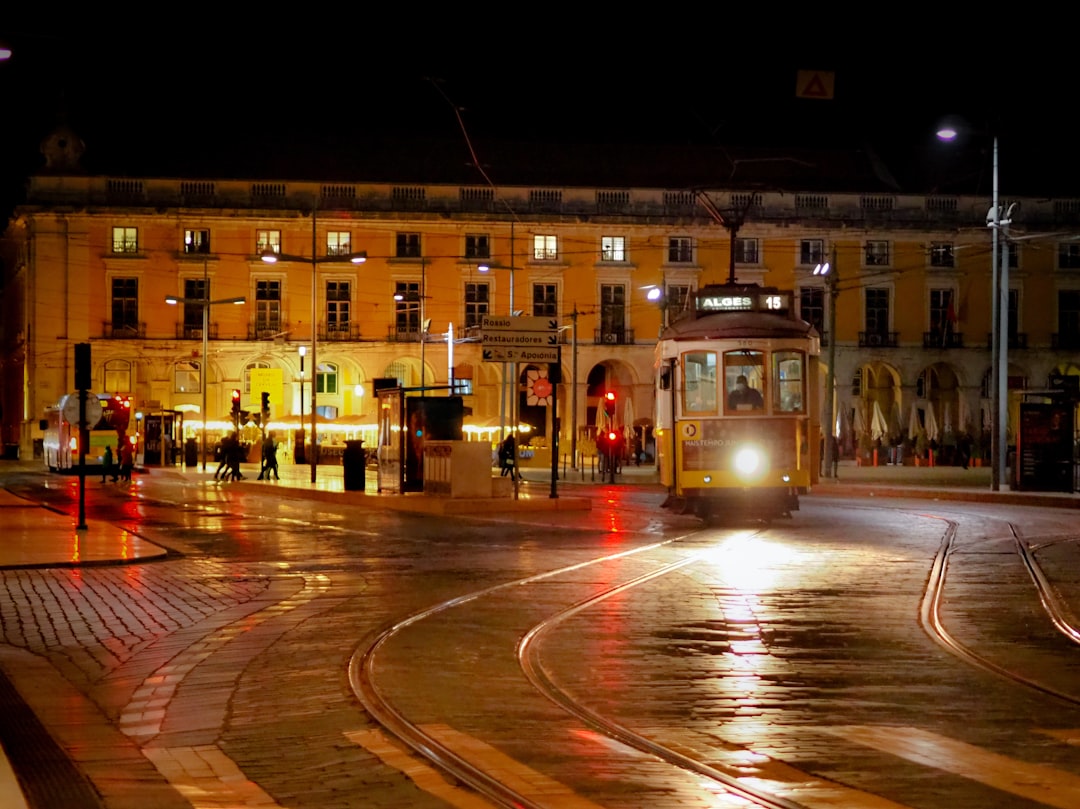
The famous tram 28 runs through Lisbon's most picturesque neighbourhoods (Alfama, Graca, Estrela) and is consequently a pickpocketing target. Organised teams board at busy stops, distract with a stumble or argument, and lift wallets and phones in seconds. Also reported on the metro between Restauradores and Baixa-Chiado.
How to avoid
Keep wallet in front pocket with hand on it during peak hours. Don't put your phone in your back pocket. On the tram 28, stand near the centre or at the doors, not in the densest middle. Use the 24E line as a less-touristed alternative that covers similar routes.
Restaurant couvert and 'special menu' upsell
Lisbon restaurants traditionally bring 'couvert' to the table on sitting (bread, olives, cheese, ham). It's not free; you'll be charged EUR 3 to 8 for items you didn't order. The tourist-trap variant: 'special menu' shown verbally with no prices in Portuguese-only handwritten cards, then the bill arrives 40 to 70 percent above local pricing.
How to avoid
Decline the couvert items when they arrive ('nao obrigado'). Ask for the standard menu, in English, before ordering anything. Eat at places that have written prices on a chalkboard or menu, not handwritten lists in Portuguese only. The tourist-targeted restaurants cluster on Rua Augusta and around the Praca do Comercio; venture two streets away and prices halve.
Lisbon airport unmarked taxi
Drivers at the Humberto Delgado airport sometimes offer flat-fare taxi rides to central Lisbon for EUR 35 to 60. A legitimate metered taxi (cream-coloured Mercedes) charges EUR 12 to 22 including the airport surcharge. Uber and Bolt are EUR 8 to 18.
How to avoid
Use Uber, Bolt, or FreeNow app from the airport. The metro red line goes from the airport to central Lisbon for EUR 1.85 in 25 minutes. The taxi rank at the official airport exit has metered taxis; insist on the meter.
Public Wi-Fi credential phishing in cafes
Some Bairro Alto and Baixa cafes ran fake wifi captive portals in 2023 to 2024 that demanded social login or credit card 'verification' before granting internet access. Most were shut down but isolated incidents continue.
How to avoid
Use a phone hotspot (your eSIM with cellular data) at cafes rather than public Wi-Fi for anything sensitive. If you must use cafe Wi-Fi, use a VPN. Don't enter credit card details on a Wi-Fi captive portal that claims you need to 'verify your identity' before getting access.
Where to live as a solo traveler
The neighborhoods that consistently work for solo arrivals, with realistic monthly rent for a furnished one-bedroom. Choose by stay length: most first-month visitors do well in the expat-default; long-stayers tend to migrate to the local-priced alternatives.
Principe Real / Sao Bento / Estrela
RecommendedThe leafy upmarket residential heart of Lisbon. Plaza-and-tree-lined streets, the Jardim do Principe Real garden, design shops, restaurant streets, the densest mature-nomad and expat presence in the city. Walkable, quiet at night, but central enough to reach Bairro Alto, Chiado, and Avenida da Liberdade by 15-minute walks. The best landing zone for first-month nomads with USD 2,000+ monthly budgets.
Monthly rent
USD 1,400-2,200 for a furnished one-bedroom in a renovated building
Alfama / Graca
RecommendedThe atmospheric, oldest neighbourhoods on Lisbon's eastern hillside. Cobblestone streets, fado music venues, the Castelo de Sao Jorge looking over the city, traditional family-run tascas, Tram 28 running through. Beautiful for tourists and for sentimental long-stayers; but steep streets and small old buildings make daily life logistically demanding. Best for romantics who want character over convenience.
Monthly rent
USD 1,000-1,600 for a furnished one-bedroom
Cascais / Estoril
RecommendedThe seaside option 30 minutes by train west of Lisbon. The Atlantic coast, surf beaches (Carcavelos, Guincho), Cascais marina, an upscale international expat community heavy on retirees and remote workers, much quieter than central Lisbon. Best for nomads who want beach access and a small-town feel while still being commutable to Lisbon.
Monthly rent
USD 1,100-1,800 for a furnished one-bedroom near the train station
Anjos / Arroios
RecommendedThe arriving-but-not-yet-gentrified neighbourhoods just north of central Lisbon. Multicultural (significant South Asian, Bangladeshi, Cape Verdean populations), authentic local life, the cheapest reasonable rents in central Lisbon, the metro red line connecting it to the airport and city centre. Best for budget nomads and longer-stay residents who want the real working Lisbon, not the postcard one.
Monthly rent
USD 750-1,200 for a furnished one-bedroom
Where to stay in Lisbon on a longer trip
Compare apartments and aparthotels around the neighborhoods above. Longer stays (14+ nights) typically get monthly-discount pricing not visible on standard hotel sites.
See places to stay and current pricesWhy Lisbon Works for a Solo Male Traveler
Lisbon offers what people imagined Europe should feel like before they actually moved to Berlin or Paris and discovered the rents and the bureaucracy and the weather. The city is sunny 220+ days a year, the architecture is decorative tilework and pastel facades sliding down seven hills toward the Tagus river, the food is among the world's most consistently good at every price tier, and the people are generously friendly to foreigners. The cost of living rose sharply during the 2019 to 2023 nomad influx but Lisbon remains the cheapest major Western European capital, comfortably below Madrid, Barcelona, Paris, or Rome.
The city suits a solo male traveller in his late 20s through 40s who wants European cultural depth without Western European prices. USD 2,000 a month buys a comfortable life; USD 2,500 to 3,000 buys an excellent one. The infrastructure is genuinely first-world: metro and trams across the city, gigabit fibre in most apartments, third-wave coffee culture, hundreds of coworking spaces. English level is the highest of any Iberian capital; daily friction of being foreign is minimal.
The trade-offs are mid-range. Lisbon is meaningfully more expensive than Tbilisi, Bangkok, or Medellin (similar to Prague or Berlin now). Rental supply is genuinely tight, especially short-term furnished options for non-Portuguese speakers without Portuguese guarantors. The 2023 changes to the Golden Visa programme and the 2024 reduction of NHR (Non-Habitual Resident) tax benefits made Portugal less attractive for high-net-worth nomads than it was; the demographic of nomads in 2026 is more remote-worker, less tax-optimiser. The hills are real; if you live in Alfama you'll have walked stairs every day.
Day to Day Reality
A typical day for a solo nomad in Principe Real: a 9am wake-up at 18 to 22 C in spring or 15 C in winter, coffee at one of the third-wave roasters (Hello, Kaffeehaus, Comoba) for EUR 2.50 to 4.00, morning work block at a coworking space (Cowork Lisboa, Heden, Second Home, LX Factory area) or a cafe.
Lunch: a prato do dia at a local tasca for EUR 9 to 14, or a more refined lunch at a mid-tier restaurant for EUR 15 to 22. The Portuguese lunch culture is the budget secret of Lisbon; most non-tourist restaurants serve a soup-plus-main-plus-coffee for very reasonable prices Monday through Friday noon to 3pm.
Afternoon work, then an early evening walk to one of the miradouros (Lisbon's famous viewpoint plazas: Miradouro de Sao Pedro de Alcantara, Miradouro da Senhora do Monte, Miradouro de Santa Catarina) for sunset. A pre-dinner ginja (sour cherry liqueur) at a local bar or a glass of vinho verde at a wine shop.
Dinner: 8pm to 10pm at one of the city's hundreds of tascas (no-frills traditional restaurants) or a more contemporary place. Petiscos (Portuguese tapas) culture is universal. Bill EUR 18 to 35 including wine. Evenings: drinks in Bairro Alto (the bar district, loud and crowded), Cais do Sodre (waterfront bars, lower-key), or a fado night at a traditional venue (Mesa de Frades, Tasca do Chico for the more touristed but authentic experiences; Sr Vinho in Madragoa for the local-quality fado).
Weekends: Sintra (40 minutes by train, the fairy-tale palace town), Cascais beach (30 minutes by train), surfing at Costa da Caparica or Ericeira (1 to 1.5 hours by car or bus), Porto (3 hours by train for a long weekend), the Alentejo wine country (2 hours by car).
Visa Reality
Portugal is in the EU and Schengen Area. Non-EU passport holders (including US, UK, Canada, Australia and most non-EU Western countries) get 90 days visa-free within any 180-day rolling window across the entire Schengen zone. Critically, the 90 days is cumulative across the Schengen zone, not Portugal alone.
For longer stays, the D8 digital nomad visa launched in October 2022 has become the go-to option for remote workers. 1-year initial visa extendable to 5 years, then permanent residency, and Portuguese citizenship eligibility after 5 years of legal residency. Requirements: proof of remote employment, monthly income above approximately EUR 3,300 (4x Portuguese minimum wage), criminal record check, accommodation in Portugal, health insurance. Application via Portuguese consulates abroad; processing takes 60 to 120 days.
The D7 passive income visa (long-existing, primarily for retirees and passive-income earners) requires lower income (around EUR 800 monthly) but the passive-income proof is harder for most working-age nomads. The D2 entrepreneur visa for those starting a business in Portugal. The Golden Visa post-2023 reform is investment-only (funds above EUR 500,000) and no longer real-estate-based.
The NHR (Non-Habitual Resident) tax regime that drew many wealthy nomads from 2009 to 2023 was substantially reduced for new applicants in 2024. Current Portuguese resident tax obligations should be discussed with a local accountant.
Where to Stay
Principe Real is the comfortable expat default. The streets between the Jardim do Principe Real garden and Sao Bento have the densest mix of third-wave cafes, restaurants, and renovated apartment buildings in central Lisbon. Walkable, quiet at night, central enough to reach everywhere on foot or by 5-minute tram. Furnished one-bedrooms in renovated buildings (often original 1900s buildings with modern fitouts) run EUR 1,300 to 2,000 monthly.
Sao Bento and Estrela are the leafy adjacent neighbourhoods, slightly cheaper than Principe Real, similar lifestyle. The Estrela Garden and the Basilica da Estrela are local landmarks. Tram 28 runs through. Good alternative to Principe Real for nomads in their 30s and 40s.
Alfama and Graca are the atmospheric eastern hillside neighbourhoods. Cobblestone streets, fado music venues, the Castelo de Sao Jorge, traditional family-run tascas. Beautiful for tourists and for sentimental long-stayers, but steep hills and small old buildings make daily life logistically demanding. Most apartments here are converted small spaces without elevators. Rents EUR 950 to 1,500 monthly.
Cascais and Estoril are the seaside alternative 30 minutes by train west of Lisbon. The Atlantic coast, surf beaches at Carcavelos and Guincho, a marina, an upscale international expat community heavy on retirees and remote workers. Quieter than Lisbon, slightly more expensive for rent per square metre but with more space. Train service to central Lisbon (every 20 minutes, 35 minutes journey) makes commuting practical.
Anjos and Arroios are the arriving-but-not-yet-gentrified neighbourhoods just north of central Lisbon. Multicultural, authentic local life, the cheapest reasonable rents in central Lisbon, the metro red line connecting to the airport. Best for budget nomads who want the real working Lisbon.
Cost of Living Breakdown
Numbers in euros (EUR) and USD at approximately 0.93 EUR to 1 USD (May 2026):
- Rent (1BR furnished, Principe Real or Estrela): EUR 1,300-2,000 (USD 1,400-2,150)
- Rent (1BR furnished, Alfama or Graca): EUR 950-1,500 (USD 1,020-1,610)
- Rent (1BR furnished, Anjos or Arroios): EUR 700-1,150 (USD 750-1,235)
- Utilities (electric, water, internet, building fees): EUR 100-180 (USD 110-195)
- Food (mix of tascas, mid-tier restaurants, supermarket): EUR 400-650 (USD 430-700)
- Coffee (third-wave or pastel de nata routine): EUR 90-140 (USD 95-150)
- Gym (Fitness Hut, Phive): EUR 30-65 (USD 32-70)
- Portuguese classes (group, 4 hours weekly): EUR 150-250 (USD 160-270)
- Transport (Navegante card monthly): EUR 40 (USD 43)
- Going out (drinks, restaurants, fado nights): EUR 250-500 (USD 270-540)
- Coworking (Heden, Cowork Lisboa, LX Factory): EUR 170-320 (USD 185-345)
Total: EUR 1,800-3,000 monthly for a mid-tier solo nomad, USD 1,900-3,200. Budget option (Anjos or Arroios rent, less restaurant eating): USD 1,400-1,800. High end with central premium apartment and frequent fine dining: USD 3,500-4,500.
Getting Around
Lisbon's public transport works well: four metro lines (blue, yellow, green, red), historic trams (the 28 being the famous tourist one), and an extensive bus network operated by Carris. A monthly Navegante card is EUR 40 (USD 43); single rides EUR 1.85. The Carris app and Google Maps both navigate well.
The metro red line connects the airport to central Lisbon in 25 minutes. The yellow and green lines cover central neighbourhoods. The blue line extends west toward Belem.
For everything off the metro and tram network, use Uber, Bolt, or FreeNow. Tariffs are reasonable; a central-Lisbon ride runs EUR 5 to 10. Lisbon has a relatively friendly Uber driver community compared to other European cities.
Walking is the default in central neighbourhoods; the hills make it physically demanding (Lisbon is famously built on seven hills and the elevation changes are real). Cycling has improved with electric bike-share (Gira) but the cobblestones and tram tracks remain hazards.
For weekend trips: trains from Santa Apolonia and Oriente stations connect Lisbon to Porto (3 hours), Coimbra (1.5 hours), Faro and the Algarve (3 hours), and the Alentejo (1.5 hours). Buses (Flixbus, Rede Expressos) cover destinations train doesn't reach. The Cascais line west and the Sintra line north both run every 20 minutes from Cais do Sodre and Rossio stations respectively.
Where to Meet People
The Lisbon nomad and expat community is one of Europe's largest. The infrastructure for solo arrivals is well-developed. Specific on-ramps:
Coworking spaces. Heden (Principe Real, Avenidas Novas), Cowork Lisboa, Second Home Lisbon (Mercado da Ribeira, design-forward space), LX Factory coworking (the converted industrial complex), Outsite (multiple locations, nomad-focused). Day passes EUR 18 to 35; monthly memberships EUR 180 to 350. Weekly community events at most.
Portuguese language classes. Lusa Language School, CIAL Centro de Linguas, Portuguese Connection. Group classes 3 to 5 hours weekly for EUR 200 to 400 monthly. The language-school social network is a strong nomad entry point.
Surf community. Carcavelos and Costa da Caparica beaches have year-round surf scenes. Surf schools (Surfaventura, Carcavelos Surf School) run weekly group lessons; Ericeira (1 hour north) is the world-class option with bigger swells and a strong international community. Surf weekends are a real social ecosystem.
Run clubs. Lisbon Hash House Harriers meet weekly. Adidas Runners Lisbon. The riverside running path from Cais do Sodre to Belem is the de facto social running space, with regular group runs forming organically.
Fado culture as social. Fado is the traditional Portuguese music form, expressing saudade (a particular Portuguese melancholy). Real fado venues (Mesa de Frades in Alfama, Sr Vinho in Madragoa, Tasca do Chico) are intimate, late-night, and conversational; the singer performs, then everyone eats and talks. A genuine entry point to Portuguese culture beyond the tourist tier.
Pastel de nata and cafe culture. Lisbon coffee culture is universal; pick a neighbourhood third-wave cafe (Hello in Principe Real, Comoba in Cais do Sodre, Wish Slow Coffee in Anjos) and become a regular over two to three weeks. The baristas and other regulars form a small social network.
Sports and recreation. Tennis at the Lisbon Padel and Tennis Centre (padel is huge in Portugal now). Football leagues for adults. CrossFit at multiple gyms. Climbing at Climb Up. The Lisbon yoga community has multiple studios and weekly outdoor classes in the parks.
Day Trips and Weekend Escapes
Sintra (40 minutes by train from Rossio station): the fairy-tale palace town in the hills west of Lisbon. The Pena Palace, the Quinta da Regaleira (the wells and underground tunnels), the Moorish castle ruins. The classic Lisbon day trip; busy with tourists on weekends so go early or off-season.
Cascais and Estoril (30 minutes by train from Cais do Sodre): the seaside towns west of Lisbon. Beaches at Cascais Bay and Guincho, the marina, restaurants. A good Sunday day trip or short weekend.
Costa da Caparica and Setubal (south of the Tagus by ferry plus bus): the cheaper beach option for the local crowd. Long Atlantic beaches, surf, less polished than Cascais.
Ericeira (1 hour north of Lisbon by car or bus): the world-class surf town and the global hub of Portuguese surfing culture. Weekend surf trips, EUR 80 to 120 per person all-in.
Obidos (1 hour north by car or bus): the walled medieval town. Ginja in chocolate cups, the castle hotel, the annual chocolate festival in March or April. A perfect Saturday day trip.
Evora and the Alentejo (1.5 hours east by car or train): the heart of Portugal's wine country, with the famous Bone Chapel in Evora and slow-paced agricultural villages all around. A 2-day weekend trip with wine tastings and ageing-cathedral architecture.
Porto (3 hours north by train): Portugal's second city. Port wine cellars in Vila Nova de Gaia, the historic Ribeira waterfront, the Livraria Lello bookshop. A 3-day weekend; Porto has a distinct culture from Lisbon (gruffer, more industrial, deeper traditional roots).
Madeira (90-minute flight): the Atlantic island, a Portuguese autonomous region. Hiking levadas (irrigation channel paths), surfing, the famous Funchal market, year-round mild climate. Longer 4 to 7-day trip; many nomads use Madeira as their second base from Lisbon.
Logistics
SIM and connectivity. MEO, NOS, and Vodafone are the major carriers. eSIM works on all three. A 30GB monthly plan runs EUR 15 to 25 (USD 16 to 27). Or use Yesim before arrival. Fibre internet in Lisbon apartments is typically 200 to 1000 Mbps.
Money. Wise and Revolut work at all major ATMs (Multibanco network across Portugal). Withdrawal fees are minimal. ActivoBank, Millennium, and Santander Portugal open accounts for foreign residents on D8 or D7 visas; the process is in Portuguese but straightforward. Most expats use Wise for daily life until they need a Portuguese bank for utility bills and apartment rentals.
Health. Portugal's national health system (Servico Nacional de Saude) is universal and covers residents at minimal cost. Private healthcare (Hospital da Luz, CUF, Lusiadas) provides excellent care at reasonable prices; a private consultation EUR 50 to 100. SafetyWing or genki nomad insurance covers most expats short-term.
Tax. Portugal taxes residents on worldwide income. The NHR regime was reduced significantly in 2024 for new applicants; consult a local tax advisor early in your stay if you cross 183 days of physical presence. Many digital nomads structure their stays at under 183 days to avoid tax residency.
Bottom Line
Lisbon suits the solo male traveller who wants a real Western European base with cultural depth, good infrastructure, and English-friendly daily life, at prices below Madrid, Barcelona, Paris, or Berlin. It rewards extended stay through the D8 visa pathway, which can lead to permanent residency and EU passport in 5 years.
It doesn't suit anyone needing very-low-cost living (Lisbon is solidly Western European-priced now), tropical year-round weather, or a city where you can hide from English-speaking nomads (the community is large and you'll see familiar nomad-type faces everywhere central).
Stay 90 Schengen days. Take Portuguese classes. Try a fado night. Decide whether the D8 visa is worth applying for. Many Lisbon nomads have built lives this way for years.
For the explicit nightlife side of Lisbon, see the main TDG Lisbon page and Portugal country guide.
Staying connected in Portugal
Tourist SIM cards usually require your passport and a trip to a kiosk. An eSIM works the moment you land: scan a QR, pick a data plan, done. Roaming charges from your home carrier rarely make sense for trips longer than a few days.
Yesim covers 200+ countries including Portugal with pay-as-you-go data and duration-based plans, useful when trip length is unpredictable. Works on iPhone XS and newer, plus most Android phones from 2020 onward. No contract, no commitment.
Get Yesim eSIMNeed the after-dark context too?
This solo travel guide deliberately stays on the lifestyle side of Lisbon. For the full legal framework, adult entertainment districts, and venue-level coverage, see the main TDG Lisbon city page and Portugal country guide.
Frequently Asked Questions
Affiliate disclosure. Some links on this page lead to Stay22, Yesim, and other partners. If you book through them we may earn a small commission at no extra cost to you. We only link to operators we'd use ourselves; no editorial decision on this page is influenced by commissions.