Practical box
- Transport
- JR and Tokyo Metro both run 24-hour service on December 31 to January 1, the only night of the year the metro stays open. Trains every 15-30 minutes through the night. No need for taxis. The Yamanote Line stays packed until 03:00.
- Costs
- Hotel rates 2x off-peak. Club covers JPY 8,000-15,000 with one drink. Convenience store beer JPY 250-400. Restaurant osechi (NYE/New Year boxed feast) JPY 8,000-25,000 if eaten in a restaurant, JPY 3,500-8,000 if takeaway from a depachika basement.
- Safety on the night
- Tokyo is genuinely safe. The only NYE risk is the crush at Shibuya Crossing or Meiji Shrine, where the density gets dangerous in the entry/exit choke points. Police channel pedestrians; follow their direction signs. Pickpocketing is rare even in NYE crowds.
- Dress
- Tokyo nights in late December run 4 to 8°C. Layers. Roppongi club door codes enforce smart casual; no shorts, no flip-flops, collared shirt for men. Shrine visits are casual but conservative; no tank tops.
- Ticketing
- Club packages through Peatix or the venue's site. Temple events are first-come-first-serve. The dinner cruise on Tokyo Bay (Symphony, Aquanaut) runs NYE packages from JPY 18,000-35,000.
Where to go on the night
The named venues and zones that anchor the event. Prices are peak-night, paid at the door or for an advance ticket. Outside the event week these same venues run at a fraction of the cost.
Shibuya Crossing countdown
The most photographed NYE crowd in Asia. The pedestrian scramble fills with 100,000 to 200,000 people between 23:00 and 01:00. No formal event, no stage, no fireworks; just a dense city center crush, the lit billboards, and a synchronized cheer at midnight.
Where
Shibuya Crossing, in front of Shibuya Station
From
Free
Zojoji Temple bell
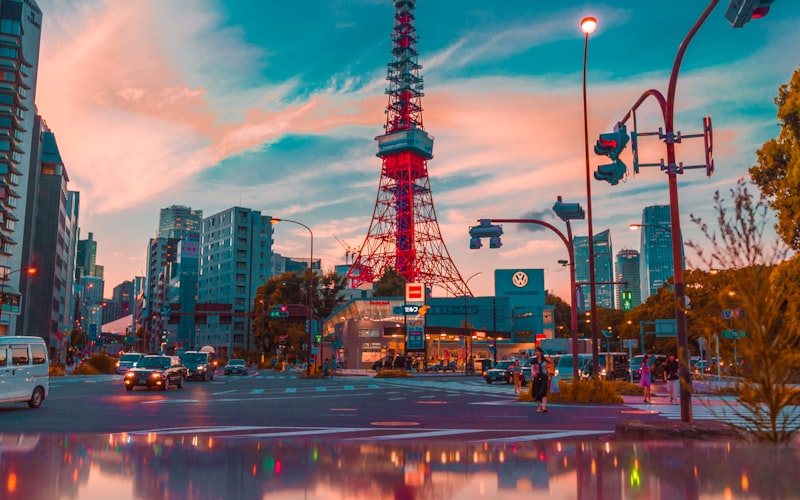
108-strike bell-tolling at midnight (joya-no-kane), a Buddhist tradition representing the 108 worldly desires. Zojoji sits beneath Tokyo Tower lit red and gold for NYE; the queue forms from 22:00 for visitors to strike a bell themselves.
Where
Zojoji Temple, Shiba-koen, Minato
From
Free
Meiji Shrine Hatsumode
Meiji Jingu sees 3 million visitors in the first three days of January for Hatsumode, the New Year shrine visit. The midnight opening on December 31 is the symbolic peak, with the inner gates opening at midnight and queues of 50,000+ wrapping through Yoyogi Park.
Where
Meiji Jingu, Yoyogi-koen-mae
From
Free
Roppongi club packages
ageHa, V2, Maharaja, Atom, and the Roppongi club strip run NYE packages with cover, open bar, and DJs from JPY 8,000 (general entry) to JPY 25,000 (VIP table). Door codes are stricter than Tokyo's normal nights.
Where
Roppongi and Shibuya club strips
From
JPY 8,000-25,000
Tokyo's NYE Is Not Like Other Cities
Tokyo's New Year's Eve is the quietest of any major Asian capital, on purpose. There is no major fireworks display, no central concert, no Times Square-style countdown. The Japanese tradition is the joya-no-kane (the 108-strike Buddhist temple bell-tolling) at midnight followed by Hatsumode, the first shrine visit of the new year. Three million people make their Hatsumode at Meiji Jingu alone in the first three days of January. The midnight opening of the shrine on December 31 is the symbolic peak, with the inner gates opening exactly at midnight and queues of 50,000+ extending through Yoyogi Park.
The Shibuya Crossing crowd is the alternative. Around 100,000 to 200,000 people fill the world's busiest pedestrian intersection from 22:30 onward. There is no formal event; people gather, the lit Q-Front, Tsutaya and 109 billboards play the year-end retrospectives, and at midnight a synchronized cheer goes up. Police channel pedestrians through the surrounding streets to prevent crush incidents. The atmosphere is more raucous than the Japanese norm; expect more drinking and louder behavior than you'll see in Tokyo on any other night of the year. The crowd disperses by 01:30.
The Train Trick
The Tokyo Metro and most JR lines run 24-hour service on December 31 into January 1. This is the only night of the year the trains stay open. Frequencies drop to every 15 to 30 minutes overnight, but every major station is reachable. No need for taxis (which double in price anyway). Plan a route: Shibuya Crossing at 23:30, then Yamanote Line one stop to Harajuku for Meiji Jingu midnight Hatsumode, then transfer for the temple bell-tolling at Sensoji in Asakusa around 02:00, then Yamanote back to Tokyo Station for the first sunrise of the year (the hatsuhinode tradition) at 06:50.
Roppongi and Shibuya Club Scene
For Western-style NYE, Roppongi and Shibuya are the two club zones. V2, Maharaja, ageHa (in Shin-Kiba), and Maistrance run packages from JPY 8,000 general entry to JPY 25,000 VIP table. Shibuya's WOMB, Atom, and SOUND MUSEUM VISION run smaller packages from JPY 6,000. Door codes are enforced more strictly on NYE than other nights; foreigners are typically welcomed at the international-friendly clubs (V2, WOMB, ageHa) but quietly turned away at the locals-only ones. Tickets through Peatix or Resident Advisor.
Practical Tokyo NYE Numbers
Hotel rates run around 2x off-peak. A four-star in Shinjuku or Shibuya at JPY 25,000 in October runs JPY 45,000 to JPY 55,000 for December 31. Book by mid-November; the Tokyo Bay view rooms sell first. December overnight temperatures sit at 4 to 8°C; layered clothing is the practical choice. Convenience store beer (Lawson, FamilyMart, 7-Eleven) at JPY 250 to 400 is the standard pre-club pre-game.
Where to stay in Tokyo during New Year's Eve
Rooms in the core event neighborhoods sell out months ahead and run double the off-peak rate. The map below shows what's still available within walking distance of the action.
See places to stay and current pricesYear-round context for Tokyo
This page covers the event week specifically. For the broader picture, legal framework, nightlife districts, and year-round venues, see the main TDG Tokyo city page and Japan country guide.
Frequently Asked Questions
Affiliate disclosure. Some links on this page lead to Stay22 and other partners. If you book through them we may earn a small commission at no extra cost to you. Editorial choices on this page are not influenced by commissions.