
Areas Worth Visiting
Each neighborhood has its own character
District Map of Marbella
Pick a district to recenter the map and see hotels nearby.
Where to stay in Marbella
Compare hotels and rentals across the city's nightlife districts.
See places to stay and current pricesOverview
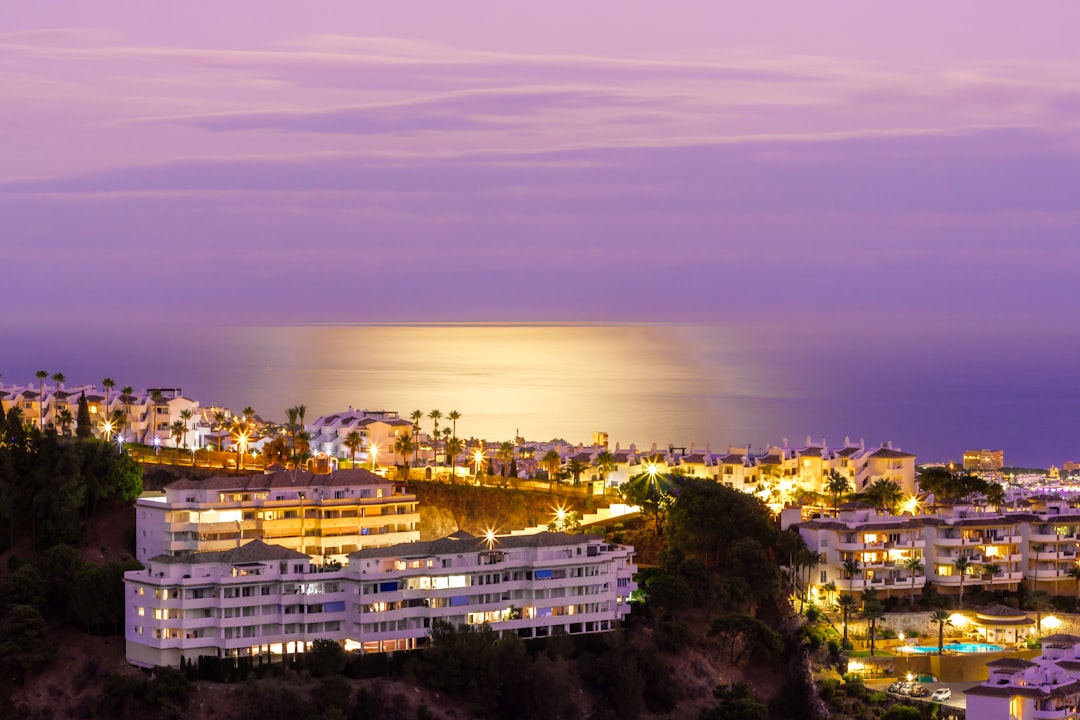
Marbella occupies a specific niche on Spain's nightlife map. While Madrid has variety and Barcelona has culture, Marbella has money. The city and its surroundings on the Costa del Sol have attracted wealthy Europeans, Middle Eastern royalty, and Russian oligarchs since the 1960s, when Prince Alfonso von Hohenlohe opened the Marbella Club Hotel and began inviting his aristocratic friends.
Local contacts verified current conditions for this guide.
Puerto Banus, the luxury marina development 6 kilometers west of the old town, is the epicenter. Built in 1970 by Jose Banus (a Franco-era property developer with excellent political connections), the port was modeled on the harbors of the Italian Riviera. Today it's a display case for superyachts, Lamborghinis, and the people who own them, or want you to think they do. Nightlife here runs on bottle service, VIP tables, and a dress code that requires you to look like you belong.
Marbella's old town (Casco Antiguo) provides an alternative. White-washed streets, orange trees, and small plazas surrounded by tapas bars offer a more traditionally Spanish experience at lower prices. Most visitors end up splitting their time between the old town's charm and Puerto Banus's spectacle.
Adult entertainment in Marbella is discreet but present. The market caters to a wealthy clientele, and services are correspondingly upscale and private. You won't find street-level activity. The trade operates through high-end escort agencies, private introductions, and the social dynamics of the club scene itself.
Legal Context
National Spanish law applies. The lack of specific Marbella municipal ordinances targeting adult entertainment means the industry operates quietly within the gray zone of Spanish law. Marbella's police prioritize organized crime, drug trafficking, and property-related offenses over consensual adult activities.
The Costa del Sol has a documented history as a base for organized crime groups from various countries. This doesn't typically affect tourists directly, but it shapes the area's policing priorities and explains the occasional dramatic headline about arrests in Marbella or nearby towns.
Key Areas
Puerto Banus. The marina and its surrounding streets form Marbella's primary nightlife zone. Clubs, bars, and restaurants line the waterfront and the streets immediately behind it. The front-line restaurants along the port are for seeing and being seen (with prices to match). The second and third rows of streets have clubs and bars that get busy from midnight onward. The atmosphere is aspirational and materialistic; designer labels, expensive cars, and conspicuous consumption are the social currency.
Safety
Marbella is safe for visitors. The wealthy clientele and heavy private security presence at major venues create a controlled environment. Violent crime targeting tourists is extremely rare.
- Property crime at beaches is the most common issue. Don't leave valuables on beach chairs while swimming
- Organized crime on the Costa del Sol is real but operates in circles that don't intersect with tourism. Drug trafficking, money laundering, and property fraud involve people who live here, not people visiting
- Overcharging at venues is a bigger risk than physical crime. Confirm all prices before ordering, especially at clubs with table service
- The roads between Marbella, Puerto Banus, and surrounding towns carry significant drunk-driving risk on weekend nights. Use taxis or ride-hailing exclusively
- Private security at major venues handles most incident response. Police backup is available via 091 (Policia Nacional) or 112
- Hospital Costa del Sol in Marbella provides emergency care. Private clinics catering to international patients are numerous along the coast
Costs and Pricing
Marbella, especially Puerto Banus, is expensive. This is the premium end of the Spanish nightlife market.
Drinks. A beer at a Puerto Banus bar costs EUR 6-10. Cocktails run EUR 15-25. Wine by the glass is EUR 8-15 at port-side venues. In the old town, prices drop noticeably: beer EUR 2.50-4, cocktails EUR 8-12. Pre-gaming before heading to Puerto Banus is standard practice for anyone not on an oligarch's budget.
Club entry. EUR 20-50 at major venues, often including one drink. Guest lists through promoters can reduce or eliminate entry fees on slower nights. VIP tables with bottle service start at EUR 300-500 for a basic package and can reach EUR 5,000+ for premium positions and champagne.
Food. Puerto Banus waterfront restaurants charge EUR 25-50 per person for a meal. A plate of jamon iberico and a glass of wine at a front-row terrace can run EUR 30-40. The old town offers tapas at EUR 3-8 and menu del dia at EUR 10-14. Restaurants on the N-340 highway between Marbella and San Pedro serve local-priced meals (EUR 10-18 per person) that are often better than the tourist-priced versions.
Transport. Taxis between Marbella old town and Puerto Banus cost EUR 10-15. A taxi to Malaga airport runs EUR 65-80. Cabify operates. There's a local bus (Line L-76) connecting Marbella, San Pedro, and Puerto Banus for EUR 1.40, though it stops running around midnight.
Accommodation. Puerto Banus hotels start at EUR 100-200 for mid-range options and climb to EUR 500-2,000+ for luxury properties. The old town has better value: EUR 50-90 for budget, EUR 100-180 for mid-range. Apartments along the Golden Mile (the stretch between Marbella and Puerto Banus) offer good value for groups at EUR 120-250 per night.
Adult entertainment. The market here is high-end. Escort agencies serving the Marbella-Puerto Banus corridor charge EUR 300-1,000+ per engagement. Private arrangements made through the social scene follow similar pricing. This isn't a market for budget travelers.
Social Scene
Puerto Banus nightlife strip. The clubs behind the front row of restaurants are where the nightlife concentrates. Pangea, La Suite, and Linekers Bar are established names. The crowd is heavily international: British, Scandinavian, Middle Eastern, and Russian visitors mix with Spanish party-goers and the Marbella social circuit. Dress codes are enforced. Smart casual at minimum; many venues require collared shirts for men.
Marbella old town. Plaza de los Naranjos (Orange Tree Square) anchors the old town's social scene. Surrounding streets have traditional bars and restaurants where the crowd is more local and relaxed. Prices are 50-60% lower than Puerto Banus. The atmosphere is Mediterranean rather than Monaco.
Beach clubs. Nikki Beach (on the road between Marbella and Puerto Banus), Ocean Club, and Mahiki Beach are daytime-to-evening social scenes with DJ sets, pools, and sunbeds. Entry is free, but minimum spends on food and drinks (EUR 50-100 per person) apply at the better spots. Beach clubs are where Marbella's social scene starts; many evenings begin here before moving to clubs.
Golf culture. Marbella has over 40 golf courses within a 30-minute drive. The clubhouses serve as social hubs, particularly for the older, wealthier demographic. If golf is your thing, it's one of the easier ways to build connections here.
The permanent international community is substantial. Facebook groups like Marbella Social and Costa del Sol Expats organize regular meetups. InterNations holds monthly events. The community includes long-term residents, seasonal workers in hospitality, and a growing number of remote workers who've relocated for the climate and lifestyle.
Local Dating Notes
Marbella's dating scene reflects its demographics: international, wealth-conscious, and seasonal. During summer, the population swells with visitors and seasonal workers, and the dating dynamics shift toward short-term connections. The rest of the year, the community is smaller and more relationship-oriented.
Tinder and Bumble are the primary apps. Profiles here tend to feature more glamour shots and lifestyle photos than on the mainland. The line between genuine dating interest and social climbing can be hard to read in a place where status and money dominate social dynamics.
Spanish helps in the old town and with locals, but Marbella's international character means English, Russian, Arabic, and Scandinavian languages are common in the Puerto Banus circuit.
Scam Warnings
Table service bill inflation. Some clubs add charges that weren't discussed upfront: service fees, "premium" bottle surcharges, or extra mixers at EUR 10-15 each. Confirm the total package price before agreeing to a table, and review the bill carefully before paying.
Promoter promises. Promoters on the street offer "free entry" or "VIP tables at a discount." Some deliver, others lead you to venues where the deal evaporates once you're inside. Verify promoter offers through the venue's official channels.
Rental car break-ins. The coastal parking areas between Marbella and Puerto Banus see regular break-ins. Never leave valuables visible in a parked car.
Property and investment scams. This is more relevant for long-stay visitors or potential residents, but the Costa del Sol has a long history of property fraud. Don't invest in anything without independent legal counsel.
Best Times
- June and September offer the best balance. The weather is excellent, major venues are open, and prices haven't hit their July-August peak
- Starlite festival (August) is Marbella's marquee cultural event, with major international performers playing an outdoor auditorium carved into a mountain quarry. Past acts include Tom Jones, Andrea Bocelli, and Ricky Martin
- July-August is peak season. Maximum crowds, maximum prices, maximum energy. Reservations are needed for everything
- Easter week brings the first wave of seasonal activity. Beach clubs open, restaurants extend hours, and the social season kicks off
- November-March is quiet. Many Puerto Banus venues close or operate on reduced schedules. The old town stays functional year-round, but the nightlife is limited. Winter temperatures remain mild (12-18°C)
Getting Around
- Taxis: Available at stands in the old town and Puerto Banus. Metered and generally honest. Night rates apply after 10 PM
- Cabify: Available and reliable along the Costa del Sol
- Local buses: Line L-76 connects key points. EUR 1.40 per ride. Stops running around midnight
- Walking: The old town is compact and walkable. Puerto Banus is walkable internally. Between the two (6 km), you need transport
- Car rental: Useful for exploring the Costa del Sol during the day but a liability at night (DUI enforcement, parking scarcity, break-in risk)
- Transfer to Malaga airport: 50-60 minutes by car. Private transfers run EUR 65-80. The Malaga-Fuengirola commuter train doesn't reach Marbella; it stops at Fuengirola (30 km east)
What Not to Do
- Do not underestimate Puerto Banus prices. Check prices before ordering anything, and agree on table service packages in writing if possible
- Do not dress casually for Puerto Banus clubs. Dress codes are enforced, and showing up in shorts and sandals means getting turned away
- Do not leave valuables in your car. Break-ins are a known problem
- Do not flash excessive cash or expensive watches in public. Marbella is safe, but conspicuous displays attract the wrong attention
- Do not drive between nightlife venues. The coastal roads carry significant drunk-driving risk, and police set up checkpoints on weekend nights
- Do not eat exclusively at Puerto Banus waterfront restaurants. Walk three blocks inland or drive 10 minutes to San Pedro for identical food at half the price
- Do not assume everyone in Marbella is wealthy. The social scene runs on appearance, and the gap between presentation and reality can be wide
Get the Legal Status PDF, 50 countries
Newsletter signup coming soon. Check back shortly.
Flights to Marbella
Compare prices across airlines. Filter by stops, time, and cabin.
Airport transfer to Marbella
Pre-booked transfers cost about the same as a metered taxi but cut out the airport queue, the meter argument, and the "no English" routine that takes some drivers to the wrong address. Fixed price quoted before booking, driver tracks your flight, waits with a name sign at arrivals.
Book a KiwiTaxi transferFrequently Asked Questions
Was this guide helpful?