Timog Avenue
Illegal but Tolerated2/5RiskyGuide to Timog Avenue in Quezon City, Metro Manila's locally oriented entertainment strip with KTV bars, comedy clubs, and nightlife for Filipino crowds.

Where to stay near Timog Avenue
Hotels walking distance from the venues on this page.
See places to stay and current pricesTop Spots for a Night Out
What's open and worth your time
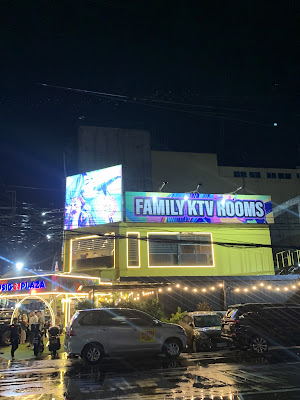
Music 21
Popular KTV bar on Timog with private rooms of various sizes and a full bar menu. Group bookings are common on weekends, so reservations help.
Timog Avenue, Quezon City
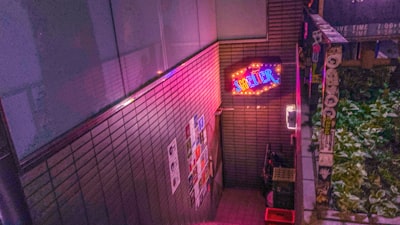
Centerstage
Large KTV complex with themed rooms and a main lounge area. Caters to office groups and birthday celebrations with drink-and-room packages.
Timog Avenue, Quezon City
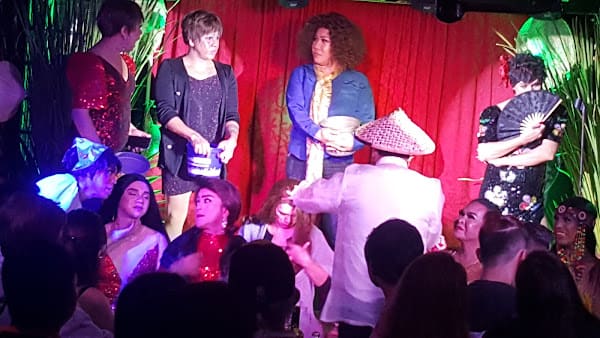
Red Box Karaoke
Chain KTV with modern sound systems and a massive song library covering OPM, K-pop, and Western hits. Clean, well-maintained rooms.
Timog Avenue, Quezon City
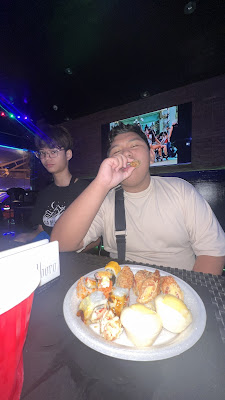
Decades
KTV bar with a retro theme and private rooms that seat up to 15 people. Drink packages include a room for two hours and a bucket of beer.
Today x Future
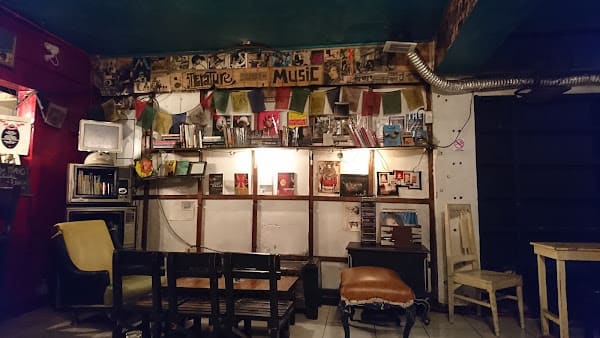
Art bar and event space hosting DJ sets, album launches, and spoken word nights. Draws the Quezon City creative crowd with craft beer and local spirits.
Laffline Comedy Bar
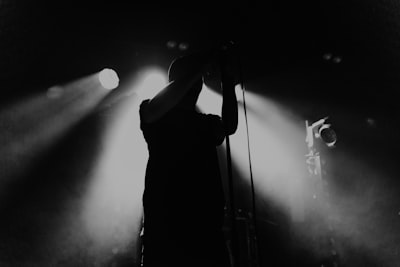
Long-running comedy bar at the corner of Timog and Mother Ignacia Street. Rotating Filipino comedians perform nightly in Tagalog to packed weekend crowds.
Timog Avenue corner Mother Ignacia Street, Quezon City
Klownz Comedy Bar
Comedy and variety show venue near Timog with stand-up acts and musical performances. Popular for birthday celebrations and office parties.
Tomas Morato Avenue, Quezon City
Cable Car Timog
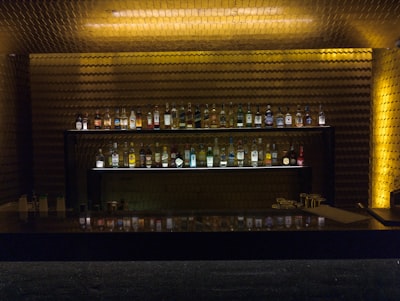
Pub-style bar in CKB Center on Tomas Morato that has operated since 1992. Beer pong, live music, and cocktail promos draw a younger Filipino crowd.
CKB Center, Tomas Morato Avenue, Quezon City
Pier 39 KTV Bar
Budget KTV with rooms starting below 200 PHP per person. Basic sound systems and a straightforward drink menu keep costs low for casual karaoke sessions.
Timog Avenue, Quezon City
Zirkoh
Comedy and music bar near Tomas Morato with KTV rooms on the upper floor. Combines stand-up comedy shows with private karaoke for a flexible night out.
Tomas Morato Avenue, Quezon City
Overview and Location
Timog Avenue is a four-lane road running east-west through the South Triangle neighborhood of Quezon City, the largest city by area in Metro Manila. The street intersects with Tomas Morato Avenue, and together these two roads form the core of Quezon City's entertainment district. The area sits about 8 kilometers north of Makati, reachable by MRT via Quezon Avenue Station or by Grab in 30-60 minutes depending on traffic.
This guide is based on multiple evenings spent in Timog Avenue.
This is not a tourist nightlife zone. Timog Avenue's bars, KTV lounges, comedy clubs, and restaurants serve a predominantly Filipino clientele. Foreign visitors are uncommon, and the entertainment format reflects local tastes. The area is known for its comedy bars, where Filipino stand-up comedians perform nightly, and for its KTV culture, which runs deeper here than in the tourist-oriented districts of Makati or Angeles City.
The energy is different from what you'll find on P. Burgos Street or Fields Avenue. It's louder, more chaotic, and more authentically Filipino. Prices are significantly lower. The trade-off is that English is less consistently spoken, the venues assume familiarity with local norms, and you won't find the same level of tourist infrastructure.
Legal Status
The same Philippine laws that apply across Metro Manila apply on Timog Avenue. Prostitution is illegal under the Revised Penal Code, and the Anti-Trafficking in Persons Act carries severe penalties. Quezon City's entertainment venues are licensed as bars, KTV lounges, restaurants, and performance spaces.
The KTV scene on Timog Avenue is more complex than the go-go bar model common in tourist areas. Some KTV establishments are genuinely family-oriented, offering private karaoke rooms without hostess services. Others operate adult-oriented KTV lounges where hostesses accompany guests, drinks flow freely, and the social dynamics are similar to what exists in Ermita or Malate. The distinction between these two types isn't always obvious from the outside.
Quezon City's local government conducts its own enforcement independently from Manila proper. The Timog Avenue area has been subject to noise complaints, licensing disputes, and periodic anti-vice campaigns. Because the clientele is predominantly local, political pressure around the area's entertainment scene is driven by Filipino community concerns rather than international attention.
Costs and Pricing
Timog Avenue is one of the cheapest entertainment areas in Metro Manila. Prices reflect the local Filipino market rather than the tourist-adjusted rates found in Makati.
KTV rooms are the primary entertainment format. Family-oriented KTV venues like Music 21 Plaza and Karaoke Republic charge 80-200 PHP per person per hour on a non-consumable basis, meaning you pay the room rate and food or drinks are extra. Adult-oriented KTV lounges with hostess services charge higher room rates of 500-1,500 PHP per hour, with hostess companionship fees of 500-1,000 PHP per hostess per session. Drinks inside KTV rooms are marked up but still cheaper than Makati equivalents, with beer at 80-120 PHP and cocktails at 150-250 PHP.
Comedy bars charge entrance fees of 250-350 PHP depending on the night. Laffline Comedy Bar, at the corner of Timog Avenue and Mother Ignacia Street, charges 250 PHP on weeknights and 300-350 PHP on weekends. The entrance fee usually includes one drink. The New MusicBox, operating since 1984, offers a similar format at comparable prices. Zirkoh Comedy and Music Bar near Tomas Morato has KTV rooms in addition to its comedy shows. These venues serve as genuine entertainment, not a front for anything else, and many Filipinos visit them for the comedy alone.
Beer costs 60-100 PHP at most bars and restaurants. San Miguel Pale Pilsen and Red Horse are the standard choices. Some bars run promotions with bucket deals of five bottles for 200-300 PHP. Premium imports and craft beer cost 120-200 PHP where available.
Food along Timog Avenue and Tomas Morato is excellent and cheap. Filipino restaurants serve dishes like sisig, kare-kare, and lechon kawali for 120-250 PHP per dish. Korean and Japanese restaurants in the area charge 200-400 PHP per person. Fast food chains are everywhere, with meals costing 80-150 PHP. Late-night food stalls and carinderias keep the area fed well past midnight.
Transport to and from Timog Avenue is straightforward. Grab from Makati costs 150-300 PHP depending on traffic and surge pricing. The MRT Quezon Avenue Station is the nearest rail stop, about a 5-minute tricycle ride from the heart of the Timog strip. Tricycles within the area cost 20-50 PHP.
Street-Level Detail
Timog Avenue runs from the Quezon Memorial Circle area eastward, crossing Tomas Morato Avenue at its busiest intersection. The entertainment venues are concentrated along a roughly one-kilometer stretch between Scout Borromeo Street and Mother Ignacia Street. The parallel Tomas Morato Avenue adds dozens of restaurants, bars, and cafes to the area, and most visitors move between the two streets during an evening.
The comedy bars are Timog's signature attraction. Laffline has been a local institution for years, featuring a rotating cast of Filipino comedians who perform nightly. The humor is fast, often crude, and almost entirely in Tagalog with some English mixed in. If your Tagalog is limited, you'll miss a lot of the material, but the energy in the room is infectious regardless. Klownz Comedy Bar offers a similar format nearby. These venues are packed on weekends and draw Filipino groups celebrating birthdays, office parties, and nights out.
The KTV lounges range from wholesome family karaoke spots to adult-oriented venues. Music 21 Plaza, at 27 Timog Avenue, is a family-oriented three-story KTV with 21 private rooms. Pier 39 KTV Bar offers budget rooms in the sub-200 PHP range. At the other end of the spectrum, some KTV lounges along the side streets operate with hostess services and a more adult atmosphere. The distinction matters, and asking before you commit to a room will save confusion.
Cable Car Timog, located at CKB Center on Tomas Morato, has operated since 1992. It's a pub-style bar with live music, beer pong, and cocktail promotions. It draws a younger Filipino crowd and has no entertainment industry connection. Publiq Gastrobar, a rooftop venue in the Mother Ignacia-Timog area, serves cocktails and food with city views. Newer additions like Lust Nightclub PH cater to a clubbing crowd.
The overall feel is a working nightlife district for Manila residents. Groups of friends, couples on dates, office workers blowing off steam, and families at the karaoke spots all share the same streets. It's chaotic, noisy, and real in a way that the curated tourist zones in Makati are not.
Safety
Timog Avenue is a busy urban commercial strip with the standard safety profile of a working-class Manila neighborhood. It's not specifically dangerous, but the usual Metro Manila precautions apply with extra weight because you're off the tourist trail.
The streets are crowded at night, which is both good and bad. Crowds provide some safety in numbers, but they also provide cover for pickpockets and phone snatchers. Keep your valuables secure and don't pull out your phone on the sidewalk unnecessarily. Use Grab rather than walking long distances, especially after midnight when the crowds thin out.
As a foreigner in an area that doesn't see many foreign visitors, you'll attract attention. Most of it will be curiosity or friendliness. Some of it may be opportunistic. Don't flash cash or expensive electronics. Be aware that your presence in certain types of KTV venues may draw assumptions, and conduct yourself accordingly.
The comedy bars and mainstream restaurants along Timog and Tomas Morato are safe, well-lit, and full of Filipino families and groups. Stick to established venues, and you'll have a standard night out in Manila. The side streets between Timog and Scout Borromeo are less well-lit and less crowded.
Cultural Context
Timog Avenue's entertainment scene is built for Filipinos, not foreign visitors. Understanding this distinction is important. The comedy bars perform in Tagalog. The KTV song lists lean heavily toward OPM (Original Pilipino Music) and Korean pop alongside English hits. The social dynamics in adult-oriented KTV lounges follow Filipino norms rather than the foreigner-oriented protocols of P. Burgos Street or Fields Avenue.
Karaoke is not just an industry mechanism in the Philippines. It's a genuine cultural institution. Filipinos sing with remarkable skill and passion, and KTV nights are a normal social activity for families, friend groups, and colleagues. Singing well earns genuine respect. Singing badly but with enthusiasm earns goodwill. Refusing to sing may seem standoffish.
If you visit adult-oriented KTV venues, the hostess system works similarly to other Philippine entertainment districts but with a more local flavor. Prices are lower, the interaction is less transactional, and the expectation is that you'll socialize and sing rather than rush through to a transaction. Workers here deal primarily with Filipino customers, and the dynamic is different from venues accustomed to foreign clientele.
Tipping is appreciated but not as standardized as in tourist areas. In comedy bars, 50-100 PHP tips to performers are common. In KTV lounges, tipping hostesses 200-500 PHP is standard if you've had a good time.
Scam Warnings
The "VIP room" upsell: A tout or employee outside a KTV bar offers you a great room at a low price. Once you're inside, you're told the room is unavailable and redirected to a "VIP room" at two to three times the quoted rate. Drinks are then priced at premium levels. Confirm the exact room, the hourly rate, and the drink prices before sitting down. If anything changes from what was promised, leave immediately.
The language barrier markup: At venues where English isn't commonly spoken, prices quoted verbally to a foreigner may be higher than what local customers pay. This isn't universal, but it happens. If possible, ask to see a menu or price list. Having a Filipino friend or acquaintance along eliminates this issue.
The ride-hailing surge trap: Late at night, Grab surge pricing around Timog Avenue can spike significantly when the bars close and everyone tries to leave at once. Check the fare estimate before booking. If the surge is extreme, wait 15-20 minutes for it to settle, or walk to a nearby main road like EDSA where regular metered taxis are available.
Nearby Areas
Tomas Morato Avenue runs parallel to Timog and is packed with restaurants, bars, and cafes. It's more dining-oriented than Timog's entertainment focus. The two streets together form the core of Quezon City's nightlife zone, and most visitors move between them freely.
Eastwood City, about 15 minutes east by Grab, is a self-contained development with its own bars, restaurants, and walk. It's popular with younger Filipinos and has a more modern, curated feel than the Timog strip.
Quezon Memorial Circle is nearby and offers a green space for daytime walks. SM North EDSA, one of the largest malls in the Philippines, is about 10 minutes west and serves as a commercial hub for the northern part of Metro Manila.
Meeting People Nearby
Timog Avenue and Tomas Morato offer genuine social venues that have nothing to do with the entertainment industry. The restaurants and cafes along Tomas Morato are popular date spots for Manila's young professional crowd. Coffee shops and fast food chains in the area serve as standard meeting points. Dating apps work throughout Metro Manila, and matches in the Quezon City area will be predominantly local Filipinos rather than the mixed crowd you'd encounter in Makati. For a complete overview of Manila's social and dating options, see the main Manila city guide.
Best Times
- 7 PM to 9 PM: Restaurants fill up, comedy bars begin their first shows, KTV rooms start booking
- 9 PM to midnight: Peak hours along the strip, comedy shows in full swing, bars at their busiest
- Midnight to 2 AM: Late-night crowd, some venues close, others keep going until 3-4 AM
- Friday and Saturday: The busiest nights by a wide margin, especially at comedy bars
- Thursday: A popular night out for office workers and groups, nearly as busy as weekends
- Monday through Wednesday: Much quieter, and some smaller bars may not open
- December: The biggest month, with Christmas parties and group celebrations filling every venue
What Not to Do
- Do not expect English to be spoken at all venues; some Tagalog helps, or bring a Filipino companion
- Do not walk long distances on side streets after midnight; use Grab or a tricycle
- Do not flash expensive electronics or large amounts of cash; you'll stand out as a foreigner in this local area
- Do not refuse to sing at KTV; at least make an effort, as it's considered rude to sit silently
- Do not assume all KTV bars are the same; confirm whether a venue is family-oriented or adult-oriented before committing
- Do not lose track of your spending in KTV rooms; count drinks and confirm prices upfront
- Do not engage with anyone who appears underage; Philippine law enforcement is active on this issue
- Do not get confrontational in disputes; the "hiya" principle means aggression will turn everyone in the room against you
Get the Legal Status PDF, 50 countries
Newsletter signup coming soon. Check back shortly.
Related Guides
Manila Overview
City guide to adult nightlife in Manila, covering key areas, safety warnings, scam awareness, and cultural context.
Read guideErmita
Guide to Ermita district in Manila, a historic entertainment area near Mabini Street and Robinson's Place, with KTV bars, budget venues, and safety tips.
Read guideMalate
Guide to the Malate entertainment district in Manila, with bars, KTVs, and freelancer venues along M.H. Del Pilar and Remedios Circle.
Read guideP. Burgos Street
Guide to P. Burgos Street in Makati, Manila's main entertainment district for international visitors, with go-go bars, KTVs, and safety advice.
Read guideFrequently Asked Questions
Was this guide helpful?