Ikeja
Illegal but Tolerated2/5RiskyDistrict guide to Ikeja and Allen Avenue in Lagos, the mainland nightlife strip with local clubs, Afrobeats venues, and a raw energy distinct from the Island scene.

Where to stay near Ikeja
Hotels walking distance from the venues on this page.
See places to stay and current pricesBars and Clubs Worth Checking
Reviewed and rated by our team
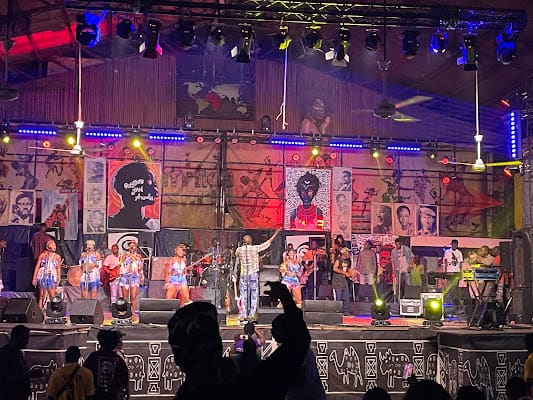
The New Afrika Shrine
Cultural landmark built by Femi Kuti, son of Afrobeat pioneer Fela Kuti. Live performances, cheap beer, and an authentically Nigerian atmosphere. Sunday nights are legendary.
1 NERDC Road, Agidingbi, Ikeja, Lagos
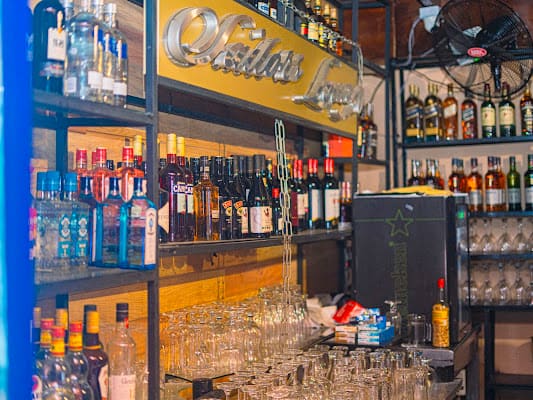
Sailors Lounge
Popular Ikeja lounge with a relaxed atmosphere, hookah service, and a mixed crowd of professionals and nightlife regulars.
Allen Avenue, Ikeja, Lagos
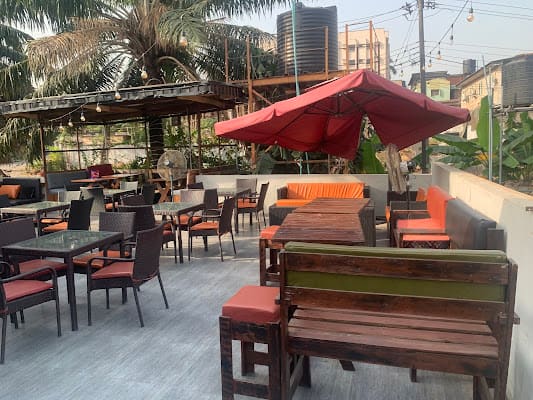
Play Lounge
Multi-level club on Allen Avenue with Afrobeats, hip-hop, and a young crowd. Bottle service available with a more accessible price point than Island clubs.
Allen Avenue, Ikeja, Lagos
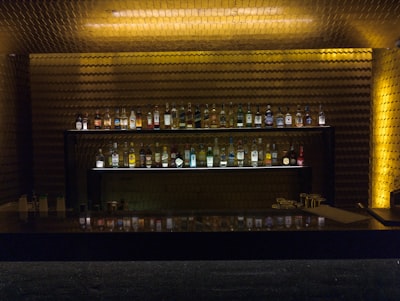
Pitstop Bar
Casual outdoor bar and grill with big screens for football matches. Popular pre-game spot before hitting the clubs.
Allen Avenue, Ikeja, Lagos
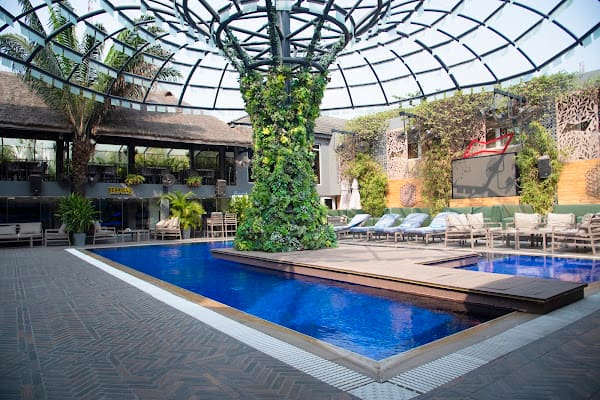
Blowfish Hotel Bar
Hotel bar with a chilled atmosphere, cocktails, and a crowd that skews toward hospitality industry workers and Ikeja professionals.
17 Olu Koleosho Street, off Medical Road, Ikeja, Lagos
Overview and Location
Ikeja is the capital of Lagos State, sitting on the mainland across the Third Mainland Bridge from Victoria Island. The neighborhood centers around Allen Avenue, a commercial strip that transforms after dark into one of Lagos's most active nightlife corridors. Where Victoria Island caters to the city's elite and international visitors, Ikeja serves Lagos's mainstream: young professionals, students, creative industry workers, and anyone looking for a good time without the Island's price tag.
This guide is based on multiple evenings spent in Ikeja.
The cultural significance of Ikeja in Nigerian nightlife history is anchored by the New Afrika Shrine, the performance space built by Femi Kuti to continue the musical and social legacy of his father, Fela Kuti. The original Shrine in the Surulere neighborhood was the birthplace of Afrobeat and a symbol of resistance against military rule. The new Ikeja location carries that spirit forward with live music, political consciousness, and cheap beer.
Legal Status
The same Nigerian legal framework applies here as across Lagos, with even less enforcement than on Victoria Island. Ikeja's nightlife operates with minimal police interference in the venues themselves. Police checkpoints on the roads, however, are common. Officers may stop vehicles, check documentation, and seek informal payments. This is a standard part of Lagos driving, not a targeted nightlife concern.
Allen Avenue's bars and clubs operate through a combination of licensing and informal arrangements. The practical reality is that venues stay open as long as they maintain reasonable order and manage their local relationships. Closing times are flexible, with some venues running until 4-5 AM on weekends.
Costs and Pricing
Ikeja is significantly cheaper than Victoria Island:
- Beer (Star, Gulder, 33): NGN 1,500-3,000 ($1-2 USD)
- Cocktails: NGN 3,000-6,000 ($2-4.50 USD)
- Club entry: Free to NGN 5,000 ($0-4 USD)
- Bottle service: NGN 50,000-200,000 ($37-150 USD)
- Hookah (shisha): NGN 3,000-5,000 ($2-4 USD)
- Suya (grilled meat) from street vendors: NGN 500-2,000 ($0.50-1.50 USD)
- Uber/Bolt ride from VI to Ikeja: NGN 5,000-10,000 ($4-8 USD), traffic dependent
Cash is more commonly needed here than on VI. ATMs are available along Allen Avenue, but carry enough cash for the evening to avoid late-night ATM visits.
Street-Level Detail
Allen Avenue on a Saturday night is a sensory experience. The avenue is lined with venues of varying sizes and quality, their music competing for attention through open doors and windows. Generators hum behind buildings (power cuts are routine), and the smell of suya grilling at roadside stands mixes with perfume and diesel exhaust.
The crowd spills out of venues onto the street. Groups congregate around parked cars, drinks in hand, previewing the night's options before committing to a venue. The music is predominantly Afrobeats and Amapiano (a South African genre that's taken over Nigerian dance floors), with bass frequencies you feel in your chest before you enter any club.
The atmosphere is less curated than Victoria Island. There's no velvet rope pretension, no dress code beyond looking presentable, and no champagne shower competition. Ikeja nightlife is about dancing, socializing, and being present in the moment. The energy comes from the crowd rather than the production.
The New Afrika Shrine stands apart from the Allen Avenue club scene. The open-air venue has a deliberately rough aesthetic: concrete floors, basic seating, and a stage that hosts some of the most important live music in West Africa. Sunday nights (Femi Kuti's regular slot) draw crowds that include music journalists, cultural tourists, and dedicated fans. The Shrine sells cheap beer and charges minimal entry; the experience is the point, not the bottle service.
Safety
Ikeja requires more safety awareness than Victoria Island:
- Allen Avenue is busier and less controlled than VI's nightlife zones
- Street crime (phone snatching, pickpocketing) is more common on the mainland
- Police checkpoints are frequent on surrounding roads; carry ID and remain calm
- Area boys (informal neighborhood enforcers) may approach parked cars or pedestrians seeking money; small amounts (NGN 200-500) usually resolve these interactions
- The area north of Allen Avenue becomes less safe after dark; stay within the main strip
- Uber and Bolt operate here but may have longer wait times than on VI
Specific precautions:
- Go with a local companion if possible, especially on your first visit
- Keep your phone out of sight when on the street
- Don't wear expensive watches or jewelry
- Have your transport arranged before you leave the venue
- The Shrine neighborhood (Agidingbi) is fine on event nights but should be navigated by car, not foot
Police checkpoint extortion: Officers at nighttime checkpoints may demand to search your phone, looking for "incriminating" content they can use to leverage a bribe. Keep your phone locked, be polite, ask for badge numbers, and if money is demanded, negotiate calmly. Having your hotel or embassy contact information visible can help. Don't carry anything on your phone you wouldn't want examined.
Cultural Norms
Ikeja's nightlife is more authentically Nigerian than VI's international-inflected scene:
- The crowd is local; being a foreign visitor makes you stand out
- Nigerians will likely approach you out of genuine curiosity and friendliness
- Buy drinks for people you're talking with; generosity is valued
- Dance; sitting at the side watching is less accepted here than in Western clubs
- The music is Nigerian and West African; showing appreciation for it connects you with the crowd
- Pidgin English is common; "How far?" (what's up?) and "I dey" (I'm good) go a long way
- Don't be dismissive of the venues or compare them unfavorably to Island clubs in front of locals
- "Aso ebi" (coordinated outfits) at weekend events signal private parties; ask before joining
Practical Information
Getting there: Uber or Bolt from Victoria Island takes 30-90 minutes depending on traffic (the Third Mainland Bridge is a notorious bottleneck). From domestic airport (Murtala Muhammed), Ikeja is a 15-20 minute drive. Allen Avenue is the main landmark; tell your driver which specific venue you're heading to.
Best times: Friday and Saturday nights, with activity starting around 10 PM and peaking between midnight and 2 AM. The New Afrika Shrine's Sunday night sessions start around 8 PM and run until midnight. December (Detty December) brings the biggest crowds.
The Shrine experience: Arrive by 7 PM on Sunday to get good positioning. Buy tickets at the door (NGN 2,000-5,000 depending on the event). Beer and palm wine are the standard drinks. The show typically starts around 8 PM. Femi Kuti or guest artists perform to a crowd that dances, sings along, and participates in the political commentary that's been part of the Shrine tradition since Fela's era.
Food: Suya (spiced grilled meat on skewers) vendors along Allen Avenue are a Lagos institution. Point and eat; the meat is prepared fresh on charcoal grills. Pounded yam and pepper soup at local "bukas" (informal restaurants) provide a more substantial late-night meal. Street food is generally safe from busy vendors with high turnover.
Transportation tip: If you're staying on the Island and visiting Ikeja for a night out, consider booking a driver for the round trip rather than relying on Uber at 3 AM when surge pricing and availability can be challenging.
Get the Legal Status PDF, 50 countries
Newsletter signup coming soon. Check back shortly.
Frequently Asked Questions
Related Guides
Lagos Overview
City guide to nightlife in Lagos, covering Victoria Island's elite clubs, Ikeja's raw energy, safety protocols, and navigating Africa's largest party city.
Read guideVictoria Island
District guide to Victoria Island and Lekki in Lagos, covering elite nightclubs, cocktail lounges, and navigating West Africa's most energetic nightlife scene.
Read guideWas this guide helpful?