Doubletstraat
Legal & Regulated3/5ModerateDistrict guide to the Doubletstraat and Geleenstraat window prostitution area in The Hague, the city's main red-light district.

Where to stay near Doubletstraat
Hotels walking distance from the venues on this page.
See places to stay and current pricesAfter Dark
Sorted by rating and popularity
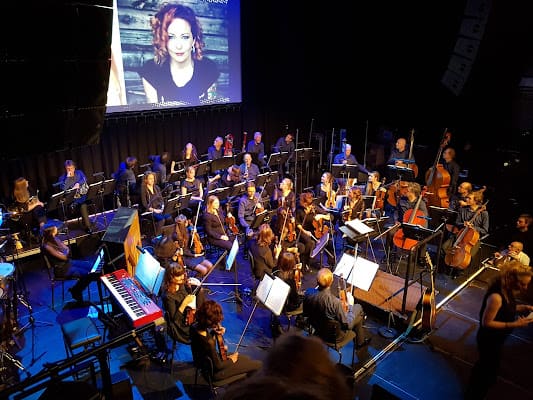
Paard
The Hague's main live music and club venue. Hosts bands, DJs, and themed dance nights across two floors. Cover varies by event, typically 10-20 EUR.
Prinsegracht 12
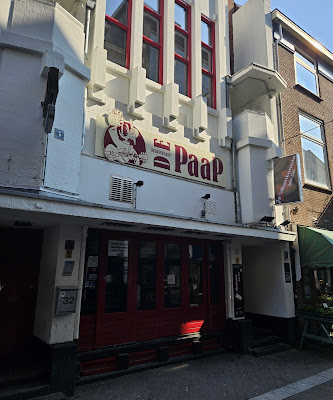
De Paap
Popular bar in the city center with a good beer selection and a dance floor that fills up on weekends. Regular DJ sets from Thursday through Saturday.
Papestraat 32
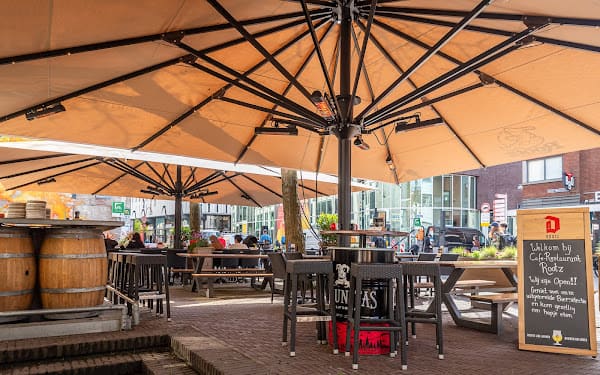
Rootz Club
Hip-hop and R&B club nights in central The Hague. Young crowd, dress code enforced. Cover 10-15 EUR on weekends.
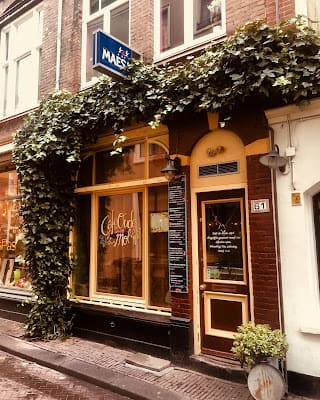
Cafe de Oude Mol
Classic Dutch brown cafe near the Binnenhof. Good for an early evening beer. Quiet weekday evenings, louder on weekends.
Oude Molstraat 61
Overview and Location
The Doubletstraat window area is The Hague's red-light district, located in the Schilderswijk neighborhood about 1.5 kilometers south of the Dutch parliament buildings. The name is slightly misleading: the windows actually spread across three connected streets, Geleenstraat, Hunsestraat, and Doubletstraat, but locals and visitors use "Doubletstraat" as shorthand for the whole area.
Our researcher spent several nights in this area compiling notes.
The Schilderswijk is one of the most densely populated neighborhoods in the Netherlands and one of the most diverse. Turkish, Moroccan, and Surinamese communities have deep roots here. Grocery shops sell halal meat. Tea houses serve mint tea on the sidewalk. The red-light windows exist within this setting rather than apart from it.
With roughly 150 licensed window spaces, this is the second-largest window prostitution area in the Netherlands after Amsterdam's De Wallen. It draws almost no international tourists, making the character entirely different from Amsterdam's heavily visited canals.
Street-Level Detail
Geleenstraat has the highest density of window units. Both sides of the street are lined with glass-fronted rooms, lit in red and pink. The street is wider than De Wallen's narrow alleys, which gives it a more open, less claustrophobic feeling. On a busy evening, you can walk through comfortably without brushing shoulders with other pedestrians.
Hunsestraat connects to Geleenstraat at its southern end and has a smaller cluster of windows. It's quieter and sees less foot traffic.
Doubletstraat runs roughly parallel to Geleenstraat. It has window units mixed with some indoor establishments and residential buildings. The transition between the window zone and ordinary neighborhood housing happens gradually rather than at a hard boundary.
The overall area is compact. Walking from one end to the other takes about 10 minutes at a normal pace. The streets are straight and flat, with good sightlines in both directions. There are no winding medieval alleys like in Amsterdam.
A few small cafes and snack bars sit at the edges of the window zone, catering to visitors and neighborhood residents alike. Don't expect the full tourist infrastructure of De Wallen. There are no sex shops, no peep shows, and no museums about the area's history.
How It Works
The window system follows the same model found throughout the Netherlands. Workers rent window spaces from building operators who hold municipal licenses. They sit behind glass doors illuminated by colored lights, visible from the street. Red or pink lighting is standard.
If you're interested, approach the door and knock. The worker opens the door for a brief conversation about services and pricing. If you agree on terms, you step inside, the curtain closes, and the session takes place in the room behind the window. Payment is in cash, handed over before services begin.
Sessions typically run 15 to 20 minutes. Some workers offer longer sessions at higher rates. All terms are set by the worker and stated clearly. If a worker isn't interested in taking a client, she'll indicate this by shaking her head or not opening the door. Move on without argument.
Pricing
Prices in The Hague's window area are slightly lower than Amsterdam's, reflecting the less touristy market. A standard session of 15 to 20 minutes costs EUR 50 to 80. The most common starting rate is EUR 50, though some workers charge EUR 60 or 70 depending on the time and day.
Cash is the only accepted payment method at the windows. ATMs are available on the surrounding streets, but it's better to arrive with cash rather than using an unfamiliar machine after dark.
Safety
The window streets have CCTV cameras and regular police patrols. The municipality takes monitoring seriously, and the concentrated layout of three short streets makes effective surveillance straightforward. Violent crime on the window streets themselves is uncommon.
The surrounding neighborhood requires more awareness. The Schilderswijk is safe during the day and on populated streets at night, but some side streets are less well-lit and quieter after midnight. Practical advice:
- Stay on the main window streets and well-trafficked routes
- Keep valuables out of sight. Don't wave your phone around while walking
- If you're leaving the area late at night, use a taxi or ride-hailing service rather than walking through unfamiliar residential streets
- Groups of young men sometimes gather at the edges of the area. They're generally harmless but can be intimidating if you're unfamiliar with the neighborhood
- Emergency number is 112. Police response times in The Hague are good
The safety rating of 3 reflects the neighborhood context rather than the window streets specifically. The windows themselves operate in a controlled, monitored environment. The lower score accounts for the surrounding area being rougher around the edges than Amsterdam's tourist-polished canal district.
Cultural Context
This isn't a tourist destination. The people visiting the windows are mostly Dutch, with some Belgians and Germans. English works for basic communication with the workers, many of whom come from Eastern Europe or Latin America, but you'll hear more Dutch and Turkish in the surrounding streets than English.
The neighborhood has a complicated relationship with the window district. Some residents consider it part of the area's identity. Others resent the foot traffic it brings. The municipality has brokered this tension through regulation and community engagement, but it's a live issue. Visitors who behave disrespectfully, being loud, photographing residents, treating the neighborhood like a spectacle, don't help matters.
Approach with the understanding that you're a guest in someone's neighborhood. The workers are professionals conducting legal business. The residents around them are going about their lives. Both deserve your respect.
Best Times
- Weekday evenings, 8 PM to midnight: Quieter, more windows available, less competition for workers' attention
- Friday and Saturday nights, 9 PM to 1 AM: Busiest periods with the most windows active
- Afternoon: Some windows open as early as noon, but the majority of activity starts in the evening
- Ramadan: The neighborhood is home to a large Muslim population. During Ramadan, the streets around the window area may be quieter during daytime but busy after iftar (the evening meal)
What Not to Do
- Do not photograph or film workers. This is non-negotiable across all Dutch window areas
- Do not loiter or stand in groups on the window streets. Walk through, stop briefly if you're interested, then keep moving
- Do not haggle over prices. The rate is the rate
- Do not drink excessively before visiting. Workers can and will refuse intoxicated clients
- Do not wander off the main window streets into residential side streets looking for more windows. The area is defined and contained
- Do not make comments about the neighborhood, its residents, or its cultural character. You're a visitor, not a commentator
- Do not engage with anyone offering services on side streets or from vehicles. Licensed sex work happens in the windows, not on the street
Get the Legal Status PDF, 50 countries
Newsletter signup coming soon. Check back shortly.
Frequently Asked Questions
Was this guide helpful?