
Where the Nightlife Is
Tap a district for venues, prices, and safety info
District Map of Windhoek
Pick a district to recenter the map and see hotels nearby.
Where to stay in Windhoek
Compare hotels and rentals across the city's nightlife districts.
See places to stay and current pricesOverview
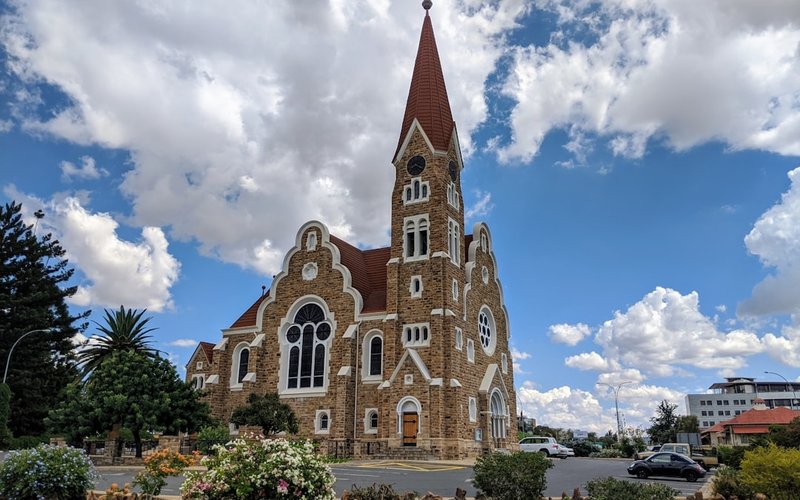
Windhoek sits in a valley between the Khomas Highland hills at 1,700 meters elevation, giving it crisp evenings that make bar terraces comfortable year-round. The capital of Namibia is a city of contrasts: German colonial architecture stands alongside modern African architecture, and beer halls with century-old brewing traditions neighbor bars playing kwaito and Afrobeats.
Our team walked every district covered here.
With roughly 450,000 people, Windhoek feels intimate. The nightlife concentrates along Independence Avenue and a few surrounding blocks, creating a scene where regulars know each other by name and a new face gets noticed immediately. That's not hostility; it's curiosity. Namibians are welcoming once the initial surprise wears off.
Legal Context
Prostitution is illegal in Namibia. Windhoek's nightlife operates as conventional licensed premises. The city center has no adult entertainment district. Police conduct occasional operations but focus on more visible issues like public intoxication and noise complaints.
Drug laws are enforced. Cannabis is illegal despite widespread use. Possession results in fines or imprisonment.
Key Areas
Independence Avenue Area. The main commercial street and its side streets host Windhoek's nightlife. German beer halls, African bars, sports bars, and a few nightclubs line the avenue and the blocks between it and the railway station.
Joe's Beerhouse area. The legendary restaurant and bar south of the center is a destination in itself, though the surrounding area has limited nightlife. Worth the taxi ride for the experience.
Katutura. Windhoek's largest township has bars and shebeens (informal drinking spots) with genuine local atmosphere, but safety concerns make these unsuitable for unaccompanied visitors. Guided tours exist for the curious.
Safety
Windhoek occupies a middle ground for African capital safety.
- The city center along Independence Avenue is reasonably safe during evening hours, with police patrols and security guards at most venues
- Side streets away from the main strip get dark quickly. Stick to well-lit areas or take a taxi
- Petty crime (pickpocketing, bag snatching) occurs near the bus station and in market areas
- Katutura has higher crime rates and is not recommended at night without local accompaniment
- Car break-ins happen. Don't leave valuables visible in parked vehicles
- Emergency number is 10111 for police
Cultural Norms
Windhoek's social scene reflects Namibia's multicultural reality.
- Beer culture is serious. The German brewing tradition lives on in Windhoek's lagers and beer halls. Ordering a Windhoek Draught is practically a civic duty
- Namibians are initially reserved but friendly once the ice breaks. A compliment about the beer is a reliable conversation starter
- The city's diverse communities (German-Namibian, Afrikaner, Ovambo, Herero, Damara) each have their own social spots. Most bars attract a mixed crowd, but some lean toward specific communities
- Dress is casual. Windhoek doesn't do pretension. Clean jeans and a decent shirt will get you into every venue in town
- Braai (barbecue) culture extends to nightlife. Several bars combine grilling with drinking in a way that blurs the line between restaurant and bar
- Tipping NAD 10-20 ($0.55-1.10) is appreciated at bars with table service
Social Scene
Beer halls are Windhoek's signature. Some date back to the German colonial period, with wooden benches, brass taps, and a convivial atmosphere that invites long stays. These are the best places to meet both locals and other travelers.
African bars along and near Independence Avenue play kwaito, Afrobeats, and Namibian hip-hop. The energy is higher, the crowd younger, and the dancing expected.
The expat scene is small but present, driven by development organizations and the German-Namibian business community. Thursday and Friday evenings draw the after-work crowd.
Live music appears at select venues on weekends. Namibian artists performing in genres from jazz to kwaito to gospel create a soundtrack that's distinctly Windhoek.
Transportation
- Taxis: The main option after dark. Not metered; agree on fares in advance. Central Windhoek trips cost NAD 50-100 ($2.75-5.50)
- Walking: Possible along Independence Avenue in the evening. Not recommended in residential areas or away from the main strip after dark
- Rental cars: Useful for Namibia generally, but not necessary within Windhoek. Don't drink and drive; police conduct roadblocks
- Ride-hailing: Limited. Most visitors rely on hotel-arranged taxis
Best Times to Visit
- May-September (dry, cool season): Crisp evenings perfect for beer halls. The best period
- October: Hot and dry. Pre-rain tension in the air, and outdoor bars are popular
- December-January: Holiday period. Active social scene, though some residents leave for coast holidays
- February-April: Rainy season. Afternoon thunderstorms clear by evening. Indoor venues unaffected
- Friday and Saturday are the main nights. Thursday has some activity. Weekday options are very limited
Get the Legal Status PDF, 50 countries
Newsletter signup coming soon. Check back shortly.
Flights to Windhoek
Compare prices across airlines. Filter by stops, time, and cabin.
Airport transfer to Windhoek
Pre-booked transfers cost about the same as a metered taxi but cut out the airport queue, the meter argument, and the "no English" routine that takes some drivers to the wrong address. Fixed price quoted before booking, driver tracks your flight, waits with a name sign at arrivals.
Book a KiwiTaxi transferFrequently Asked Questions
Was this guide helpful?