Zona Norte
Legal & Regulated1/5DangerousGuide to Tijuana's Zona Norte red-light district, covering the tolerance zone on Calle Coahuila, safety risks, pricing, and practical advice.

Where to stay near Zona Norte
Hotels walking distance from the venues on this page.
See places to stay and current pricesThe Nightlife Scene
Hand-picked spots in this district
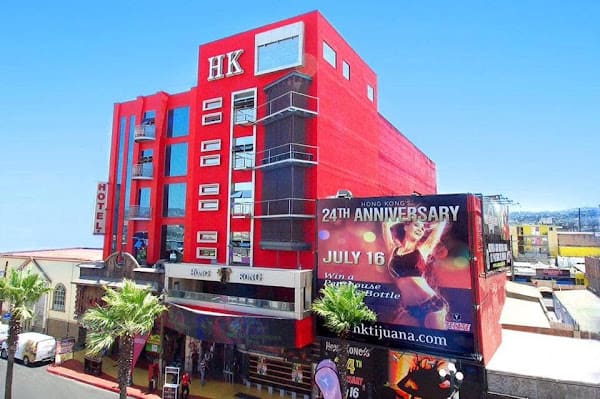
Hong Kong Gentlemen's Club
The largest and most recognized club in Zona Norte, spread across multiple floors with a dance floor and several bar areas. Open nightly and busiest on weekends, with a cover charge that includes a drink.
Calle Coahuila 8044
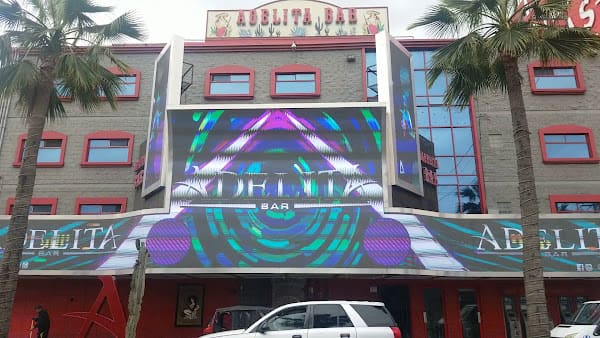
Adelita Bar
A long-running Zona Norte bar that draws a steady crowd of locals and visitors. The single-room layout keeps things straightforward, with drinks priced in USD and pesos.
Calle Coahuila 3062
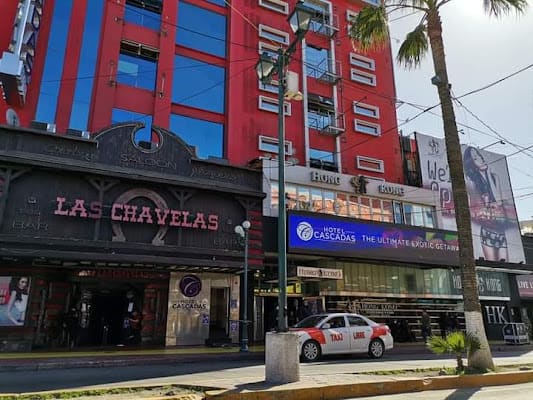
Las Chavelas
A smaller bar on Calle Coahuila that operates as a quieter alternative to the larger clubs nearby. Drink prices run slightly lower than neighboring spots.
Calle Coahuila
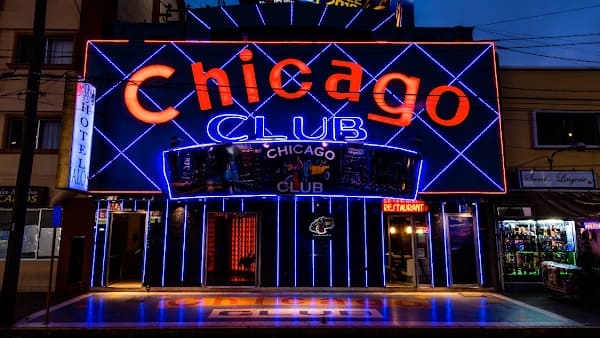
Chicago Club
A mid-sized nightclub in Zona Norte with a dance area and DJ booth playing regional and Latin music. The crowd skews younger on Friday and Saturday nights.
Calle Coahuila
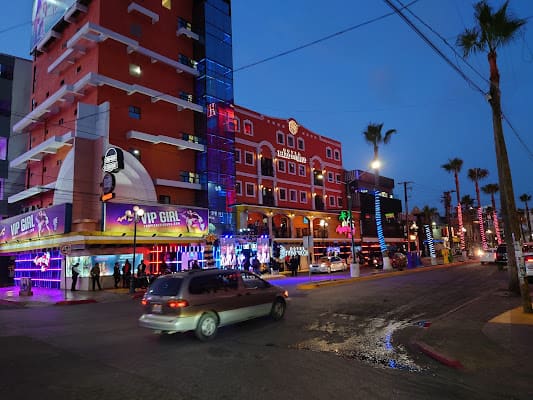
Bar Tropical
A no-frills cantina-style bar that has operated in Zona Norte for years. Known for cheap beer and a laid-back atmosphere compared to the louder clubs on the same block.
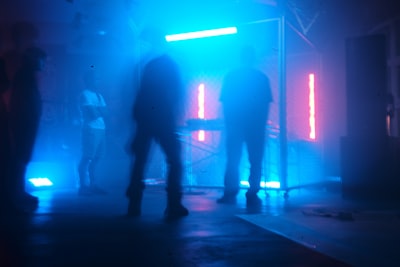
Club Caribe
Mid-sized nightclub on Calle Coahuila with a DJ booth and dance floor playing norteño and reggaeton. The crowd is mostly Mexican nationals with some American visitors mixed in.
Calle Coahuila 8020, Zona Norte
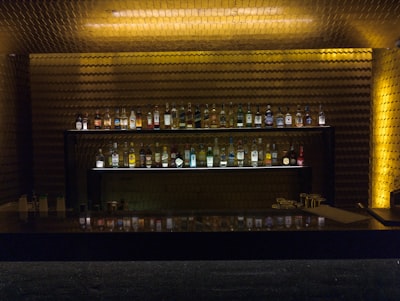
Bar Majestic
Drinking bar at the east end of Callejon Coahuila that operates without workers. Cheaper beer prices than the strip clubs, and a straightforward cantina setup for people who want a drink without the scene.
Callejon Coahuila, Zona Norte
Club Estrella
Smaller club on the Coahuila strip with a single bar and stage setup. Norteño and banda music dominate, and the pricing sits slightly below the larger venues.
Calle Coahuila, Zona Norte
El Ranchero
Cantina-style bar that caters to a local crowd with cheap domestic beer and televised boxing matches. The atmosphere is more working-class dive than entertainment venue.
Calle Coahuila 8010, Zona Norte
Club Bambi
One of the longer-running clubs on Calle Coahuila with a basic dance floor and bar area. It operates nightly and draws a steady stream of regulars alongside first-time visitors.
Calle Coahuila 8060, Zona Norte
Overview and Location
Zona Norte sits just a few blocks south of the San Ysidro pedestrian border crossing, making it one of the most accessible red-light districts in North America. The core of the area runs along Calle Coahuila, a short commercial strip between Avenida Revolucion to the west and Avenida Miguel F. Martinez to the east. The unofficial boundaries extend from Calle Primera to Baja California street, north to south, but the real action is concentrated on Coahuila itself and in the alleyways branching off it.
We visited every venue listed below in person.
The district has operated openly for decades. It's not a hidden underground scene; it's a defined commercial zone with visible security, registered workers, and a police station sitting in the middle of it. That said, the neighborhoods surrounding the strip are some of Tijuana's most dangerous. The approach and exit require just as much attention as the time spent inside.
Legal Status
Tijuana's Zona Norte functions as a zona de tolerancia, a tolerance zone sanctioned by the municipal government of Baja California. Sex work within this designated area is legal, and workers are supposed to register with the municipal health department and carry a tarjeta sanitaria (health card) confirming regular STI screenings.
The regulatory framework exists on paper, but enforcement is uneven. Not all workers carry valid health cards, and venue-level oversight varies from bar to bar. Outside the tolerance zone, solicitation is illegal and subject to arrest. The distinction between inside and outside the zone is real and enforced, at least selectively. Police presence within the zone is constant, though it serves a dual purpose: maintaining order and, at times, extracting money from visitors.
Costs and Pricing
Most transactions in Zona Norte happen in US dollars, reflecting the cross-border clientele. Mexican pesos are accepted, but dollars are the standard currency in the bars and hotels along Calle Coahuila.
Drinks: Beer at the main bars costs $5-7 USD. Some venues run two-for-one specials during early evening hours before the night crowd arrives. Cocktails and mixed drinks range from $6-10 USD. Lady drinks, where you buy a drink for a worker sitting with you, typically cost $8-10 USD regardless of what's in the glass.
Bar fines and services: Bar fines (the fee paid to the establishment to take a worker off the floor) vary by venue but generally run $20-30 USD at the strip clubs. Arrangements beyond that are negotiated privately and cost anywhere from $40-80 USD depending on the venue and circumstances.
Short-stay hotels: The small hotels clustered near the strip charge by the hour or by session. Rates start around 300-500 MXN ($15-25 USD) for a basic room. The Hotel Rizo de Oro on Calle Coahuila, across from Hong Kong Gentlemen's Club, offers rooms starting at 140 MXN per night on weekdays and 190 MXN on weekends, with suites available at higher rates.
Established bars: Adelitas Bar, one of the most well-known spots on the strip, charges $7 for beer and $8 for lady drinks. Hong Kong Gentlemen's Club, located a few doors down on the south side of Coahuila, has higher drink prices for worker-purchased beverages. Bar Majestic, at the east end of Callejon Coahuila, is a drinking bar without workers and has cheaper prices.
Taxis: A taxi from the border crossing to Zona Norte costs $5-10 USD. Uber also operates in Tijuana and is generally cheaper and safer.
Street-Level Detail
Calle Coahuila is the spine of the district. Walking west from Avenida Revolucion, you'll pass from the tourist zone into the tolerance zone within a couple of blocks. The transition is obvious: the bars change character, the lighting shifts, and the street activity takes on a different energy.
The main strip has two types of venues. The larger clubs, like Adelitas and Hong Kong, occupy multi-room buildings with stages, bars, VIP sections, and attached hotel rooms. These are the most structured operations, with door security, defined pricing, and some semblance of order. The smaller bars and cantinas along the street are simpler operations with fewer controls.
Primer Callejon Coahuila, a high-traffic alley branching off the main street, is where much of the street-level activity concentrates. Workers stand along the alley, and small rooms and hotels line both sides. This area is more chaotic and less regulated than the established bars.
Don't wander off the main strip. The streets surrounding Calle Coahuila deteriorate quickly on the safety front. The pedestrian alleys and side streets are where robberies happen, and being visibly out of place makes you a target. Stick to the lit, populated sections of the main road.
Safety
Zona Norte earns its low safety rating. This area is surrounded by neighborhoods with active drug trafficking, and violence is a genuine threat in the surrounding blocks.
Police extortion is the most common problem visitors face. Officers patrol the zone and target tourists for alleged violations, real or invented. They may demand cash, threaten arrest, or confiscate belongings. Carrying only $20-40 in "fine money" separate from your main cash is a pragmatic tactic. Don't argue, don't resist, and don't carry anything you can't afford to lose.
- Leave your US passport secured on the US side if possible; carry only a photocopy
- Don't carry credit cards, expensive phones, or more cash than you're prepared to lose
- Don't buy or carry drugs. Drug-related encounters with police or cartel-connected individuals can escalate into life-threatening situations
- Stay on Calle Coahuila and avoid side streets and alleys after dark
- Don't get intoxicated. Being visibly drunk makes you a target for robbery and extortion
- Plan your border crossing time before entering. Pedestrian return to the US can take 1-3 hours, and you don't want to be stuck in the zone at 3 AM
Cultural Context
Zona Norte reflects Tijuana's century-long relationship with American visitors seeking what wasn't available north of the border. The district has roots in the Prohibition era and has evolved through multiple decades of cross-border commerce. For many Tijuanenses, the zone is simply a part of the city's economy, neither celebrated nor condemned.
The workers in the zone come from across Mexico and Central America. The economic reality driving the industry is stark: wages in Zona Norte can exceed what many workers could earn in formal employment by a significant margin. The health card system, while imperfect, represents an attempt at harm reduction that many other Latin American cities lack entirely.
Spanish is the working language, but English is widely understood along Calle Coahuila. The border proximity means most workers and bar staff can communicate with American customers without difficulty.
Scam Warnings
Drink spiking and overcharging are common in smaller bars. Some venues inflate bills, add items that weren't ordered, or serve drinks with unknown substances. Stick to the larger, established bars where pricing is more transparent. Count your drinks and review your bill before paying.
Short-change artists: Bar staff or taxi drivers may give change in pesos when you paid in dollars, at an unfavorable rate. Know the current exchange rate and count your change.
The friendly guide: Someone approaches you near the border crossing and offers to show you around the zone. They'll steer you to specific bars where they earn a commission, and the prices you pay will be higher. Walk in on your own.
Fake police: Not everyone in a uniform is a real officer. Some criminals dress as police to extort tourists. Real police typically operate in pairs or groups and carry visible identification, though checking credentials in the moment isn't always practical.
Nearby Areas
Avenida Revolucion is Tijuana's main tourist strip, a short walk west from Zona Norte. It has conventional bars, restaurants, and shops, and serves as a safer staging area for the evening. Many visitors start on Revolucion before heading to the zone.
Zona Rio is Tijuana's upscale commercial district, located east of the tourist area. It has good restaurants, craft beer spots, and a more middle-class Mexican atmosphere. It's significantly safer than Zona Norte and worth visiting for Tijuana's celebrated food scene.
Meeting People Nearby
The craft beer scene on and around Avenida Revolucion and in Zona Rio provides a more conventional social environment. Plaza Fiesta, a converted mall housing 15+ small breweries, draws a young, creative crowd and is one of the best spots in the city for casual socializing. Tinder and Bumble have active user bases on both sides of the border, and Tijuana's cross-border culture makes social interactions feel less filtered than in other Mexican cities. For a full overview, see the main Tijuana city guide.
Best Times
- Early evening (6-9 PM): Bars opening, two-for-one drink specials at some venues, lighter crowds
- 10 PM - 2 AM: Peak hours, especially Friday and Saturday nights
- Weekdays: Significantly quieter, less chaotic, and slightly lower prices at some venues
- Weekends and US holidays: Maximum traffic from Americans crossing the border. Memorial Day, Labor Day, and Fourth of July weekends are the busiest periods
- Spring break (March): Heavy traffic from younger American visitors
- Border crossing wait times are longest on Sunday evenings returning to the US. Check current wait times at the CBP website before planning your return
What Not to Do
- Do not wander off Calle Coahuila into surrounding side streets or alleys
- Do not carry your US passport, credit cards, or valuables into the zone
- Do not buy or possess drugs under any circumstances
- Do not get into arguments with police, security, or anyone else
- Do not take photos or videos of police, military, workers, or inside venues without permission
- Do not get visibly intoxicated; it marks you as a target
- Do not stay past 1 AM without a clear, sober plan for getting back to the border
- Do not engage with anyone who appears underage; Mexican and US law enforcement cooperate on trafficking cases, and consequences are severe on both sides of the border
- Do not flash cash, expensive watches, or phones
Get the Legal Status PDF, 50 countries
Newsletter signup coming soon. Check back shortly.
Related Guides
Frequently Asked Questions
Was this guide helpful?