Temple Bar
Semi-Legal4/5SafeDistrict guide to Temple Bar in Dublin, covering the famous pub quarter's nightlife, live music scene, costs, safety tips, and what to actually expect.

Where to stay near Temple Bar
Hotels walking distance from the venues on this page.
See places to stay and current pricesThe Nightlife Scene
Hand-picked spots in this district
The Temple Bar Pub
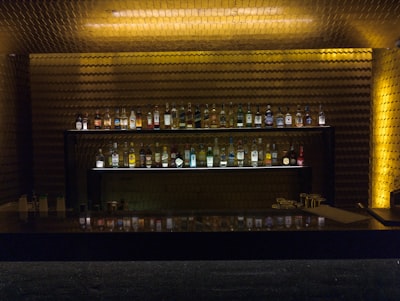
Dublin's most photographed pub with its iconic red facade. Two floors of live traditional and rock music every night, a huge whiskey collection, and standing-room-only crowds on weekends.
47-48 Temple Bar
The Porterhouse Central
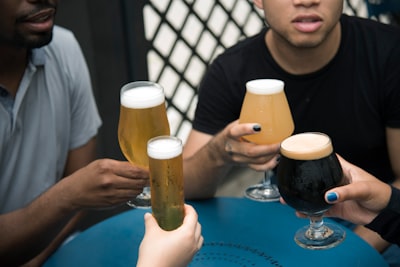
Multi-level craft brewery and bar spread across several floors. Brews its own stout, ales, and lagers on site, with live music on the ground floor most evenings.
45-47 Nassau Street
The Auld Dubliner
Traditional pub with a large upstairs venue hosting live bands and DJs. The ground floor keeps a classic pub feel, while the upper level gets louder and more energetic after 10 PM.
24-25 Temple Bar
Button Factory
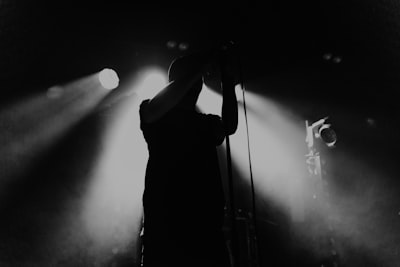
Mid-sized music venue and nightclub hosting live acts, DJ nights, and club events. Capacity of around 800 across two levels, with a reputation for booking quality indie and electronic acts.
Curved Street, Temple Bar
Vintage Cocktail Club
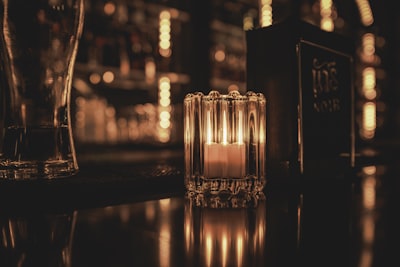
Speakeasy-style cocktail bar hidden behind an unmarked door on Crown Alley. Dim lighting, creative cocktails, and a dress code that keeps the atmosphere more refined than the surrounding pub chaos.
15 Crown Alley
The Foggy Dew
Late-night pub with a rock and alternative music focus. Screens showing sports during the day give way to DJ sets and a young, energetic crowd after dark. One of the few Temple Bar spots that feels less touristy.
1 Fownes Street Upper
Overview and Location
Temple Bar occupies a compact grid of cobblestone streets between Dame Street to the south and the River Liffey to the north, in the heart of Dublin's city center. The area covers roughly four blocks east to west and two blocks north to south, making it easy to walk from one end to the other in ten minutes.
Prices confirmed through direct visits in March 2026.
The district takes its name from the Temple family who owned land here in the 17th century, not from any actual bar or temple. By the 1980s, the area had fallen into decline and was slated for demolition to build a bus station. Artists, musicians, and small businesses moved into the cheap spaces, and the resulting cultural quarter eventually won preservation. That creative energy still echoes in the area's mix of galleries, music venues, and street performers, though tourism now dominates the economic activity.
On any given night, Temple Bar delivers a concentrated dose of live music, crowded pubs, and the particular chaos of stag parties, hen parties, and international visitors all converging on the same few streets. It's not where most Dubliners spend their Saturday nights, but it offers an experience that's hard to replicate elsewhere.
Legal Status
Temple Bar operates under the same national legal framework as the rest of Ireland. The 2017 law criminalizing the purchase of sex applies here as everywhere else. In practical terms, Temple Bar's nightlife is almost entirely conventional. It's a pub and live music district with no adult entertainment venues, strip clubs, or anything resembling a red-light area.
The district's licensing follows standard Irish law. Pubs close at 11:30 PM on weeknights and 12:30 AM on weekends unless they hold late-bar extensions. A small number of venues have special exemption orders allowing service until 2:30 AM or later. These early closing times create a distinctive rhythm where energy peaks between 9:00 PM and midnight before rapidly dissipating.
Costs and Pricing
Temple Bar is Dublin's most expensive nightlife area. Pubs here charge a "Temple Bar tax" that adds EUR 1-2 per drink compared to venues just a few streets away.
- Pint of Guinness or lager: EUR 7-9 (compared to EUR 5.50-7 elsewhere in the city center)
- Craft beer: EUR 8-10
- Cocktails: EUR 14-18
- Glass of wine: EUR 8-12
- Pub food: EUR 12-22 for mains
- Restaurant dinner: EUR 20-35 per person
- Nightclub/late-bar entry: EUR 10-15 (most pubs have no cover charge)
The Porterhouse on nearby Nassau Street offers better value than most Temple Bar pubs because it brews its own beer, cutting out middleman costs. A pint of their Plain Porter runs about EUR 6.
Street food vendors set up around the area on busy nights. Crepes, burritos, and pizza slices run EUR 6-10. For cheaper late-night food, walk five minutes to Dame Street or George's Street for chipper options at EUR 8-12.
Street-Level Detail
Temple Bar's main artery is Temple Bar Street itself, running east-west. It intersects with Crown Alley, Fownes Street, and Eustace Street, creating a grid of narrow lanes. Most of the activity concentrates on three or four blocks.
Temple Bar Street. The red-fronted Temple Bar Pub anchors the western end and is the single most photographed building in Dublin. On weekend nights, crowds spill out of its doors and the sound of live trad (traditional Irish music) carries down the street. Next door and across the street, more pubs compete for attention with sandwich boards advertising live music, craft beers, and Irish whiskey selections.
Crown Alley and Merchant's Arch. Crown Alley connects to the Ha'penny Bridge via Merchant's Arch, making it a natural pedestrian corridor. The Vintage Cocktail Club on Crown Alley operates behind an unmarked door, offering a quieter, more refined alternative to the pub madness outside. The alley also hosts several restaurants and the Irish Film Institute's bar, which attracts a more local crowd.
Curved Street. Button Factory sits on this pedestrian-only street and hosts everything from indie bands to late-night DJ sets. Curved Street also fills with street performers during the day, and its restaurants and cafes serve the brunch and early evening crowds.
Meeting House Square. An open-air square used for markets on Saturdays and occasional outdoor screenings and events. At night it's quieter than the surrounding streets but connects several venues and restaurants.
Safety
Temple Bar is one of Dublin's safest areas simply because of foot traffic. Thousands of people pass through on weekend nights, and the narrow streets are well-lit.
- Pickpocketing is the primary risk. Crowded pubs where people set phones on tables or hang bags over chairs are prime spots. Keep valuables in front pockets
- Stag and hen parties from the UK and elsewhere can get rowdy, particularly after 11 PM. This rarely escalates beyond noise and obnoxious behavior
- Broken glass on cobblestones is common late at night. Wear closed-toe shoes
- ATM skimming has been reported. Use bank ATMs inside branches rather than standalone machines on the street
- The area empties quickly after pub closing time. Don't linger in empty side streets after 1:00 AM; walk to Dame Street or O'Connell Bridge for taxis
- Gardai patrol Temple Bar on foot during weekends
Cultural Norms
Temple Bar runs on pub culture, and understanding the unwritten rules makes the experience smoother. "Rounds" are the default social mechanism in Irish pubs. If you're drinking with a group, each person takes turns buying a round for everyone. Declining to participate is noticed and not appreciated. If you don't want to commit to a full round, say so early and buy your own drinks.
Trad music sessions in pubs follow their own etiquette. Don't talk loudly over the musicians. Don't request songs unless the band specifically invites requests. Don't sit in the chairs reserved for musicians (usually near the instruments). Tipping the musicians with a few euros in the jar is appreciated but not mandatory.
Irish bar staff don't expect large tips. A euro or two when ordering at the bar is generous. For table service in restaurants, 10-15% is standard but not obligatory.
Street performers (buskers) are a fixture of Temple Bar during the day and early evening. Watching is free; tipping is appreciated if you stop to listen.
Practical Information
Getting there. Temple Bar is in Dublin's absolute center. From O'Connell Street, cross the Ha'penny Bridge or O'Connell Bridge and you're there. The nearest Luas (tram) stop is Jervis (red line), about a 5-minute walk. Bus routes along Dame Street and the quays stop within 100 meters of the district. No DART station is nearby, but Tara Street DART station is a 10-minute walk east.
Best time to visit. Weeknight sessions (Tuesday through Thursday) offer a more authentic experience with fewer tourists and more locals. Weekday trad sessions are often better quality than weekend ones. Friday and Saturday are the most hectic, with peak crowds between 9:00 PM and midnight.
Transport home. Taxis queue at ranks on Dame Street and along the quays. The FreeNow app works well in Dublin. Nitelink buses run from D'Olier Street on Friday and Saturday nights from midnight to 4:00 AM, covering routes across the city and suburbs. Walking to Harcourt Street or Camden Street from Temple Bar takes about 15 minutes if you want to continue the night at late venues.
Get the Legal Status PDF, 50 countries
Newsletter signup coming soon. Check back shortly.
Related Guides
Dublin Overview
City guide to nightlife in Dublin, covering Temple Bar, Harcourt Street, and the city's pub-centered social scene with practical tips for visitors.
Read guideHarcourt Street
District guide to Harcourt Street in Dublin, the city's main late-night strip with clubs, cocktail bars, and nightlife that runs past the standard Irish closing time.
Read guideFrequently Asked Questions
Was this guide helpful?