Pedro Clisante
Semi-Legal3/5ModerateDistrict guide to Calle Pedro Clisante in Sosua, the main entertainment street with bars, clubs, and nightlife on the Dominican Republic's north coast.
Where to stay near Pedro Clisante
Hotels walking distance from the venues on this page.
See places to stay and current pricesBars and Clubs Worth Checking
Reviewed and rated by our team
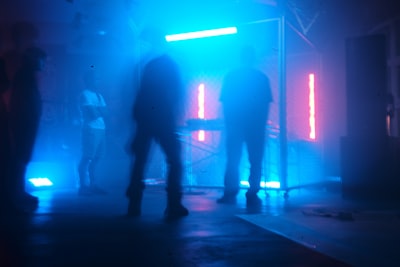
Classico Club
Two-story nightclub on Pedro Clisante where reggaeton and dembow dominate the playlist. Cover runs around 200-300 DOP and the dance floor peaks well after midnight.
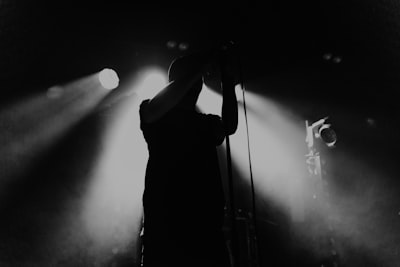
Rocky's Rock & Blues Bar
Live rock and blues acts most nights of the week. One of the few spots on Pedro Clisante that breaks from the all-Latin format.
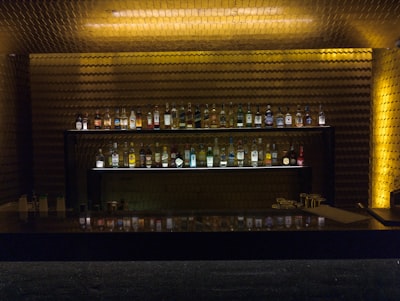
High Caribbean
Open-front bar on the main strip popular with expats and tourists. Cold Presidente beer and simple cocktails at prices lower than Santo Domingo equivalents.
Jolly Roger
Sports bar with pool tables and screens showing international football and baseball. Fills up early evening before the louder clubs open their doors.
Britannia Bar
British-owned pub on Pedro Clisante with familiar drinks and a casual atmosphere. A common starting point for tourists easing into the Sosua nightlife strip.
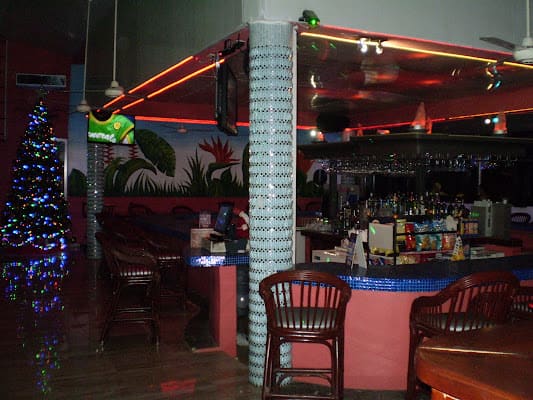
Diamond Club and Lounge
Modern Pedro Clisante nightclub with a large dance floor and a Latin-heavy DJ rotation. Open 8 PM to 3 AM and one of the more polished options on the strip post-crackdown.
Calle Pedro Clisante 12, Sosua, Dominican Republic
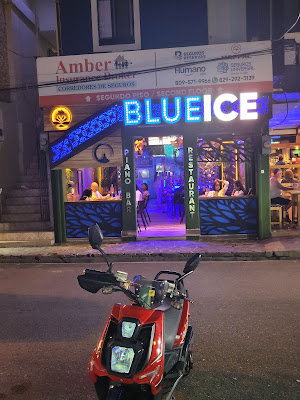
Blue Ice Piano Bar
Live piano and small-band bar on Pedro Clisante drawing a mixed expat and tourist crowd. Quieter than the dance clubs nearby and stays open well past midnight on weekends.
Calle Pedro Clisante, Sosua, Dominican Republic
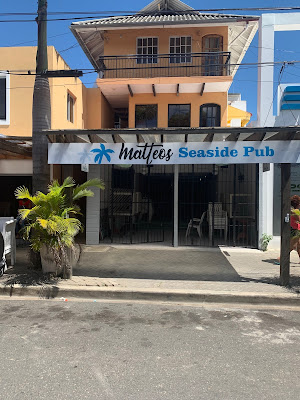
Matteo's Seaside Pub
Newer pub that took over the former Britannia Pub location on Pedro Clisante. European-style menu, full bar, and a regular expat crowd in for evening pints.
Calle Pedro Clisante, Sosua, Dominican Republic
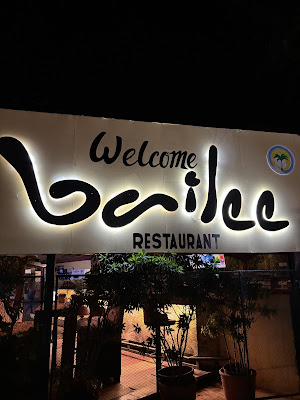
Bailey's Sosua
Casual El Batey bar and restaurant known for its Baileys colada and pizza. Quieter alternative for sit-down drinks and dinner before walking the Pedro Clisante strip.
El Batey, Sosua, Dominican Republic
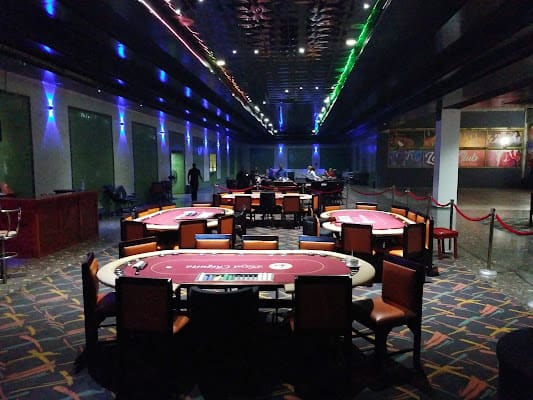
Casino Playa Chiquita
Hotel casino with 80 gaming machines plus 16 table and poker games, including a restaurant and bar on site. Opens evenings weekdays and from 4 PM on weekends, running until 4 AM.
Playa Chiquita Resort, Sosua, Dominican Republic
Overview and Location
Calle Pedro Clisante runs through the El Batey neighborhood of Sosua, a small beach town on the Dominican Republic's north coast, about 25 minutes east of Puerto Plata's Gregorio Luperon International Airport. The street functions as Sosua's main commercial artery during the day, with shops, restaurants, and services. After roughly 6 PM, the road closes to vehicle traffic, and the bars and restaurants push tables and chairs out onto the pavement.
Our researcher spent several nights in this area compiling notes.
For decades, Pedro Clisante was one of the most well-known adult entertainment strips in the Caribbean. That reputation attracted a specific type of tourism, and the street's character was defined by it. Government enforcement operations that began around 2018-2019 and intensified through 2025 have changed the picture. Many of the notorious establishments closed. A dedicated prosecutor's office opened in Sosua in 2025 to target trafficking and exploitation. Police and Politur (tourist police) now patrol Pedro Clisante regularly. What remains is a reduced nightlife scene that's more discreet than it was, mixed with restaurants, expat hangouts, and ordinary bars trying to rebrand themselves for a broader tourist market.
Legal Status
Dominican law doesn't explicitly criminalize prostitution between consenting adults. The penal code targets trafficking, pimping, exploitation of minors, and operating brothels. In Sosua, the law hasn't changed, but enforcement has shifted dramatically.
The crackdowns on Pedro Clisante have been driven by a combination of international pressure regarding sex tourism, domestic political will to rebrand the north coast, and genuine concerns about trafficking and exploitation of minors. Municipal authorities in Puerto Plata, working with prosecutors, closed eight nightclubs and bars along the street in one operation alone. The Public Ministry opened a Special Prosecutor's Office in Sosua in 2025 specifically to investigate trafficking, commercial sexual exploitation, and related crimes.
The practical effect is that openly transactional nightlife is now risky in ways it wasn't before. Police patrol the strip and may question foreigners in certain contexts. Bars that previously operated as de facto pickup venues have either closed, changed their format, or become more careful about what happens on premises. Activity that was once conducted openly has moved to apps, private arrangements, and locations outside the Pedro Clisante strip. Visitors should understand that what was tolerated five years ago may now draw police attention.
Costs and Pricing
Sosua is cheap, and Pedro Clisante is no exception. This is one of the most affordable nightlife strips in the Caribbean.
Beer is the standard drink. A small Presidente (the Dominican national beer) costs 150-200 DOP (roughly USD 2.50-3.25) at most bars. A large Presidente runs 200-300 DOP (USD 3.25-5). Some bars offer beer specials and happy hours that bring prices lower. Imported beers cost more but rarely exceed 350 DOP (USD 5.75).
Cocktails are 200-400 DOP (USD 3.25-6.50) at most spots. Dominican rum is the base spirit, and it's cheap. Brugal and Barcelo cocktails sit at the low end. Imported whiskey or vodka cocktails cost more, pushing toward 500 DOP (USD 8).
Cover charges are uncommon. A few bars charge around 200 DOP on busy nights. Club 59 Classic Disco doesn't charge cover. Most bars on the strip are walk-in.
Food is very affordable. A Dominican comida criolla plate costs about 400-600 DOP (USD 6.50-10). Shrimp dishes run around 800 DOP (USD 13), and steak or lobster dinners cost 1,000-1,200 DOP (USD 16-20). Jolly Roger Bar & Grill in the middle of the strip offers meals and guest chef nights for around 250 DOP (USD 4) on Sundays.
Transport within Sosua is dirt cheap. Motoconchos (motorcycle taxis) cost 25-50 DOP during the day and 35-75 DOP at night for trips within town. A taxi to Cabarete (15 minutes east) runs 600-1,000 DOP (USD 10-16). The airport taxi from Puerto Plata costs 1,500-2,500 DOP (USD 25-40).
Accommodation near Pedro Clisante starts at USD 15-39 per night for budget guesthouses. Mid-range hotels run USD 36-95. You don't need to spend much to be within walking distance of the strip.
Total nightly budget: You can go out for an entire evening on 1,500-2,500 DOP (USD 25-40) if you stick to beer and local food. That's hard to beat anywhere in the Caribbean.
Street-Level Detail
Pedro Clisante is a single street, maybe 400 meters of active nightlife frontage. When the road closes to traffic at 6 PM, the character changes. Tables come out, music starts up, and the foot traffic begins.
The remaining bar and restaurant scene is a mix of expat-owned establishments, Dominican-run venues, and a few places trying to straddle both worlds. Jolly Roger Bar & Grill sits in the middle of the strip and functions as a social hub, especially for expats. It runs themed events through the week: bingo, darts, board games, and Sunday guest chef nights. The atmosphere is pub-like rather than club-like.
Classico at Pedro Clisante 12 is a bar and grill with a daytime-friendly feel and fair drink prices. Blue Ice Piano Bar draws a mixed crowd with live rock and blues music. NYC Drinks Bar, across from the Ahnvee Hotel, offers DJ nights and a lounge-style setup. Club 59 Classic Disco has the most club-like atmosphere on the strip, with an eclectic mix of music from reggae to salsa to EDM and a circular bar. No cover charge.
The mood on Pedro Clisante on a busy night is somewhere between a village pub crawl and a small-town strip. Regulars know each other, expats rotate between the same handful of spots, and the social circle is small enough that faces become familiar within a day or two. The brazen energy of the pre-crackdown era is gone. What's left is quieter, older in its clientele, and less concentrated. On slow weeknights, some bars don't bother opening at all.
Safety
Pedro Clisante is a small-town strip, and the risks are proportional. But they aren't zero, and the mix of alcohol, tourism money, and economic disparity creates specific hazards.
The street itself is reasonably safe during busy hours, roughly 8 PM to midnight on weekends. Foot traffic, open venues, and the occasional police patrol keep things orderly. After midnight, crowds thin and the atmosphere changes. The street gets darker and quieter, and the risk of robbery increases. Armed robbery targeting tourists has been reported in Sosua, particularly in the late-night and early-morning hours.
Motorcycle snatch theft happens here as it does across the Dominican Republic, though less frequently than in Santo Domingo. Don't walk with your phone in your hand. Keep valuables in front pockets. Don't wear visible jewelry.
Drink spiking has been reported at Sosua bars. Perpetrators add intoxicants to drinks and then rob incapacitated victims. Don't leave your glass unattended, and be cautious about accepting drinks from strangers.
Police and Politur presence on Pedro Clisante has increased as part of the crackdown. This is generally positive for safety but means that certain behaviors that were previously ignored may now attract attention.
Cultural Context
Sosua's culture is layered in a way that most Dominican towns aren't. The original community was founded in the 1940s by Jewish refugees from Europe, and traces of that history remain in the local museum and a few buildings. Dominican and Haitian populations form the majority of residents. On top of this sits a significant foreign expat community, mostly European and North American retirees who settled for the low cost of living and warm weather.
This mix shapes Pedro Clisante's character. On any given night, you'll hear English, German, French, and Spanish. The expat regulars form a visible social layer and can be a good source of local knowledge. Many are approachable and happy to talk to newcomers. But the street's history with sex tourism is the elephant in every room. Many locals are sensitive about it, and the government's rebranding efforts reflect a genuine desire to move past that reputation.
Dominican social norms still apply: warmth, directness, and a relaxed approach to time. Tipping in US dollars is appreciated. The economic gap between foreign visitors and locals is sharper in Sosua than in almost any other town in the country. Awareness of this dynamic is important for respectful interaction.
Scam Warnings
The long-distance "relationship" drain: This is Sosua's signature scam pattern. A woman forms what appears to be a genuine connection with a foreign visitor over several days. After the visitor leaves, communication continues via WhatsApp or social media. Requests for money begin and escalate: rent, family emergencies, medical bills, phone credit. Some men send thousands of dollars over months before realizing the pattern. Set boundaries from the start and understand that most nightlife interactions in Sosua carry a transactional element, whether it's stated openly or not.
The beach vendor overcharge: On Sosua Beach, which is a short walk from Pedro Clisante, vendors may quote inflated prices for lounger rentals, food, and drinks. Agree on prices before accepting anything, and don't assume the first price offered is fair.
The "police fine" shake-down: Reports exist of individuals claiming to be police or working with police who approach foreigners and demand payment for alleged infractions. Real police carry identification. If in doubt, ask to go to the police station rather than paying on the spot.
Tour and excursion scams: Unlicensed operators on Pedro Clisante sell tours and trips at discount prices, then deliver poor service or disappear with the money. Book through established operators or your hotel.
Nearby Areas
Sosua Beach is a 5-minute walk from Pedro Clisante. The curved bay with calm water and a strip of beach bars serves as the daytime social center. In the late afternoon, the beach bars shift from family-friendly to more socially charged. Don't walk on the beach after dark.
Cabarete is 15 minutes east by taxi (600-1,000 DOP). This kite-surfing town attracts a younger, more international crowd and has genuinely organic social nightlife. Bars like Lax Ojo and Onno's draw a mixed crowd of locals and visitors. If you're looking for social connections without the transactional overlay that defines Sosua, Cabarete is the better option.
Puerto Plata is 25 minutes west by taxi and offers a more authentically Dominican urban experience with its own Malecon and nightlife scene.
Meeting People Nearby
Pedro Clisante's social dynamics are heavily shaped by Sosua's history. Most nightlife interactions on this strip carry an implicit or explicit financial element. For more organic connections, Cabarete offers a social scene built around water sports, beach bars, and a younger international crowd. The expat community in Sosua's El Batey neighborhood is another entry point; long-term residents frequent the same bars and restaurants and are often willing to share local knowledge. For the full picture of Sosua's social scene, see the main Sosua city guide.
Best Times
- Friday and Saturday are the busiest nights; weeknights can be very quiet with some bars closed
- 8 PM to midnight is the active window on Pedro Clisante; the strip empties after midnight
- December through April is peak tourist season with the most visitors and highest energy
- June through September is the driest period on the north coast, with fewer tourists and lower prices
- The street closes to traffic around 6 PM, and the nightlife character begins
- Avoid November through January if you dislike rain; the north coast is wettest during these months
What Not to Do
- Do not expect the Sosua of 2010; the crackdowns have permanently changed the street's character
- Do not walk Pedro Clisante alone after midnight when the crowds have thinned
- Do not carry more cash than you plan to spend that evening
- Do not send money to people you've met in Sosua after you leave the country
- Do not flash expensive electronics, watches, or jewelry on the street
- Do not leave your drink unattended at any bar
- Do not engage with anyone who appears underage; enforcement is active and consequences are severe
- Do not walk on Sosua Beach after dark
- Do not disrespect the local community; this is a real town with families, not a theme park
Get the Legal Status PDF, 50 countries
Newsletter signup coming soon. Check back shortly.
Frequently Asked Questions
Was this guide helpful?