Zona Colonial
Semi-Legal3/5ModerateDistrict guide to Zona Colonial in Santo Domingo, the historic UNESCO center with concentrated nightlife along Calle El Conde and surrounding streets.

Where to stay near Zona Colonial
Hotels walking distance from the venues on this page.
See places to stay and current pricesBars and Clubs Worth Checking
Reviewed and rated by our team
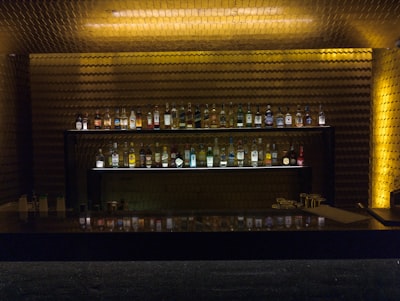
Onno's Bar
Longtime expat and backpacker fixture on Calle Hostos with cheap drinks and a rowdy late-night crowd. Cash only, minimal decor, maximum volume.
Calle Hostos
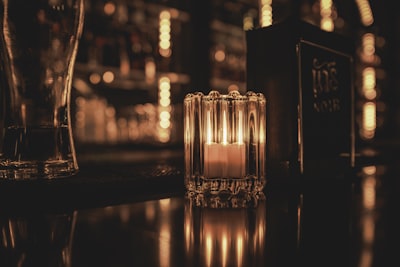
Pat'e Palo European Brasserie
Upscale bar and restaurant overlooking Plaza España with a rooftop terrace. Popular for sunset drinks before heading to louder venues nearby.
Plaza España
La Alpargatería
Trendy cocktail bar with exposed brick and creative drinks. Draws young Dominicans and visitors on weeknight outings in a more relaxed setting.
SOS Bar
No-frills drinking spot on Calle Arzobispo Meriño that fills up late with locals, expats, and tourists. Cheap beer and simple mixed drinks.
Parada 77
Eclectic neighborhood bar with rotating art on the walls and live DJs on weekends. Pulls an artsy, bohemian local crowd most evenings.
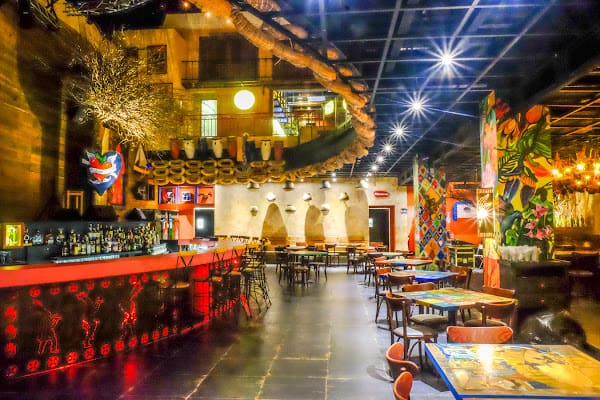
Jalao
Live merengue and bachata restaurant-bar facing Parque Colón, opened by the team behind Lulú and Pat'e Palo. Cover charge applies on weekend nights when the house band plays.
Calle El Conde 103, Santo Domingo, Dominican Republic
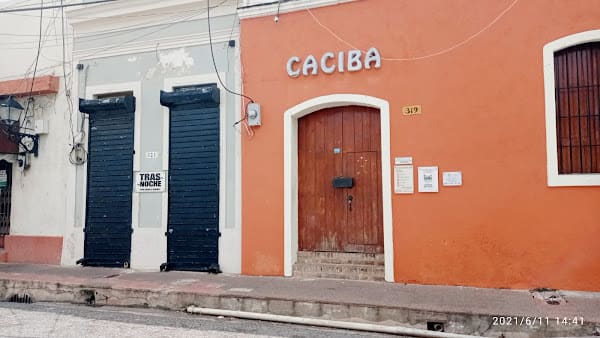
La Cacibajagua
Bohemian colonial-era bar with a courtyard and DJs spinning rock, soul, and alternative music. Draws a mixed Dominican and foreign crowd from 10 PM to 2 AM Tuesday through Sunday.
Calle Mercedes 319, Santo Domingo, Dominican Republic

Mamajuana Cafe
Plaza España bar and restaurant serving the namesake Dominican rum, herb, and honey drink alongside live music most evenings. Touristy but reliable for a first taste of mamajuana.
Calle Atarazana 19, Plaza España, Santo Domingo, Dominican Republic
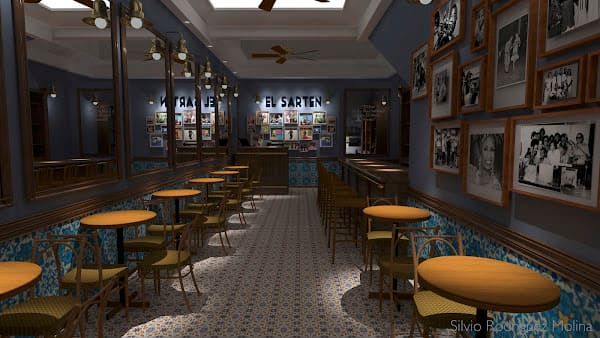
El Sartén
Tiny dance bar known as the Cathedral of Caribbean Music, with live son, salsa, merengue, and bachata. Older Dominican crowd, packed on weekends, room to dance is at a premium.
Calle Hostos 153, Santo Domingo, Dominican Republic
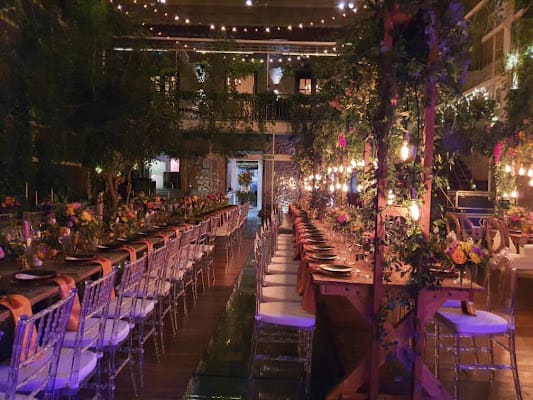
Buche Perico
Greenhouse-style restaurant and cocktail bar on Calle El Conde with over 500 plants and a tropical garden setting. Works as a relaxed pre-dinner drinks stop before the late-night Hostos bars.
Calle El Conde 53, Santo Domingo, Dominican Republic
Overview and Location
The Zona Colonial sits on the western bank of the Ozama River in central Santo Domingo. This grid of roughly 100 blocks contains the oldest cathedral, the oldest fortress, and the oldest paved street in the Americas. It earned UNESCO World Heritage status in 1990, and its colonial architecture draws both history tourists and nightlife visitors year-round.
Venue details verified through on-site research.
For anyone interested in Santo Domingo's entertainment scene, this is the natural starting point. Calle El Conde, the pedestrian boulevard running east-west through the district, anchors the nightlife. Bars, restaurants, and clubs cluster along El Conde and the cross streets radiating from Parque Colon. Calle Hostos has a row of bars running south from its intersection with El Conde. Calle Mercedes and Calle Arzobispo Merino hold several popular late-night venues. The area is compact and walkable, which makes it the only part of Santo Domingo where bar-hopping on foot is practical and reasonably safe.
Legal Status
The Dominican Republic doesn't have a specific law that criminalizes prostitution between consenting adults. It occupies a gray zone. The penal code targets trafficking, exploitation of minors, and pimping, all of which carry serious penalties. But the exchange of money for sex between adults isn't explicitly prohibited.
In the Zona Colonial, this plays out as a mixed nightlife scene. Freelancers frequent popular bars and clubs alongside regular patrons. There's no formal red-light district, no go-go bars, and no dedicated adult entertainment venues in the way you'd find in Southeast Asia. The scene blends into the broader social nightlife. Police presence in the zone focuses on public safety and drug activity. The tourist police, Politur, patrol the main streets and are more responsive to foreign visitors than regular police. They don't target consensual adult activity, but they will intervene if public behavior becomes disorderly.
Costs and Pricing
The Zona Colonial sits in the mid-range for Santo Domingo nightlife. It's more expensive than local Dominican bars in residential neighborhoods but cheaper than the upscale Piantini and Naco districts.
Drinks are the main expense. A small Presidente beer at a standard bar costs 150-200 DOP (roughly USD 2.50-3.25). A large Presidente runs 200-300 DOP (USD 3.25-5). Cocktails at casual bars cost 350-500 DOP (USD 5.75-8). The trendier spots charge more. At Lulu Tasting Bar on Calle Arzobispo Merino, craft cocktails go for 500-700 DOP (USD 8-11.50). Onno's at Calle Hostos 57 prices drinks between USD 4-10. Local rum (Brugal, Barcelo) is cheap; imported spirits cost significantly more.
Cover charges are uncommon at most bars but some clubs and live music venues charge 200-500 DOP (USD 3.25-8) on weekend nights. A few places include a drink with the cover.
Food is affordable. A Dominican meal at a local comedor runs 300-500 DOP (USD 5-8). Restaurant dinners in the zone cost 600-1,500 DOP (USD 10-25) depending on the venue. Street food and empanadas cost 50-100 DOP.
Transport to and from the zone is cheap by Uber or InDriver. A ride from most Santo Domingo hotels costs 150-350 DOP (USD 2.50-5.75). Late-night surge pricing can push this higher on weekends.
Budget for a night out: A typical evening of 4-5 drinks at 2-3 bars, some food, and round-trip transport runs about 2,500-4,000 DOP (USD 40-65). You can do it cheaper at local spots or spend considerably more at upscale venues.
Street-Level Detail
Calle El Conde is the spine of the district. This pedestrian-only street runs from Parque Independencia in the west to Parque Colon in the east. During the day it's a shopping street with stores and cafes. After dark, the eastern end near Parque Colon becomes the nightlife center. Restaurants set tables on the sidewalk, music plays from multiple doorways, and the foot traffic picks up around 9 PM.
Calle Hostos, running south from El Conde, has the highest density of bars in a single block. You can walk from one to the next in seconds. Onno's sits at the corner of Hostos and El Conde and draws a heavily foreign crowd. Bio Bar at Hostos 352 blends cocktails with a more cultural atmosphere. The bars on this street stay open until 2-3 AM on weekends.
South of El Conde, Calle Mercedes holds La Cacibajagua at number 319. This one has a different feel from the typical tourist bar. DJs spin rock, old school, and alternative music in a dimly lit colonial building with a courtyard. It opens Tuesday through Sunday from 10 PM to 2 AM and attracts a mixed Dominican and foreign crowd.
Parada 77 on Calle Isabela La Catolica 255 pulls a younger crowd (twenties and thirties) with merengue, bachata, and salsa. It's open 7 PM to 1 AM most nights, extending to 3 AM on Saturdays. Jalao at El Conde 103, directly across from Parque Colon, offers live merengue with food. The energy on the streets peaks between 11 PM and 1 AM on Friday and Saturday nights.
Safety
The Zona Colonial is the safest nightlife area in Santo Domingo, but "safest" is relative. The main streets around Parque Colon and Calle El Conde are well-lit and patrolled. Politur (tourist police) maintain a visible presence, especially on weekends. You can reach them at 809-689-6464 or dial 911.
Side streets get dark and quiet quickly once you move a few blocks from the main plazas. Don't wander into poorly lit residential blocks alone at night. Motorcycle-based snatch theft happens here just like the rest of Santo Domingo. Keep your phone in your pocket, not in your hand while walking. Wear bags cross-body in front of you.
Use Uber or InDriver when leaving late at night. Don't accept rides from unmarked vehicles. Leave your passport in the hotel safe and carry a photocopy. Drink spiking has been reported at nightlife venues, so don't leave your glass unattended.
Cultural Context
The Zona Colonial's nightlife reflects Dominican social culture, which is loud, musical, and physically expressive. Merengue and bachata aren't background music here. They're the social currency. Dominicans of all ages dance, and knowing even basic steps changes how people interact with you. Standing at the bar watching while everyone else dances marks you as an outsider more than your appearance does.
Spanish matters. English is spoken at the most tourist-oriented venues, but once you step outside that bubble, Spanish is the only way to communicate. Even basic conversational ability makes a significant difference. Nightlife starts late by North American and European standards. Showing up at 8 PM means an empty bar. Things begin filling in around 10-11 PM, and peak hours run from midnight to 2 AM.
Dominicans are direct in social interactions. Eye contact, conversation, and flirtation are straightforward. This is normal cultural behavior, not aggressive. Respond in kind or politely decline. The economic gap between foreign visitors and many locals is a constant undercurrent. Be aware of it without being condescending.
Scam Warnings
The helpful "friend" scam: Someone approaches you on the street, often near Parque Colon, speaking English and offering to show you around, recommend a bar, or translate for you. The interaction feels organic. After spending time together, they expect payment, steer you to overpriced venues where they collect a commission, or create an opportunity for a confederate to steal from you. Politely decline unsolicited help from strangers, especially near tourist landmarks after dark.
Dual pricing: Some bars charge tourists more than locals, particularly when paying with a foreign credit card. Ask for prices before ordering and pay in cash (DOP) when possible. Check your bill line by line before paying.
The bar tab scam: In crowded venues, bartenders may "forget" what you ordered and pad the bill with extra items. Keep a mental count of your drinks and dispute charges you don't recognize.
Taxi overcharging: Unlicensed taxi drivers outside bars quote inflated prices to tourists. Use Uber or InDriver instead. If you must take a street taxi, agree on the price before getting in.
Nearby Areas
The Malecon (Avenida George Washington) is a 10-minute drive south of the Zona Colonial. The oceanfront boulevard has larger nightclubs, casinos, and a more intense party atmosphere. It's where Santo Domingo goes for weekend dancing and is worth the trip if you want something bigger and louder than the zone's bar scene.
Gazcue sits between the Zona Colonial and the Malecon. It's a residential neighborhood with some local bars that cater to Dominicans rather than tourists. You'll need Spanish and more street awareness here.
Piantini and Naco are upscale neighborhoods about 15 minutes north by Uber. Modern bars, lounges, and restaurants here attract Santo Domingo's professional class. Higher prices and a polished atmosphere.
Meeting People Nearby
The Zona Colonial itself is the best place in Santo Domingo to meet people organically. The density of bars and restaurants, the walkability, and the mix of locals and visitors create a social environment that doesn't exist elsewhere in the city. Parque Colon draws a social crowd during the day. Coffee shops and restaurants along El Conde work for daytime connections. For a full overview of Santo Domingo's social dynamics, see the main Santo Domingo city guide.
Best Times
- Thursday through Saturday are the main nightlife nights; Friday and Saturday peak
- 10 PM to 2 AM is the active window; don't arrive before 10 PM expecting crowds
- December through April is high season with the most tourists and highest prices
- Carnival season (February) brings the biggest crowds and most energy
- Weeknights (Monday-Wednesday) are quiet; some venues close entirely
- Rainy season (May-November) brings afternoon showers that rarely affect nightlife, plus lower prices
What Not to Do
- Do not walk alone on side streets away from the main plazas after midnight
- Do not carry your real passport; a photocopy is sufficient for identification
- Do not display expensive jewelry, watches, or electronics on the street
- Do not leave your drink unattended at any bar or club
- Do not accept rides from unmarked or unlicensed vehicles
- Do not exchange money with people on the street; use banks or established cambios
- Do not assume everyone who approaches you in a friendly way has friendly intentions
- Do not go to unfamiliar private locations with people you've just met
Get the Legal Status PDF, 50 countries
Newsletter signup coming soon. Check back shortly.
Frequently Asked Questions
Related Guides
Santo Domingo Overview
City guide to adult nightlife in Santo Domingo, covering key areas, safety warnings, scam awareness, and cultural context.
Read guideMalecon
District guide to the Malecon in Santo Domingo, the oceanfront boulevard with clubs, casinos, and nightlife along Avenida George Washington.
Read guideWas this guide helpful?