
Areas Worth Visiting
Each neighborhood has its own character
Bavaro
3/5ModerateDistrict guide to Bavaro and El Cortecito in Punta Cana: beach bars, nightlife, safety, and costs on the Dominican Republic's east coast resort strip.
8 nightlife spots listed
Downtown Punta Cana
3/5ModerateDistrict guide to Downtown Punta Cana: Blue Mall clubs, sports bars, local nightlife, safety tips, and how this Dominican commercial center differs from the resort strip.
7 nightlife spots listed
District Map of Punta Cana
Pick a district to recenter the map and see hotels nearby.
Where to stay in Punta Cana
Compare hotels and rentals across the city's nightlife districts.
See places to stay and current pricesOverview
Punta Cana is the Dominican Republic's biggest tourism machine, drawing over eight million visitors a year to its strip of white-sand beaches on the country's eastern tip. Most of those visitors never leave the all-inclusive compound they checked into on arrival, which means the Punta Cana that exists outside the resort gates is genuinely underexplored.
Local contacts familiar with the area verified conditions for this guide.
The nightlife operates in two distinct zones. The Bavaro area, centered on El Cortecito and the Los Corales beach strip, is the older, more established entertainment quarter where bars and restaurants have been serving tourists and long-term expats for years. Downtown Punta Cana, anchored by the Blue Mall complex and the surrounding commercial streets, is the newer, more Dominican-oriented hub where local clubs and sports bars draw a mixed crowd of residents and visitors who've ventured off the resort circuit.
Neither zone has the concentrated adult entertainment scene that defines Sosua on the north coast. Punta Cana's sheer scale, its heavy dependence on family and couple package tourism, and its enforced resort security culture keep the adult scene lower-profile. That said, the usual patterns exist. The beach bars and clubs attract freelancers, and the transactional dynamic common across Dominican tourism zones operates here too, just with more discretion than it does up north.
Legal Context
Dominican law applies uniformly across the country. Prostitution between consenting adults isn't explicitly criminalized. Trafficking, pimping, exploitation of minors, and operating brothels are prosecuted. The practical reality in Punta Cana mirrors the rest of the Dominican Republic: adult services exist, operate semi-openly in entertainment venues, and are tolerated by authorities unless they draw specific complaints or involve minors.
The resort zone creates an additional layer of private security. Most all-inclusive properties police their own grounds strictly, prohibiting unregistered guests and employing security staff who monitor common areas. This means the adult entertainment scene exists mostly off-resort, in the bars and clubs of El Cortecito and downtown. Dominican National Police and Politur (tourist police) patrol the main tourist areas, and enforcement is generally focused on maintaining the tourism-friendly image the industry depends on.
Key Areas
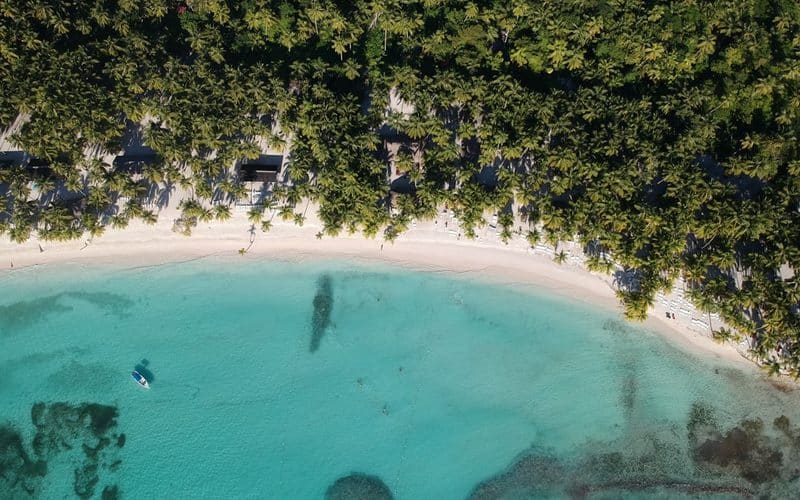
Bavaro is the original Punta Cana tourist zone, running along the beach from El Cortecito north through Los Corales. The strip has a lived-in, mixed character: tourist bars and restaurants alongside local businesses, with a beach culture that runs from sunrise snorkeling to late-night drinking. The nightlife here is accessible and established, with a mostly international crowd.
Downtown Punta Cana is the commercial and residential center of the municipality, built around the Blue Mall and the commercial corridors on either side. The nightlife here is more Dominican in character, with reggaeton-heavy clubs, sports bars, and a younger local crowd. Less tourist-oriented, more representative of how Dominicans actually socialize.
Safety
Punta Cana is one of the safer areas of the Dominican Republic for foreign visitors, largely because the tourism economy depends on maintaining that perception. Specific concerns:
The overcharging taxi run: Taxis in and around Punta Cana target tourists with inflated fares, especially from the airport or resort exits. Always negotiate the fare before getting in. Airport taxis from Punta Cana International to El Cortecito run about 1,500-2,500 DOP (USD 26-43). If the driver won't discuss price, use the next one.
- Petty theft at the beach. El Cortecito and the Los Corales beach strip have known issues with bag snatches and theft from unattended belongings. Don't leave valuables on beach chairs
- Drink spiking. Reported at several beach bars and clubs in the resort zone. Don't leave your drink unattended
- Freelancer targeting of solo male tourists. The beach strip and certain bars attract women who seek foreign customers. Interactions can begin casually and shift quickly. Understand the dynamic
- Fake tour operators. Unsolicited offers for excursions, transfers, and activities from street-level touts frequently lead to disappointing service. Book through your hotel or established agencies
- Motoconchos at night. Motorcycle taxis are fine during the day. At night, particularly after drinking, they're a significant accident risk
Costs and Pricing
Punta Cana is priced slightly higher than Sosua and significantly cheaper than comparable resort destinations in Mexico or the Caribbean.
At El Cortecito beach bars, a Presidente beer costs 200-300 DOP (roughly USD 3.50-5). Cocktails run 400-600 DOP (USD 7-10). Many venues post prices in both DOP and USD and accept both. The all-inclusive mindset of resort guests inflates expectations; independent bars at El Cortecito are competitively priced by Caribbean standards.
In Downtown Punta Cana, drinks are cheaper, reflecting the more local clientele. A Presidente at a neighborhood bar runs 150-200 DOP. Entry at local clubs ranges from free (for women) to 300-500 DOP for men on busy nights. Bottle service at the bigger clubs starts at 3,000-5,000 DOP for local rum.
Restaurant meals at El Cortecito run 600-1,200 DOP (USD 10-21) for a main course at a mid-range restaurant. Seafood is fresh and generally good value. Budget street food goes for 200-400 DOP. A two-person dinner with drinks at a decent Bavaro restaurant costs about 2,000-3,500 DOP (USD 34-60).
Cultural Norms
Punta Cana has a different cultural texture than the rest of the Dominican Republic because it was built for and around tourism. Many residents moved here from other parts of the country to work in hotels and services. The community is diverse but less rooted than older Dominican cities.
- Spanish is essential. English is spoken in hotels and tourist-facing businesses but drops off sharply outside resort areas
- The economic relationship between foreign visitors and local service workers is pronounced and visible. Respect it rather than exploiting it
- Dominican warmth and directness apply. People are approachable and helpful; don't mistake directness for aggression
- Tipping in USD is expected in tourist-facing businesses. Hotel and resort staff often depend on tips as a significant part of their income
- Dress code outside resorts is casual but not slovenly. Shorts and sandals are fine at beach bars; some downtown clubs enforce a smarter-casual standard
Social Scene
The social scene in Punta Cana splits along the resort-versus-independent divide. Inside the all-inclusive properties, interaction is managed and structured. Outside, the Bavaro strip and downtown offer genuine, unmediated social environments.
El Cortecito is the most socially accessible area for independent travelers. The strip of restaurants and bars along the beach has a functional village feel during evening hours, with a mix of European tourists, North American expats, and Dominican service workers. The dynamic is open and approachable. Some of the longer-running bars have regular crowds of expats who treat them as local pubs.
Downtown Punta Cana is more Dominican and less managed. The clubs near the Blue Mall draw young Dominicans from the surrounding municipalities. The scene is energetic and music-driven, with reggaeton and dembow as the default. Foreigners who venture downtown are a minority and usually welcomed rather than avoided, but Spanish is necessary to navigate effectively.
Local Dating Notes
Punta Cana's social dynamics carry the same patterns as the rest of the Dominican Republic, just wrapped in resort packaging. Women who approach solo foreign men at beach bars and certain downtown clubs are often, though not always, working. The financial expectation may not be stated immediately. Calibrate your read of the situation accordingly. Organic connections with Dominicans working outside the entertainment industry require more effort but exist, particularly through daytime activities, restaurant and cafe culture, and sports-oriented social events. Be clear about your intentions and honest about expectations from the start.
Best Times
- December through April is peak tourist season, with the highest resort occupancy, the most active nightlife, and the best weather. The El Cortecito strip is busiest during this window
- June through August is the summer lull in resort bookings but brings Dominican domestic tourism, particularly from Santo Domingo. Downtown Punta Cana is livelier in this period
- Fridays and Saturdays are the busiest nights in both zones year-round
- Easter week (Semana Santa) brings massive domestic tourism; prices spike and the area is crowded. Downtown clubs run all night. The resort zone gets quiet as packages sell out months in advance
- September and October are the quietest and cheapest months, with some risk of tropical storm activity
Getting Around
- Taxis: The primary option for independent travelers. Negotiate fares before getting in. No meters. A trip across the main resort corridor costs 600-1,500 DOP
- Motoconchos: Cheaper but riskier, especially at night. Helmets rarely provided. Useful for short daytime hops
- Rental cars: Available at the airport and major hotels. Roads in the resort zone are reasonable. Driving after dark requires care
- Guaguas (shared minibuses): Cheap local transport that runs fixed routes. Functional during daylight hours; less reliable at night
- Hotel transfers: Most all-inclusive resorts run scheduled shuttles to and from the airport. Some offer excursion pickups for a fee
- Uber: Available in parts of the resort zone with variable reliability. Coverage is limited compared to Santo Domingo
What Not to Do
- Don't get in an unmarked taxi or accept rides from strangers at the airport
- Don't leave valuables unattended at El Cortecito beach
- Don't take motoconchos late at night or after drinking
- Don't assume all-inclusive pricing applies in independent bars. Check before you order
- Don't send money to people met in Punta Cana after you leave. The same long-distance-financial-drain pattern common in Sosua operates here
- Don't engage with anyone who appears underage. Dominican law is clear and enforcement is active in tourist zones
- Don't wander unfamiliar streets in downtown or beyond the resort corridor after midnight without local knowledge
- Don't book excursions from unsolicited street-level sellers
Get the Legal Status PDF, 50 countries
Newsletter signup coming soon. Check back shortly.
Flights to Punta Cana
Compare prices across airlines. Filter by stops, time, and cabin.
Airport transfer to Punta Cana
Pre-booked transfers cost about the same as a metered taxi but cut out the airport queue, the meter argument, and the "no English" routine that takes some drivers to the wrong address. Fixed price quoted before booking, driver tracks your flight, waits with a name sign at arrivals.
Book a KiwiTaxi transferRelated Guides
Bavaro
District guide to Bavaro and El Cortecito in Punta Cana: beach bars, nightlife, safety, and costs on the Dominican Republic's east coast resort strip.
Read guideDowntown Punta Cana
District guide to Downtown Punta Cana: Blue Mall clubs, sports bars, local nightlife, safety tips, and how this Dominican commercial center differs from the resort strip.
Read guideFrequently Asked Questions
Was this guide helpful?