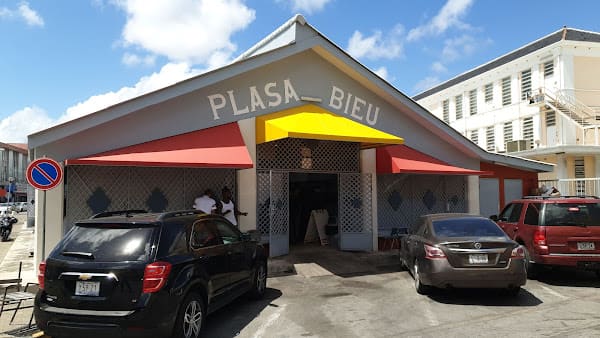
Marshe Bieu
Marshe Bieu is an open-air market hall in Punda where a handful of food stalls serve traditional Curacaoan home cooking alongside cold Amstel Bright beers from coolers. Calling it a bar stretches the definition, but the social function it serves is identical: locals come here to eat, drink, and talk. The stalls serve stewed goat (kabritu stoba), beef stew (karni stoba), fried fish, funchi (cornmeal polenta), and other dishes that represent Curacao's culinary heritage as prepared by home cooks rather than restaurant chefs. Shared tables encourage conversation between strangers, and the atmosphere is communal in a way that bars with assigned seating can't replicate. The market operates primarily during lunch hours and late afternoon, closing before the nightlife begins. Capacity is around 60 across the shared tables. The crowd is overwhelmingly local: office workers on lunch breaks, retirees, and anyone who wants authentic Curacaoan food without restaurant prices.

Where to stay near Marshe Bieu
Hotels close to Punda, Willemstad.
See places to stay and current pricesWhat to Expect
An open-air market with food stalls and shared tables. The food is home-cooked Curacaoan fare served in generous portions. The beer is cold. The atmosphere is communal and completely unpretentious. This is where Willemstad eats, not where it poses.
Communal, unpretentious, and authentically local. The shared tables and simple setting create a social environment that's more genuine than any bar.
No dedicated music. The soundtrack is conversation, cooking, and occasionally a radio playing Tumba or soca in the background.
None. This is a market. Come as you are.
Food lovers, cultural travelers, anyone wanting to eat where locals eat, budget travelers, people who value authenticity over atmosphere
Cash only (ANG preferred). No cards accepted at the stalls.
Price Range
Lunch plate ANG 15-22, beer ANG 5-8, rum ANG 5-8, water/soda ANG 3-5
Lunch plate ~$8.40-12.30/~7.70-11.25 EUR, beer ~$2.80-4.45/~2.55-4.10 EUR
Hours
10:00 AM-18:00 daily, food stalls may close earlier when food runs out. Not a nightlife venue.
Insider Tip
Go for lunch and order the kabritu stoba (goat stew) if it's available. Point at whatever looks good in the warming trays. Bring cash. Don't skip this in favor of a tourist restaurant.
Full Review
Marshe Bieu isn't a nightlife venue, and including it in a nightlife guide requires justification. Here it is: if you visit Curacao and eat only at restaurants and hotel buffets, you'll miss the most authentic culinary experience on the island. Marshe Bieu fills that gap, and the cold beer alongside the food makes it relevant to anyone building an evening that starts with substance.
The food stalls serve what Curacaoan families cook at home: slow-cooked stews, fried fish, rice and beans, funchi, and whatever else the cook decided to prepare that morning. The portions are generous, the seasoning is bold, and the prices are roughly a third of what you'd pay at a tourist restaurant for inferior versions of the same dishes. Point at what looks good in the warming trays, take a seat at the shared tables, and eat.
The goat stew (kabritu stoba) is the dish that most visitors remember. Slow-cooked until the meat falls apart, seasoned with local spices and served with funchi, it's Curacao on a plate. The beef stew (karni stoba) runs a close second. Both are served in portions that satisfy serious appetites.
The social dynamic at Marshe Bieu is its other contribution. Shared tables mean you sit next to whoever's eating, and the informality of the setting makes conversation natural. Ask a local what they ordered and why, and you'll get a food education and possibly a new acquaintance. The exchange is genuine because there's no transactional element: nobody is trying to sell you anything beyond the plate in front of you.
The beer accompaniment is simple but correct. Amstel Bright from a cooler, served cold in the bottle. It pairs with everything on the menu and costs less than you'd pay anywhere else in Willemstad.
The limitation is timing. Marshe Bieu operates during daytime hours, and the food stalls close when they run out of food, which can happen by mid-afternoon on busy days. This isn't an evening destination. The smart approach is a late lunch at Marshe Bieu, followed by sunset drinks at De Gouverneur, then an evening in Pietermaai. That progression gives you the full range of Willemstad's eating and drinking culture.
The Neighborhood
In Punda, a few blocks inland from the Handelskade waterfront. De Gouverneur, Iguana Cafe, and Habana Lounge are all within a short walk. Pietermaai is 5-7 minutes east on foot.
Getting There
Walk from the Handelskade waterfront in 3-4 minutes heading south. Any taxi to Punda will get you close. The market hall is not well-signed; ask locals for 'Marshe Bieu' or 'the old market.'
Other Venues in Punda
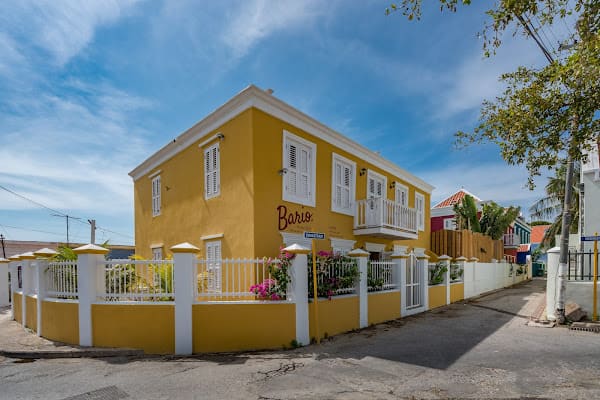
Bario Urbano
Punda's main nightclub on Hanchi Snoa street with Latin and Caribbean music across two floors. The rooftop terrace has views over the old city. Saturday night is the biggest event with a mixed local and tourist crowd.
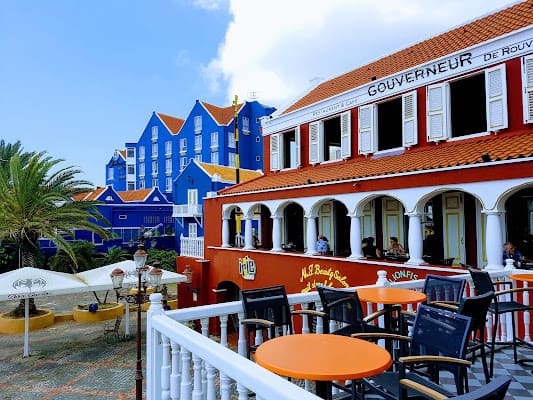
Iguana Cafe
Waterfront bar on the Handelskade with views of the Queen Emma bridge and passing ships. Tourist-friendly with a standard cocktail menu and seafood snacks. The setting carries the experience: watching the pontoon bridge swing open while sipping a rum punch.

Habana Lounge
Cuban-themed cocktail bar on a Punda side street with mojitos, Cuban cigars, and salsa music. The interior evokes a Havana drinking den with exposed brick and vintage posters. Live salsa bands play on occasional weekend nights.
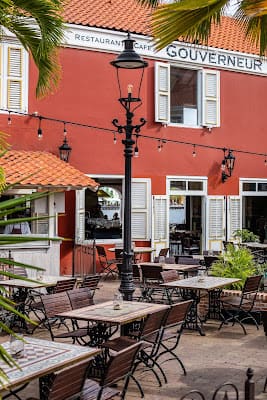
De Gouverneur
Rooftop bar overlooking the Handelskade and Sint Annabaai with one of the best sunset views in Willemstad. Craft cocktails and a wine list that's decent by Caribbean standards. Gets busy early for golden hour and stays alive into the evening.