Calle Pastor Diaz
Legal & Regulated2/5RiskyDistrict guide to Calle Pastor Diaz in Jaco, the main strip running through Costa Rica's most active beach-town nightlife scene.

Where to stay near Calle Pastor Diaz
Hotels walking distance from the venues on this page.
See places to stay and current pricesBest Nightlife Spots in the Area
Popular clubs, bars, and venues nearby
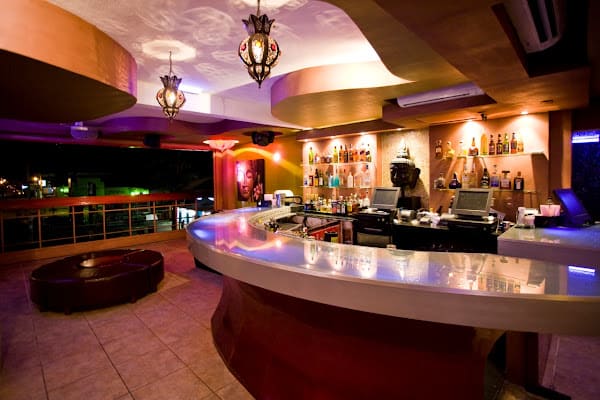
Le Loft
Jaco's main late-night club inside Crocs Resort & Casino. The only venue in town licensed to stay open past 2:30 AM, with international DJs spinning house, reggaeton, and EDM across a large dance floor.

Republik
Pool club by day, disco by night. Open Friday and Saturday from 10:30 PM, drawing a mixed crowd of tourists and locals with DJ sets, creative cocktails, and a stylish interior.
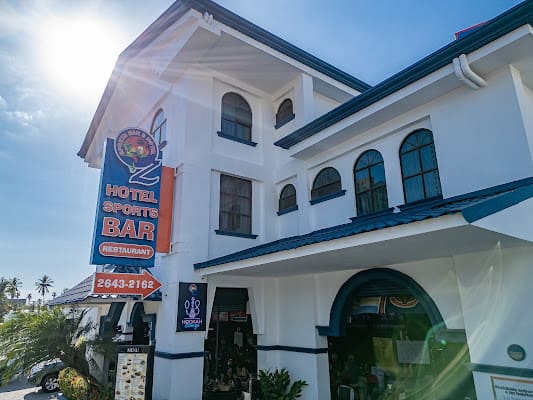
OZ Sports Bar
Central meeting point on the main strip where expats, locals, and travelers watch live sports and drink cocktails. Recently upgraded sound system and outdoor seating make it a popular warm-up spot before hitting the clubs.
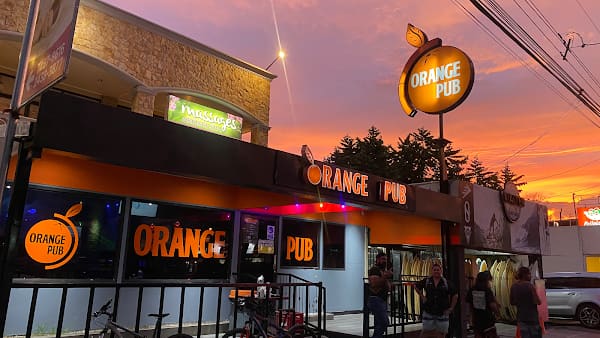
Orange Pub
Open-air bar on the Pastor Diaz strip known for its big layout, DJs playing reggaeton and Latin beats, and a loyal locals' crowd. Monday locals' night is a Jaco tradition here.
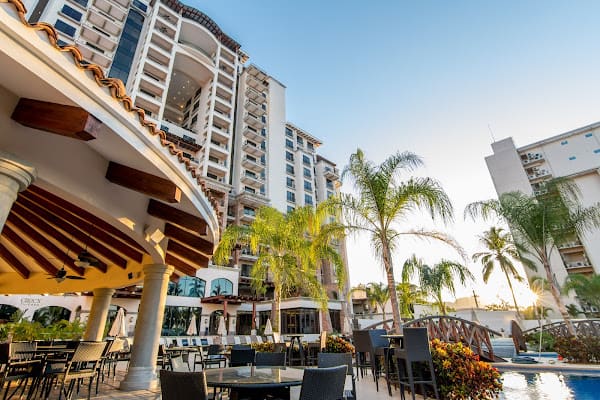
Crocs Casino
Full gaming floor with table games, slots, and a dedicated poker room inside the Crocs Resort. The attached bars serve late into the night and draw a steady crowd between club sets.
Overview and Location
Calle Pastor Diaz is the single road that defines Jaco. Running roughly two kilometers parallel to the Pacific coast, it serves as the town's main artery, commercial center, and nightlife strip all in one. Nearly every bar, club, casino, restaurant, and shop in Jaco sits on this road or within a block of it. You can walk from one end to the other in about 20 minutes, and most of the nightlife concentrates in the central and southern stretches.
This guide is based on multiple evenings spent in Calle Pastor Diaz.
Jaco sits about 90 minutes west of San Jose by car, making it the closest beach-town party destination for the capital's residents. This proximity drives a heavy weekend influx that transforms the strip from a sleepy surf town into something louder and more charged. The town draws surfers, expats, North American and European tourists, and weekend visitors from the Central Valley, creating a mix that gives the strip an international, anything-goes character.
Legal Status
Prostitution is legal in Costa Rica for consenting adults 18 and older. No specific licensing or regulatory framework governs the trade. The activity itself is lawful, but organizing, promoting, or profiting from another person's sex work is a criminal offense. Any involvement with minors carries severe penalties, and Costa Rican authorities cooperate internationally on enforcement.
In Jaco, the nightlife scene operates openly along Calle Pastor Diaz. Police presence has increased in recent years as the town has grown, but enforcement targets trafficking, drug offenses, and public disturbance rather than consensual adult interactions. The entertainment industry and conventional nightlife coexist on the same street, sometimes in the same venues, and the town doesn't attempt to separate the two. This blurring is part of Jaco's character, and first-time visitors should understand it before arriving.
Costs and Pricing
Jaco's strip runs almost entirely on US dollars. Prices at bars, restaurants, and clubs are typically quoted in USD, though the Costa Rican colon (CRC) is the official currency and accepted everywhere. The exchange rate sits around 510-520 CRC per dollar. Paying in dollars is convenient but can result in unfavorable change if you receive colones back, so carry small bills.
Drinks: Domestic beers (Imperial, Pilsen) cost USD 3-5 at most bars along the strip. Imported beers run USD 5-7. Cocktails at standard bars go for USD 6-10. Upscale venues and clubs charge USD 8-12 for cocktails. A shot of guaro costs USD 2-3. Happy hour deals are common at several bars during the early evening, typically offering two-for-one beers or discounted cocktails between 4 and 7 PM.
Cover charges: Most bars along the strip don't charge cover. Orange Pub charges around USD 4 on weekend nights. Republik, the largest club in town, has no cover most nights but charges USD 10-15 for events or after 10 PM on peak weekends. Le Loft's cover varies by night and event, typically USD 5-10. These prices can change for special events or holiday weekends.
Bottle service: Available at Republik and Le Loft, starting around USD 100 for a basic bottle. Premium options and VIP tables run USD 150-300 depending on the night and the bottle.
Food: Meals at strip-side restaurants cost USD 8-15 for casual dining. Late-night food options include pizza and tacos from smaller shops at USD 4-8. Sodas (local family restaurants) a block or two off the main road offer traditional Costa Rican meals (casados) for USD 5-8.
Accommodation: Hotels along the strip range from budget options at USD 30-50 to the Cocal Hotel and Casino at USD 60-100. High-end condos and vacation rentals near the beach run USD 100-200 per night. Choosing a hotel on or near the main strip is practical since the entire nightlife scene is walkable.
Transport: Jaco is small enough to walk everywhere along the strip. Local taxis charge USD 3-5 for rides within town. Uber is available but less reliable than in San Jose due to the town's small size.
Street-Level Detail
Walking the strip from north to south, you pass through Jaco's entire nightlife scene in about 20 minutes. The northern section is quieter, with residential properties, surf shops, and a few restaurants. The energy builds as you move into the central blocks, where the main concentration of bars and clubs sits.
The Cocal Hotel and Casino is one of the strip's most recognizable landmarks. It functions as both a hotel and a social hub, with its casino floor, Frogs Bar pool bar, and sports bar creating a self-contained hangout. The casino is casual, with minimal dress codes and a relaxed atmosphere. It draws a mix of tourists and locals throughout the evening and has been a fixture of Jaco nightlife for years.
Orange Pub, centrally located on the strip, is an open-air bar that consistently pulls a social crowd. The layout encourages mingling, and the mix of locals, expats, and tourists gives it a genuine crossroads feel. On weekends, it's one of the first places to fill up. Green Room Cafe Bar, located near Pops Ice Cream, serves double duty as a daytime brunch spot and evening venue, featuring Costa Rican craft beer and live music on Thursday through Saturday nights.
Le Loft occupies a second-story space with a rooftop terrace overlooking the strip. It's Jaco's most upscale club option, with DJs spinning house, reggaeton, and EDM. The Pacific views from the terrace add a dimension that ground-level bars can't match. Republik, the town's largest nightclub, features a modern sound system, VIP tables, a pool area, and a tunnel-style entrance. It's where the biggest weekend nights happen, with the dance floor active until 3 or 4 AM.
Black Marlin Beach Club sits near Le Loft and draws a crowd that prefers Latin music and dancing to the EDM-focused clubs. It's more of a dance hall than a lounge, with limited seating by design.
Safety
The main strip is Jaco's safe zone. Well-lit, busy with foot traffic, and lined with active businesses, it's the one part of town where walking at night is reasonable. The risks increase the moment you step off the main road, and they multiply on the beach after dark.
The beach is where most theft-related incidents in Jaco occur. The sand is unlit and unpatrolled after sunset. Robberies, sometimes involving groups, have been reported with regularity. Don't walk on the beach at night under any circumstances. This is the single most repeated safety warning for Jaco, and it deserves the emphasis.
Watch your drinks at all times. Spiking has been reported, though it's not widespread. Don't leave a drink unattended, and don't accept drinks from people you don't know. Keep your phone secure when walking; opportunistic snatching happens. Leave valuables, your passport, and extra cash in your hotel safe. If you're driving, park in a guarded lot and leave nothing visible in the vehicle, since break-ins targeting rental cars are common.
Cultural Context
Jaco's culture is a blend of Tico beach-town friendliness and international tourist influence. The town is accustomed to foreigners. English works at nearly every venue on the strip. Dress is casual in every sense: flip-flops, shorts, and a t-shirt are appropriate for almost any bar or club in town. You'd look out of place in anything formal.
The entertainment industry operates alongside conventional bars and restaurants openly, and longtime residents and visitors accept this as part of the town's identity. Not every social interaction in a Jaco bar at night is what it first appears to be, and this ambiguity is worth understanding before you arrive. People looking for purely conventional social environments should focus on the daytime surf scene, beachfront restaurants, and the expat community rather than the late-night bar circuit.
Respect goes a long way in Jaco, as it does everywhere in Costa Rica. Treat people well, communicate clearly, and you'll generally be treated well in return.
Scam Warnings
The beach robbery: Jaco's beach is the most dangerous spot in town after dark. Criminals target people walking alone or in pairs on the unlit sand. Some approaches involve groups. This isn't a theoretical risk; it happens regularly enough that local police, hotel staff, and travel guides all issue the same warning. Don't walk the beach at night. Stay on Calle Pastor Diaz.
Bar tab inflation: Some venues inflate prices or add phantom charges to tabs, especially late at night when customers are less alert. Ask for prices before ordering anything. Keep a mental count of your drinks. Pay as you go rather than running a tab, particularly at venues you haven't visited before.
The street tour guide: People approach tourists on the strip offering surf lessons, tours, or nightlife guidance. While some are legitimate operators, others are working toward a scam, whether that means steering you to an overpriced venue where they earn a commission, selling a fake tour that requires a deposit, or setting up a theft. Book any excursions through your hotel or an established operator.
Drug offers: People will approach you on the strip to sell drugs. Decline and keep walking. Buying street drugs in Costa Rica carries serious legal consequences. Beyond the legal risk, the quality of street products is unreliable and sometimes dangerous. Getting entangled with the local drug trade, even as a buyer, exposes you to criminal networks you don't want to be connected to.
Nearby Areas
Playa Hermosa: About six kilometers south of Jaco, this beach draws serious surfers with bigger, more consistent waves. The village is quieter and more laid-back than Jaco, with a handful of bars and restaurants but nothing resembling a nightlife scene. It's a solid daytime escape from the strip's energy.
Herradura and Los Suenos: The Los Suenos Resort and Marina sits in Herradura Bay, about 10 minutes north of Jaco. It's an upscale enclave with a marina, golf course, and several restaurants. The atmosphere is polished and family-oriented, a different universe from Calle Pastor Diaz.
Tarcoles: The town of Tarcoles, about 20 minutes north, is known for the crocodile bridge on the Tarcoles River. It's a popular day-trip stop for visitors driving between San Jose and Jaco.
Meeting People Nearby
For social interactions outside the entertainment economy, the surf community is Jaco's most genuine social channel. Surf schools and board rental shops along the strip create natural meeting opportunities during the day. Spending a few mornings in the water leads to organic conversations with locals, expats, and other travelers. Beachfront restaurants and the pool areas at some hotels serve as informal afternoon social hubs. The Jaco Area Community Facebook group connects expats and longer-term visitors. For a full view of Jaco's social dynamics, see the main Jaco city guide.
Best Times
- Friday and Saturday nights: Peak activity, driven by weekend visitors from San Jose
- 9 PM to 2 AM: The main nightlife window; clubs stay open until 3 or 4 AM on weekends
- December through April (dry season): Peak tourist season with the busiest strip and highest prices; temperatures between 28 and 34C
- May through November (wet season): Afternoon rain showers but clearer mornings; fewer tourists, lower prices, and better surf
- Monday and Tuesday: Quietest nights; some smaller venues close entirely
What Not to Do
- Do not walk on the beach after dark; this is the most important safety rule in Jaco
- Do not leave valuables visible in a parked car; rental vehicles are targeted for break-ins
- Do not accept drinks from people you don't know
- Do not buy or use drugs; penalties are harsh and street products are unreliable
- Do not wander off the main strip into dark residential streets at night
- Do not engage with anyone who appears to be under 18; Costa Rican law is strict and enforced internationally
- Do not ride scooters or ATVs at night, especially after drinking; road conditions are poor and accidents are common
- Do not assume the relaxed atmosphere means there are no risks; stay aware even while having a good time
Get the Legal Status PDF, 50 countries
Newsletter signup coming soon. Check back shortly.
Frequently Asked Questions
Was this guide helpful?