Barrio Antioquia
Semi-Legal1/5DangerousGuide to Barrio Antioquia, Medellin's designated tolerance zone and red-light district, with safety warnings and practical advice.

Where to stay near Barrio Antioquia
Hotels walking distance from the venues on this page.
See places to stay and current pricesWhere to Go Out
Our picks for the best nights out here

La Piscina
Open-air bar in the zona rosa section of Barrio Antioquia. Basic setup with loud reggaeton, cheap beer, and a purely local crowd. Cash only.
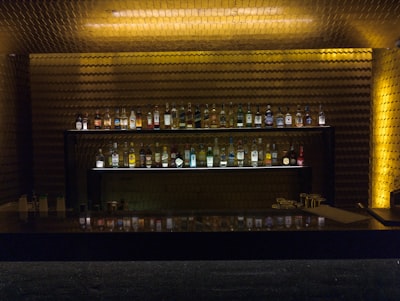
El Oasis
Larger venue in the tolerance zone with a dance floor and DJ booth. Straightforward drinks service and a late-night crowd that arrives after 11 PM.
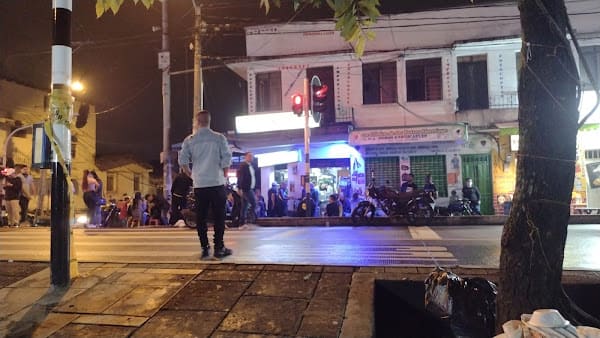
Bar La 45
Corner bar near the main strip serving aguardiente and beer at rock-bottom prices. Plastic chairs, loud speakers, and zero pretense.
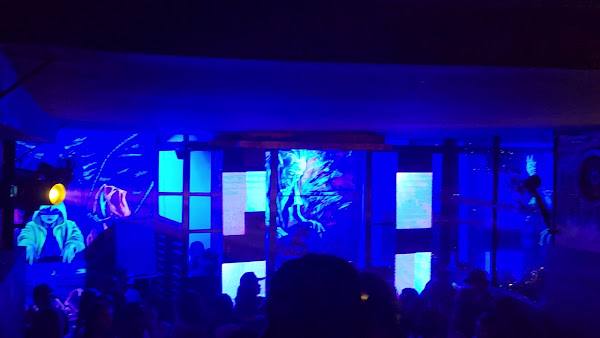
Discoteca El Paraíso
One of the bigger dance venues in the zona. Reggaeton and vallenato on rotation, with a working-class local crowd and very low drink prices.
Bar El Recuerdo
Small corner bar in the tolerance zone with a jukebox playing old vallenatos and rancheras. Regulars sit at the counter drinking aguardiente by the shot.
Las Muñecas
Street-facing bar with colored lights and a basic sound system. One of the more visible spots in the zona, open from early evening with rock-bottom beer prices.
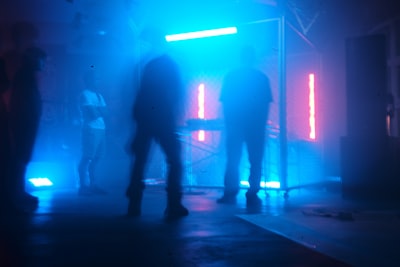
Discoteca La Rumba
Dance venue deeper in the tolerance zone playing reggaeton and champeta. Small dance floor, loud speakers, and a late-night crowd that arrives after 11 PM.
Bar El Farol
Dimly lit bar near the main strip with plastic tables and a working-class clientele. Aguardiente and beer only, no cocktails. Cash transactions exclusively.
La Cantina del Barrio
Neighborhood cantina on the edge of the tolerance zone serving cold beer and empanadas. Locals gather here before heading to the livelier spots deeper in the zona.
Overview and Location
Barrio Antioquia is a residential and commercial neighborhood located south of Medellin's downtown core, near the old Olaya Herrera airport. In 1951 a mayoral decree designated the area as Medellin's official tolerance zone for adult entertainment, a decision that transformed the neighborhood and shaped its identity for decades. The designation concentrated bars, brothels, and street-based sex work into a few square blocks that remain active today.
Venue details verified through on-site research.
The neighborhood sits in Comuna 10 (La Candelaria). It's about 3 kilometers from El Poblado and roughly 1.5 kilometers south of the city center. The surrounding streets are working-class residential blocks with small shops and informal commerce. This is not a tourist area. There are no hotels, hostels, or tourist services in the immediate vicinity. The atmosphere is markedly different from El Poblado or Laureles.
Legal Status
Colombia's Constitutional Court recognizes sex work as legitimate labor, and Medellin's tolerance zone system provides a legal framework for adult entertainment establishments to operate with municipal permits. Barrio Antioquia is the city's primary designated zone. Registered establishments within the tolerance zone hold permits and are subject to periodic health inspections and regulatory oversight.
In practice, enforcement is inconsistent. The distinction between licensed and unlicensed activity is not always clear at street level. Some establishments operate with permits, others don't. Street-based activity exists alongside bar-based services. The city has periodically cracked down on unlicensed operations, but the tolerance zone has functioned in some form since the 1950s. Workers in registered establishments technically have labor protections, though these are unevenly applied.
Costs and Pricing
Prices in Barrio Antioquia are significantly lower than in El Poblado or Laureles, reflecting the neighborhood's economic profile.
Drinks. Beer in bars costs 4,000-8,000 COP. Aguardiente by the shot runs about 3,000-5,000 COP. Cocktails, where available, cost 10,000-15,000 COP. Most establishments are straightforward drinking venues, not cocktail bars.
Cover charges. Most bars have no cover charge or charge 5,000-10,000 COP. Some charge a minimum consumption instead. The business model relies on drink sales and the transactions between workers and customers.
Services. Pricing for services varies by establishment and is typically negotiated directly. Short-time sessions in bars with attached rooms generally cost 50,000-100,000 COP. Street-based pricing runs lower. These figures are approximate and fluctuate.
Transport. An Uber from El Poblado to Barrio Antioquia costs roughly 12,000-18,000 COP. From Centro it's about 6,000-10,000 COP. Always use app-based transport. Never hail a taxi on the street in this area.
General costs. Street food and meals at local restaurants cost 8,000-15,000 COP. The neighborhood economy caters to local residents and workers, not tourists, so prices reflect Medellin's working-class baseline.
Street-Level Detail
The tolerance zone occupies a few blocks within the larger Barrio Antioquia neighborhood. Bars with colored lighting and open doorways line certain streets, with workers visible inside or standing near entrances. Some establishments have small rooms attached or upstairs. Others are purely drinking venues. The bars tend to be basic: plastic chairs, loud music, fluorescent or colored lighting, and a counter for drinks.
Street-based activity is concentrated along specific blocks, particularly after dark. Workers, mostly women, stand along the sidewalks or sit outside establishments. Male touts may approach visitors arriving by car or on foot. The atmosphere is direct and transactional with little of the ambiguity you'd find in tourist-oriented nightlife zones.
The surrounding residential streets feel like any other working-class Medellin neighborhood during the day: families, small shops, street vendors. After dark, the tolerance zone blocks take on a different character, and the surrounding residential area becomes emptier and less safe.
The neighborhood has experienced decades of stigma from the tolerance zone designation. Local residents who aren't involved in the adult entertainment industry have long pushed back against the zona's impact on their community. Drug activity and gang presence overlap with the adult entertainment economy in ways that create compounded risks.
Safety
This is a safety rating 1 area for good reason. Barrio Antioquia is one of the most dangerous neighborhoods a tourist can visit in Medellin. Armed robbery, muggings, and petty theft are common. Tourists stand out immediately and are treated as targets of opportunity. The drug economy operates alongside the adult entertainment industry, and the two can intersect unpredictably.
Scopolamine drugging happens here, as it does across Medellin's nightlife areas, but the additional risks include armed robbery on surrounding streets, confrontations with individuals involved in the drug trade, and the absence of the security infrastructure that tourist areas provide. There are no tourist police patrols, no private security guards, and no safe corridor to walk if something goes wrong.
If you go, never walk the surrounding streets on foot. Arrive and depart by app-based car directly to a specific venue. Do not carry valuables. Keep only enough cash for the evening. Tell someone where you're going.
Cultural Context
Barrio Antioquia's story is complicated. The 1951 designation turned a factory workers' neighborhood into the city's red-light district, a decision that residents didn't want and fought against at the time. Decades later, the tolerance zone is deeply embedded in the neighborhood's economy and identity, even as many residents work in entirely unrelated fields and resent the association.
The neighborhood's population includes families, working people, and long-term residents alongside the adult entertainment industry. Approaching the area with respect for the broader community matters. The people who live here are not props in someone else's adventure. Many have pushed for decades to separate their neighborhood's identity from the tolerance zone.
Colombian class dynamics are visible here. The clientele in Barrio Antioquia is predominantly local and working-class. Foreign tourists are unusual and conspicuous. Your presence will be noticed.
Scam Warnings
Robbery under threat of violence is the primary risk in Barrio Antioquia. Unlike tourist areas where scams rely on deception, crime here can be direct and physical. Visitors have been robbed at knifepoint or gunpoint on the streets surrounding the tolerance zone, particularly after dark. If confronted, comply immediately, hand over what's demanded, and leave the area.
Drink spiking. Scopolamine and other substances are used to incapacitate victims in bars. Never accept a drink you didn't watch being prepared and served to you directly.
Overcharging and extortion. Some establishments may quote one price at the door and present a different bill at the end. Individuals may demand payment for unsolicited "protection" or "guidance." Settle all prices in advance.
Bait and switch. Touts may promise specific services or prices to get you inside a venue, then change the terms once you're there. Confirm everything before entering and be prepared to leave.
Nearby Areas
Centro (Downtown). Medellin's city center lies north of Barrio Antioquia, about 1.5 kilometers away. It has commercial activity during the day but is generally unsafe after dark. The Botero Plaza and the Museum of Antioquia are the main tourist draws.
El Poblado. The main tourist zone and nightlife district is roughly 3 kilometers southeast. Parque Lleras offers a completely different nightlife experience in a much safer environment.
Laureles. A middle-class residential neighborhood west of the river with its own bar scene along Carrera 70. It's popular with longer-term visitors who prefer a more local atmosphere.
Meeting People Nearby
Barrio Antioquia is not a social district in the conventional sense. There are no cafes, coworking spaces, or casual venues where organic social interaction happens. If you're looking to meet people in Medellin, El Poblado's coffee shops and bars, Laureles' salsa venues, and the city's language exchange events provide far safer and more genuine settings. For a full overview of Medellin's social scene, see the main Medellin city guide.
Best Times
- 9 PM - 2 AM on weekends is the busiest period in the tolerance zone
- Thursday through Saturday sees the most activity
- Weekday evenings are quieter but some venues still operate
- Daytime visits to the tolerance zone blocks are pointless; the area is essentially dormant until evening
- Avoid going alone at any time, but especially after midnight when streets are emptier
What Not to Do
- Do not walk through the neighborhood on foot, day or night
- Do not carry valuables, jewelry, or expensive electronics
- Do not accept drinks, cigarettes, or food from anyone
- Do not resist if confronted by an armed robber; hand over what they want and leave
- Do not go alone under any circumstances
- Do not wander off the main tolerance zone blocks into side streets
- Do not display large amounts of cash when paying
- Do not engage with anyone who appears underage; penalties in Colombia are severe and enforced
Get the Legal Status PDF, 50 countries
Newsletter signup coming soon. Check back shortly.
Related Guides
Medellin Overview
City guide to adult nightlife in Medellin, covering key areas, safety warnings, scam awareness, and cultural context.
Read guideLaureles / La 70
District guide to Laureles and the La 70 strip in Medellin, covering nightlife, safety, costs, and cultural context for visitors.
Read guideParque Lleras
Guide to Parque Lleras in El Poblado, Medellin's main nightlife zone with bars, clubs, and safety advice for visitors.
Read guideFrequently Asked Questions
Was this guide helpful?