Sanlitun
Illegal but Tolerated4/5SafeDistrict guide to Sanlitun nightlife in Beijing, China. The capital's main bar district with clubs, live music, cocktail bars, and late-night dining.

Where to stay near Sanlitun
Hotels walking distance from the venues on this page.
See places to stay and current pricesBest Nightlife Spots in the Area
Popular clubs, bars, and venues nearby
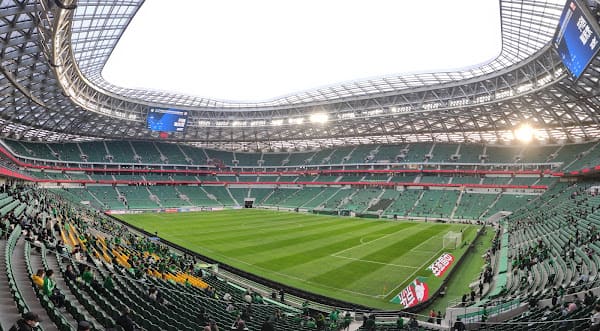
Vics
One of Sanlitun's longest-running clubs, known for its large dance floor and mix of local and international DJs. Popular with both Chinese and foreign crowds. Cover 50-150 CNY on weekends.
Workers' Stadium North Gate
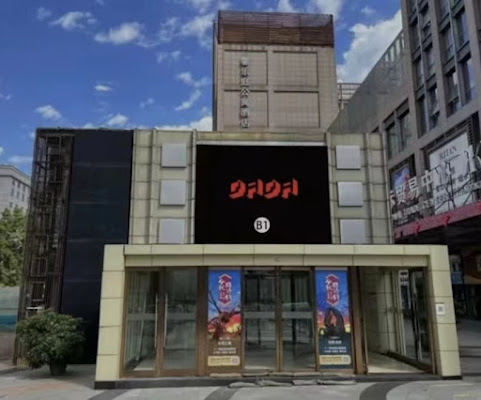
Dada Beijing
Underground club focused on electronic music, from techno to house to experimental. Small, dark, and sweaty. Beijing's most serious dancefloor for electronic music fans. Cover 40-100 CNY.
B1, 206 Gulou Dongdajie
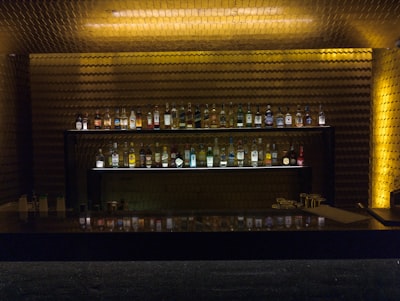
Great Leap Brewing
Beijing's pioneering craft brewery with a taproom in a converted courtyard house. Excellent local beers, a garden setting, and a crowd that ranges from expats to beer-curious locals. Pints from 40 CNY.
6 Doujiao Hutong, Sanlitun area
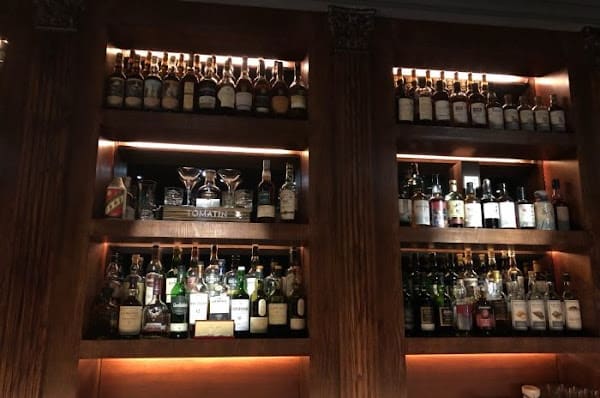
Janes + Hooch
Cocktail bar with a New York speakeasy aesthetic. Well-crafted drinks, dark wood interior, and knowledgeable bartenders. One of Sanlitun's best options for serious cocktail drinkers. Cocktails from 70 CNY.
4F, Nali Patio, 81 Sanlitun Lu
Yin Bar
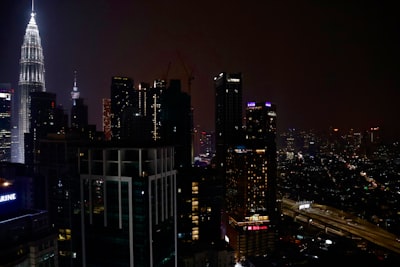
Rooftop bar atop the Opposite House hotel with views of the Sanlitun skyline. Minimalist design, creative cocktails, and a sophisticated crowd. Cocktails from 90 CNY.
Opposite House Hotel, 11 Sanlitun Lu
Overview and Location
Sanlitun is where Beijing goes out. This district in the Chaoyang area has served as the capital's international nightlife center since the 1990s, when the first bars opened along what was then called Sanlitun Bar Street. Today the scene has expanded and matured, centering on the Taikoo Li South and North shopping complexes with bars, clubs, and restaurants spreading through the surrounding blocks.
Prices confirmed through direct visits in March 2026.
The neighborhood occupies a strip roughly 1 kilometer long and a few blocks wide, bounded by the Workers' Stadium to the south and the embassy district to the north. This proximity to embassies and international companies has shaped Sanlitun's character from the start: it's the part of Beijing where foreigners feel most at home, and where English is most likely to be understood.
Legal Status
Sanlitun operates under the same legal framework as the rest of mainland China. Bars and clubs hold commercial licenses and are regulated through standard channels. The Workers' Stadium area south of Sanlitun has historically hosted the largest clubs, which operate under close government scrutiny.
As Beijing's capital status brings stricter oversight than most Chinese cities, enforcement campaigns hit Sanlitun periodically. Venues that have operated for years can close overnight during crackdowns, usually driven by political sensitivity periods or high-profile incidents. The established, well-managed venues survive these cycles. Fly-by-night operations don't.
Costs and Pricing
Sanlitun's prices are moderate and span a wide range. At casual bars and brewpubs, a local beer costs 25-40 CNY (3.50-5.60 USD). Craft beers at Great Leap and similar venues run 40-65 CNY (5.60-9.10 USD). Cocktails at regular bars cost 55-90 CNY (7.70-12.60 USD), while premium cocktail bars charge 70-130 CNY (9.80-18.20 USD).
Club covers at the Workers' Stadium venues run 50-200 CNY (7-28 USD) on weekends, usually including one or two drinks. VIP tables with bottle service start at 1,000-2,000 CNY (140-280 USD), which is comparable to or cheaper than Shanghai's equivalent.
Food in Sanlitun ranges from 15 CNY (2.10 USD) noodles at a street stall to 300 CNY (42 USD) per person at upscale restaurants in Taikoo Li. The variety is exceptional: Xinjiang lamb kebabs, Sichuan hot pot, Korean BBQ, and Japanese ramen all sit within walking distance of each other.
Street-Level Detail
Sanlitun by night has two faces. Taikoo Li South is polished and commercial, with flagship stores, restaurants, and bars arranged around an open-air plaza. The lighting is designer, the surfaces are clean, and the crowd is well-dressed. This is Beijing's version of a luxury outdoor mall, and the bars on its perimeter trade on the foot traffic.
Step behind Taikoo Li into the back streets (Sanlitun Bei Lu, the alleys east of the main complex), and the character changes. Smaller bars with hand-painted signs, noodle shops with steam pouring from their windows, and converted courtyard houses with fairy lights strung across their terraces. This is where the more interesting venues hide, and where the crowd shifts from shoppers to drinkers.
The Workers' Stadium area to the south has Beijing's largest clubs. These are big-room venues with professional sound systems, bottle service tables, and a crowd that skews young and Chinese. The atmosphere is closer to a Shanghai Bund club than a French Concession cocktail bar: loud, visual, and dominated by table culture rather than bar-counter socializing.
The district stays active from about 8 PM (early by Chinese standards) until 3-4 AM on weekends. The peak hours are 10 PM to 1 AM, after which the crowd divides between those heading home and those heading to the late-night clubs.
Safety
Sanlitun is safe. The district has heavy police presence, extensive surveillance cameras, and private security at most venues. Street crime is minimal. The risks are scam-related rather than crime-related.
The fake student scam also operates near Sanlitun. "Art students" invite you to an exhibition where you're pressured to buy overpriced work. This is a daytime scam but worth mentioning for Sanlitun visitors who explore during the day.
Cultural Norms
Sanlitun's international character means social norms are a blend of Chinese and Western. At the international bars, the atmosphere is relaxed and familiar. At the Chinese-oriented clubs near the Workers' Stadium, table culture dominates: groups book tables, order bottles, and socialize within their group rather than mingling.
If invited to join a table at a Chinese club, expect drinking games (often involving dice) and frequent toasts. The pace of consumption can be intense. Baijiu (grain liquor, 40-60% alcohol) is the traditional choice, though beer and whisky are increasingly common. Pacing yourself without appearing rude requires finesse: accept the first toast, sip subsequent ones, and express gratitude for the hospitality.
Music in Sanlitun's clubs and bars ranges from EDM and hip-hop at the large clubs to indie rock, jazz, and experimental at the smaller venues. Beijing's underground music scene has genuine depth, and the smaller Sanlitun venues are often the best places to experience it.
Practical Information
Getting there: Metro Line 10 to Tuanjiehu station, then a 10-minute walk. Or Line 2 to Dongzhimen and transfer. Taxis from the airport cost 80-120 CNY (11.20-16.80 USD) plus tolls. From central Beijing, 20-40 CNY (2.80-5.60 USD).
Best times: Friday and Saturday nights from 9 PM. Thursday has a solid showing at the more established bars. Summer evenings (June to September) add outdoor terrace options. Winter nights require commitment; the walk between venues in sub-zero temperatures tests dedication.
Transport home: Taxis queue outside the Workers' Stadium clubs after closing. DiDi works well at all hours but surge pricing applies between 1 AM and 3 AM on weekends. Budget 40-80 CNY for late-night rides to most hotel areas.
Language: English is spoken at international bars and the larger clubs. Local venues, street food stalls, and taxi drivers rarely speak English. Save your hotel address in Chinese characters on your phone. The Pleco dictionary app is useful for basic communication.
Payment: WeChat Pay and Alipay dominate. Cards work at Taikoo Li establishments but not consistently at smaller bars. Cash in CNY is always accepted. Carry 300-500 CNY as backup.
Weather: Beijing's climate is extreme. Summer evenings are warm and pleasant for outdoor drinking (25-35 degrees C). Winter is bitter (often below -10 degrees C), and outdoor seating disappears entirely. Spring (April to May) and autumn (September to October) are ideal.
Get the Legal Status PDF, 50 countries
Newsletter signup coming soon. Check back shortly.
Frequently Asked Questions
Was this guide helpful?