Entertainment District
Legal & Regulated4/5SafeDistrict guide to Toronto's Entertainment District, a mainstream nightlife zone anchored by concert venues, large clubs, and bars near the city's theatre and sports hub.

Where to stay near Entertainment District
Hotels walking distance from the venues on this page.
See places to stay and current pricesThe Nightlife Scene
Hand-picked spots in this district
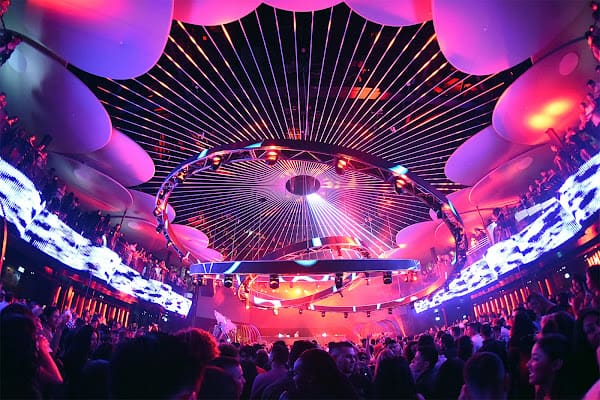
Rebel
Toronto's largest nightclub and concert venue with capacity for over 2,500. Hosts major international DJs and touring artists on the waterfront at Polson Pier.
11 Polson St, Toronto, ON M5A 1A4
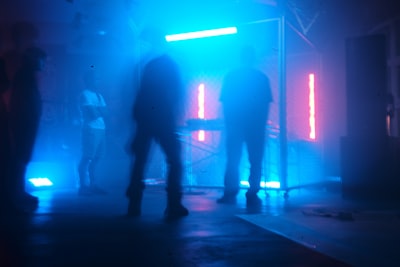
Cube
Multi-level club on Richmond Street West with a main room and mezzanine. Mainstream electronic and hip-hop programming on weekends.
314 Richmond St W, Toronto, ON M5V 1X2
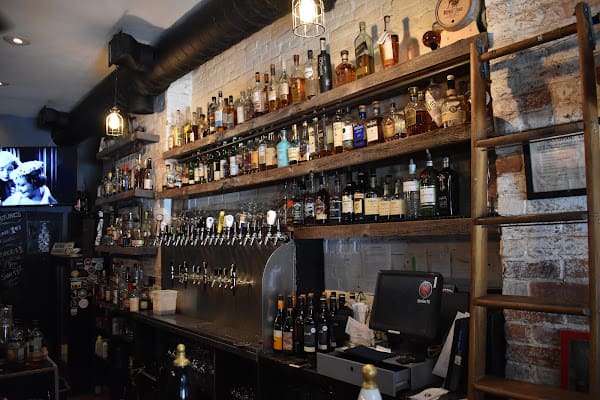
Bar Hop
Craft beer bar with an extensive rotating tap list of local and imported brews. Two locations on King West, the original being a narrow space with communal seating.
391 King St W, Toronto, ON M5V 1K1
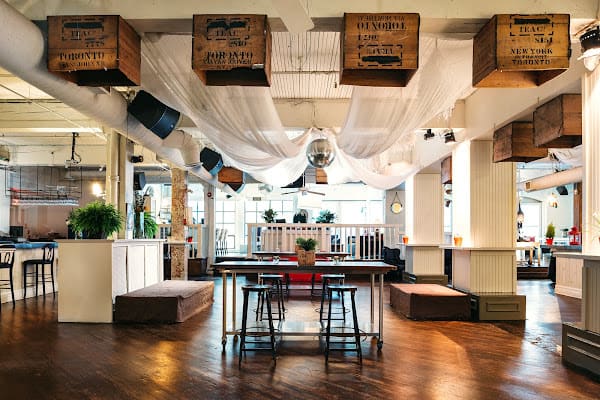
The Fifth Social Club
Rooftop-level lounge and event space accessible by elevator. Upscale crowd, strict dress code, and a mix of live performances and DJ nights.
225 Richmond St W, Toronto, ON M5V 1W2
Brassaii
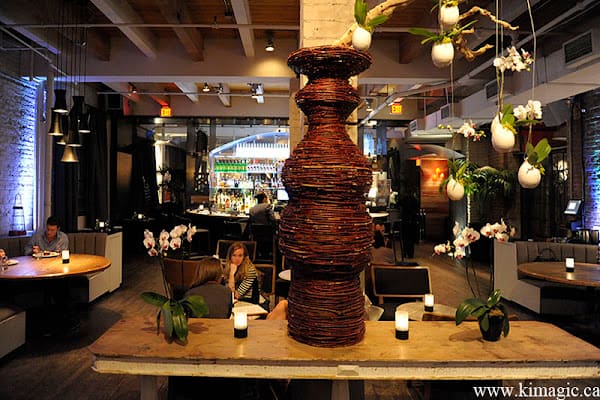
Restaurant and lounge with a large back patio that transforms into a nightlife space on weekends. Mediterranean-inspired menu and cocktail program.
461 King St W, Toronto, ON M5V 1K4
Adelaide Hall
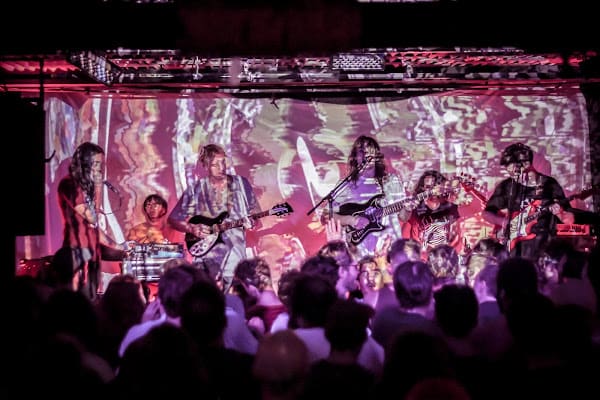
Intimate live music venue and event space hosting indie bands, electronic acts, and themed club nights. Capacity around 400 with a standing-room layout.
250 Adelaide St W, Toronto, ON M5H 1X6
Overview and Location
Toronto's Entertainment District sits south of Queen Street West and west of University Avenue, centered on John Street, Richmond Street West, and Adelaide Street West. The area takes its name from the concentration of theatres, concert halls, and sporting venues, including the Rogers Centre, Scotiabank Arena, and the TIFF Bell Lightbox. The nightlife scene feeds off these anchor attractions, drawing crowds before and after events.
Our researcher spent several nights in this area compiling notes.
The district overlaps with King West at its western edge, but the character is different. Where King West is boutique and upscale, the Entertainment District is bigger, louder, and more mainstream. The clubs have larger capacities, the music is more commercial, and the crowd is younger. This is where Toronto's university-age population goes out on weekends, along with visitors in town for concerts, games, or conventions.
The area has evolved considerably over the past decade. Former industrial spaces and surface parking lots have been converted into condominiums, and the nightlife scene has adapted accordingly. Some venues have closed under pressure from noise complaints; others have invested in soundproofing to coexist with residential neighbors.
Legal Status
Ontario's Liquor Licence and Control Act governs all venues in the district. The 2:00 AM last call is strictly observed. The Alcohol and Gaming Commission of Ontario conducts regular inspections, and venues in this high-profile area receive more scrutiny than those in quieter neighborhoods.
Capacity enforcement is particularly strict in the Entertainment District due to high-profile incidents at large venues in previous years. Venues must post their maximum capacity and maintain accurate door counts. Fire marshals conduct spot checks, especially during major events when nearby venues see surge traffic.
Noise bylaws apply and are enforced. The proximity of newer condominiums to established nightlife venues has created ongoing tension, with some venues facing restrictions on outdoor sound systems, patio hours, or bass levels. This dynamic is a defining feature of the neighborhood's current evolution.
Costs and Pricing
The Entertainment District is slightly more accessible than King West, though still expensive by Canadian standards. Cover charges at mainstream clubs range from CAD 15 to 30 on weekends. Event nights with featured DJs or performers can push covers to CAD 40 or more.
Drink prices are marginally lower than King West. Domestic beer costs CAD 9 to 11. Standard cocktails run CAD 14 to 20. Happy hour specials exist at some bars during early evening hours but disappear by 10:00 PM.
Pre-gaming at home or at cheaper bars before heading to the district is common among the local crowd, particularly students. The area's proximity to the Kensington Market neighborhood, which has cheaper bars, makes this a practical strategy.
Bottle service is available at the larger clubs, with minimums starting around CAD 400. It's less dominant here than on King West; more venues cater to general admission crowds.
Tipping follows the standard 15% to 20%. Bar staff at busy clubs may prioritize guests who tip well on their first round, which is worth knowing if the bar is three-deep.
Street-Level Detail
On a Saturday night, the Entertainment District comes alive around 10:00 PM. The streets fill with groups heading to clubs, couples leaving late dinners, and crowds spilling out of the Rogers Centre or Scotiabank Arena if there's been an event. The energy is more raw and less curated than King West.
Richmond Street West between John and Peter is the densest nightlife block. Music from multiple venues overlaps on the sidewalk, and promoters sometimes work the line outside clubs, offering reduced covers or drink specials. Lines at popular clubs can stretch 30 minutes or longer after midnight on peak nights.
The crowd is younger and more diverse than King West. University students, young professionals, and sports fans mix in roughly equal proportions on event nights. The dress code is generally more relaxed, though some upscale venues maintain smart-casual requirements.
Food options are plentiful. Late-night pizza, shawarma, and poutine shops line the streets and do strong business after midnight. These spots become informal social hubs where people congregate between venues or while waiting for rides home.
The 504 King streetcar and 501 Queen streetcar both service the area, though they run less frequently after midnight. Uber surge pricing kicks in aggressively after 2:00 AM in this zone.
Safety
The Entertainment District is safe, with some caveats tied to its large-crowd dynamics. Police maintain a visible presence on weekend nights, particularly around major venue closing times. Private security is stationed at most clubs, and well-lit streets reduce the risk of opportunistic crime.
The main safety consideration is the 2:00 AM crowd surge. When multiple large-capacity venues empty simultaneously, the streets get hectic. Minor altercations between intoxicated groups occasionally occur in this window. Moving away from the main cluster of venues within 15 minutes of last call is a simple way to avoid the worst of it.
Drink safety follows standard precautions: watch your drink being made, don't accept drinks from strangers, and don't leave your glass unattended. These precautions are universal and don't indicate an elevated local risk.
Street-level scams are rare but not unheard of. Unlicensed "promoters" occasionally approach groups with offers of VIP access or free cover; some of these are legitimate venue representatives, but others are not. If an offer sounds too good, verify it at the venue door before handing over money.
Cultural Norms
The Entertainment District's younger demographic creates a more energetic and less formal social environment than King West. Conversations between strangers happen more readily, particularly near the bar or on patios. The atmosphere is closer to a North American college-town nightlife scene than a European-style lounge culture.
Dress codes vary by venue. The larger mainstream clubs may enforce basic standards (no flip-flops, no athletic jerseys) but are more lenient than King West venues. Smaller bars and live music spots have minimal dress expectations. When in doubt, check the venue's website or social media before heading out.
Group dynamics dominate the social scene. Most patrons arrive in groups, and the social structure is group-to-group rather than individual. Approaching a group of strangers is normal here but works best when it's natural and situational rather than formulaic.
Game nights and concert nights bring a different energy to the district. The crowd is more mixed in age and intention, with many people looking for post-event drinks rather than a full night out. These nights can be good for spontaneous socializing because the shared event experience provides easy conversation starters.
Practical Information
Getting there: St. Andrew station (Line 1) and Osgoode station (Line 1) are the closest subway stops. The 504 King streetcar runs directly through the area. Uber and taxis are the most common arrival method after 10:00 PM.
Best nights: Friday and Saturday are the main nights. Event nights (concerts, games, festivals) can make any night of the week busy. Thursday has some activity at venues with student-oriented promotions.
Peak hours: Bars fill from 10:00 PM. Clubs peak between 11:30 PM and 1:30 AM. The post-2:00 AM window is chaotic and short-lived.
Seasonal notes: Summer brings patio season and increased foot traffic from tourists. The Toronto International Film Festival (September) transforms the area for about 10 days. Winter weekends remain busy indoors, though foot traffic drops significantly in January and February.
Transit after last call: The TTC subway closes around 1:30 AM on weeknights and 2:00 AM on weekends. Night buses (Blue Night Network) replace subway service and run approximately every 30 minutes. Uber is the most reliable option but expect surge pricing between 2:00 AM and 2:30 AM.
Nearby alternatives: If the Entertainment District feels too crowded or too young, Queen Street West (10-minute walk north) offers indie bars and live music in a lower-key setting. Ossington Avenue (a short ride west) has cocktail bars with no covers and a local, non-tourist crowd.
Get the Legal Status PDF, 50 countries
Newsletter signup coming soon. Check back shortly.
Related Guides
Toronto Overview
City guide to nightlife in Toronto, covering King West, the Entertainment District, safety, costs, and cultural context for visitors.
Read guideKing West
District guide to King West in Toronto, the city's premier nightlife corridor with upscale clubs, cocktail bars, and bottle-service venues.
Read guideFrequently Asked Questions
Was this guide helpful?