Liberdade
Semi-Legal2/5RiskyDistrict guide to Liberdade in Sao Paulo, the Japanese-Brazilian neighborhood with izakayas, karaoke, and discreet nightlife.

Where to stay near Liberdade
Hotels walking distance from the venues on this page.
See places to stay and current pricesBest Nightlife Spots in the Area
Popular clubs, bars, and venues nearby
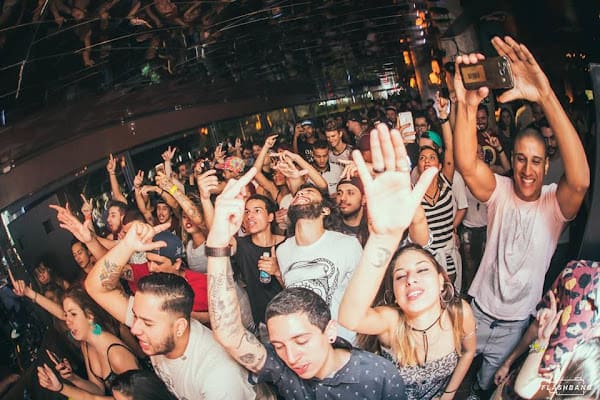
Lions Nightclub
Large multi-floor electronic music club with a rooftop area and 3D-effect dance floor. Regular lineups feature local and international DJs spinning house, techno, and Brazilian bass.
Av. Brigadeiro Luís Antônio, 277
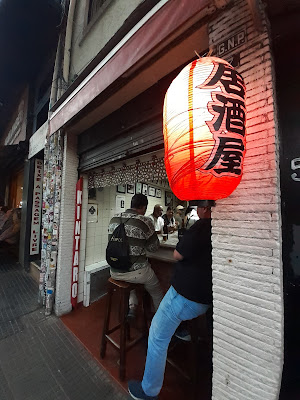
Bar Kintaro
Izakaya-style Japanese bar operating since 1993, modeled after Tokyo's drinking alleys. Serves sake, Japanese beer, and classic izakaya snacks in a no-frills setting.
Rua Thomaz Gonzaga, 57
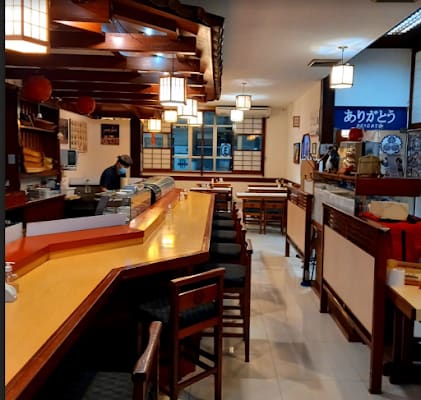
Samurai Karaokê
São Paulo's most famous karaoke box, open since 1969 across three floors with dozens of private rooms. The kitchen serves sushi, ramen, and gyoza between songs.
Rua da Glória, 608
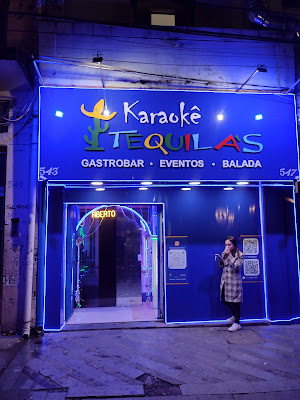
Chopperia Liberdade
Late-night bar combining karaoke, pool tables, and draft beer in a movie-set-style room with red walls and oriental lanterns. Open until 5 AM on weekends.
Rua da Glória, 523
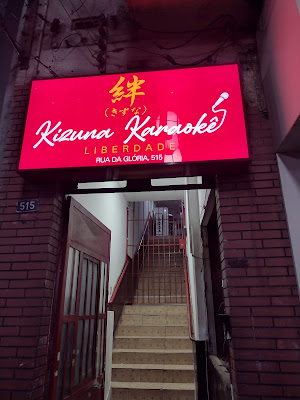
Izakaya Karaoke e Dancing
Old-school Japanese dance hall and karaoke venue popular with the local Nikkei community. Early arrivals pay a flat fee covering dinner and unlimited singing.
Rua da Glória, 515
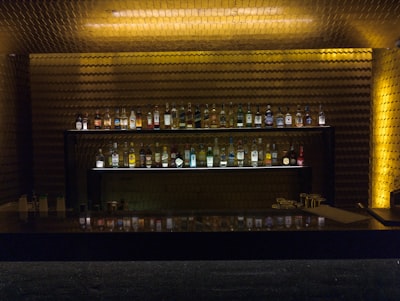
Aska Lamen
Late-night ramen shop and bar on Rua Galvao Bueno that doubles as a drinking spot after 10 PM. The counter seating fills with locals slurping tonkotsu ramen between rounds of sake.
Rua Galvão Bueno, 466
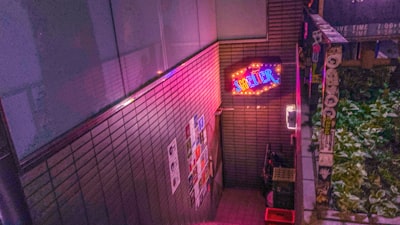
Tokyo Karaoke
Compact karaoke box with private rooms for 2 to 12 people, stocked with Japanese, Portuguese, and English song catalogs. The per-hour room rate includes a round of drinks.
Rua da Glória, 543
Seoul Pub
Korean-run bar serving soju cocktails, Korean fried chicken, and bottles of Hite beer. The small space fills up on Friday nights with a mix of Korean-Brazilians and curious visitors.
Rua dos Estudantes, 28
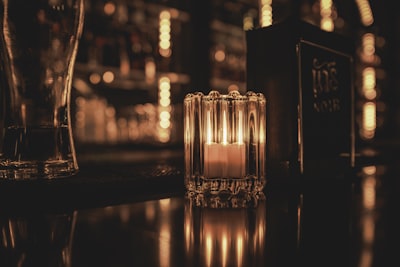
Goen Temakeria e Lounge
Japanese-fusion lounge that transitions from a temaki restaurant at dinner to a cocktail spot with DJ sets after 10 PM on weekends. The sake-based cocktails are the main draw.
Rua Galvão Bueno, 38
Bar do Japa
Casual corner bar run by a Japanese-Brazilian family, serving cold Skol on draft and homemade gyoza. A no-frills meeting point for the neighborhood's after-work crowd.
Rua Thomaz Gonzaga, 22
Overview and Location
Liberdade occupies a central position in Sao Paulo, just south of the Se cathedral and the historic downtown core. The neighborhood is home to the largest Japanese community outside Japan, along with significant Korean and Chinese populations that have settled here over the past century. Walking through Liberdade you'll pass under red torii-style gates, along streets lit by Japanese lanterns, and past storefronts selling everything from mochi to manga.
Our researcher spent several nights in this area compiling notes.
The neighborhood has two faces. By day, it's a cultural destination. Weekend street markets along Rua Galvao Bueno draw crowds browsing Asian food stalls, craft vendors, and imported goods. Restaurants serve ramen, sushi, gyoza, and regional Chinese and Korean dishes at prices well below what you'd pay in trendier neighborhoods. By night, Liberdade is quieter than most Sao Paulo entertainment districts, but it has a nightlife presence that includes izakayas, karaoke bars, and some adult entertainment venues that operate more discreetly than the scene on Rua Augusta.
Legal Status
The legal framework in Liberdade is the same as the rest of Sao Paulo and Brazil. Individual sex work is legal for consenting adults. Operating a brothel, pimping, and trafficking are criminal offenses. Some adult-oriented venues in Liberdade operate under bar or entertainment licenses, maintaining the legal fiction that separates the establishment from private arrangements between adults.
The adult entertainment presence in Liberdade is more discreet than in areas like Rua Augusta or Vila Mimosa (in Rio). Venues don't advertise openly, and the neighborhood's residential and cultural character means that complaints from locals can trigger enforcement. Police activity in the area tends to focus on drug trafficking and public safety rather than targeting adult venues specifically, but operations do occur.
Liberdade's proximity to the Se district and the rougher edges of downtown Sao Paulo means that the neighborhood borders areas with more visible street-level activity. The distinction between Liberdade proper and the adjacent blocks toward Centro is worth understanding.
Costs and Pricing
Liberdade is one of Sao Paulo's more affordable neighborhoods for food and drink.
A meal at a ramen shop or Chinese restaurant costs R$25-50. Sushi at a mid-range Japanese restaurant runs R$50-90 per person. Street market food (takoyaki, gyoza, yakisoba) costs R$10-25 per portion. Korean BBQ restaurants charge R$60-120 for a full meal with sides.
Beer at an izakaya costs R$12-20. Sake by the flask runs R$25-60. Cocktails are R$20-35 at most bars. Karaoke entry fees on Rua da Gloria range from R$10-25, with some venues bundling entry with a meal. Private karaoke rooms, where available, cost R$50-100 per hour for the room.
Adult-oriented venues in the area have entry fees that vary widely, from R$30 to R$100+, depending on the type of establishment and what's included. Services are negotiated privately.
Hotels in Liberdade start around R$120-200 per night for basic options. Mid-range hotels run R$250-400. The neighborhood's central location means you're close to everything, which keeps accommodation costs lower than in areas like Jardins or Vila Olimpia.
The metro fare is R$5 per ride. Uber from Liberdade to Vila Olimpia or Jardins runs R$15-30.
Street-Level Detail
Rua Galvao Bueno is the main commercial artery and the heart of Liberdade's cultural identity. During the day and early evening, it's packed with restaurants, shops, and the weekend street market. The atmosphere is family-friendly and tourist-oriented. This is not where adult nightlife happens, but it's a good starting point for dinner before exploring other options.
Rua da Gloria is the center of Liberdade's karaoke scene. Several venues line this street, ranging from family-friendly early-evening spots to places that take on a more adult character after 10 or 11 PM. Izakaya Karaoke Dancing at Rua da Gloria 515 is one of the more established options, with entry fees that include dinner and singing before 9 PM. Later arrivals pay separately. The crowd is mixed: Japanese-Brazilians, tourists, groups of friends, and, later in the evening, a more nightlife-oriented clientele.
Other karaoke bars on Rua da Gloria include spots at numbers 523, 543, and 608, each with slightly different pricing and atmospheres. Some charge per song (R$2-3), others charge a flat entry fee (R$10-15). The quality and cleanliness vary. Checking reviews before choosing is worthwhile.
The blocks between Rua da Gloria and Rua dos Estudantes have some adult-oriented venues operating behind discreet signage. These tend to be small, bar-style establishments rather than large clubs. The neighborhood's character means they blend into the surrounding commercial environment. Finding them typically requires prior research or local knowledge rather than stumbling upon them while walking.
Praca da Liberdade (now officially Praca da Liberdade / Praca Japao) anchors the northern end of the neighborhood near the metro station. The plaza has been renovated with Japanese garden elements, koi ponds, and a monument to Japanese immigration. It's a pleasant spot during the day but not an evening destination.
The southern edge of Liberdade toward Aclimacao is more residential and quieter. Not much nightlife here, but some good restaurants tucked into residential blocks.
Safety
Liberdade gets a safety rating of 2, reflecting its position as a central neighborhood that borders rougher areas of downtown Sao Paulo.
The edges of Liberdade blend into less safe parts of Centro. Walking north from the neighborhood toward Se or west toward Republica puts you in areas with higher street crime rates, particularly after dark. Know where Liberdade ends and Centro begins, and don't wander off the main commercial streets at night.
- Stay on well-lit main streets (Rua Galvao Bueno, Rua da Gloria, Rua dos Estudantes) when walking at night. Side streets get quiet and poorly lit
- Use Uber or 99 for transport to and from the neighborhood after dark. The metro closes around midnight
- The Liberdade metro station area can attract pickpockets and petty criminals, particularly on the stairs and platforms. Keep your belongings secure
- Don't walk toward Se or Republica from Liberdade after dark. These adjacent areas have higher crime rates
- Phone snatching is common across central Sao Paulo, including in Liberdade. Keep electronics concealed
- The weekend street market draws crowds and, with them, opportunistic pickpockets. Keep wallets in front pockets and bags in front of your body
- After midnight, the neighborhood gets significantly quieter and emptier. This is when walking becomes riskier. Finish your evening or get a car
Cultural Context
Liberdade's cultural mix creates a nightlife experience you won't find anywhere else. Japanese drinking culture meets Brazilian warmth in the izakayas. Korean BBQ restaurants serve as pre-going-out gathering points. Chinese dumpling houses stay open late enough to serve as post-club food stops.
The karaoke culture on Rua da Gloria reflects genuine Japanese-Brazilian social tradition, not a tourist gimmick. Many regulars at these venues are second and third-generation Japanese-Brazilians who grew up singing enka and J-pop alongside samba and MPB (Musica Popular Brasileira). The playlists at most karaoke bars include songs in Japanese, Portuguese, English, Korean, and sometimes Spanish.
Dress code in Liberdade is casual. This is not a neighborhood where anyone cares about what you're wearing. Comfortable clothes and practical shoes are fine for any venue.
The neighborhood's daytime cultural offerings provide context for the evening. Visiting the Japanese immigration museum, browsing the street market, and eating your way along Rua Galvao Bueno during the day gives you a foundation for understanding what makes this neighborhood distinct. It's not just "the Asian neighborhood in Sao Paulo." It's a living community with over a century of history.
Portuguese and Japanese are both useful here. English is less common than in tourist-oriented areas. Basic Portuguese phrases will serve you well. If you speak any Japanese, it will surprise and delight many locals.
Scam Warnings
Unlicensed venues near Liberdade's borders. Some establishments in the blocks between Liberdade and Se operate without proper licensing and may be connected to criminal activity. If a venue looks makeshift, has no visible security, or feels wrong, trust your instincts and leave. Stick to established, reviewed venues.
Overcharging at karaoke bars: Some venues quote prices in a way that leads to confusion, particularly for non-Portuguese speakers. Clarify whether the entry fee includes food, singing, or drinks. Ask for a price list before ordering.
Street vendors and hustlers around the metro station and Praca da Liberdade may offer counterfeit goods, fake tours, or other services. Decline and move on.
Late-night approaches: After midnight, as the neighborhood empties, individuals may approach offering to show you "where the action is." These offers should be declined. They may lead to unsafe locations or robbery setups.
Taxi scams from the metro station: Unlicensed drivers offer rides at the metro exit. Use Uber or 99 instead.
Nearby Areas
Se / Centro Historico is immediately north of Liberdade. The Se cathedral, Patio do Colegio, and historical downtown are here. Interesting by day, but requires significant caution at night.
Aclimacao borders Liberdade to the east and south. A quiet residential neighborhood with a park. Safe and calm, with some good restaurants.
Rua Augusta is a 10-15 minute Uber ride northwest. Sao Paulo's main nightlife and adult entertainment strip, with a completely different atmosphere.
Bela Vista (Bixiga) is the Italian neighborhood west of Liberdade. Good restaurants and a neighborhood feel similar to Liberdade, with some bar and nightlife options.
Meeting People Nearby
Liberdade's weekend street market is one of Sao Paulo's best casual social environments. Thousands of people browse the stalls on Sundays, and the atmosphere encourages conversation. Ramen shops and izakayas with communal seating create natural opportunities for meeting locals and visitors. The cultural festivals held in the neighborhood throughout the year (Japanese New Year, Tanabata, Obon) draw large crowds and are genuinely social events. For a full overview of Sao Paulo's social and dating scene, see the main Sao Paulo city guide.
Best Times
- Weekend street market (Saturday and Sunday): Starts around 10 AM and runs until late afternoon. The best daytime social experience in the neighborhood
- Early evening (6 PM to 9 PM): Restaurant prime time. Great for exploring the food scene before heading elsewhere
- Karaoke bars on Rua da Gloria are most active from 8 PM to midnight on Thursday through Saturday
- Friday and Saturday nights have the most nightlife activity, though it's never as intense as Vila Olimpia or Rua Augusta
- Cultural festivals (check the Japanese-Brazilian cultural calendar) bring extra energy and crowds to the neighborhood
- Avoid Sunday nights and Monday through Wednesday for nightlife. The neighborhood is very quiet on these evenings
What Not to Do
- Do not wander north from Liberdade into Se or downtown Centro after dark
- Do not walk on empty side streets at night. Stick to the main commercial strips
- Do not assume the family-friendly daytime atmosphere means the neighborhood is risk-free at night
- Do not carry valuables beyond what you need for the evening
- Do not leave drinks unattended at any bar or karaoke venue
- Do not accept invitations to unknown venues from people you've just met on the street
- Do not flash electronics on the street, especially near the metro station
- Do not engage with anyone who appears underage. Brazilian law enforcement imposes severe penalties
- Do not start arguments in karaoke bars over song choices or room assignments. It sounds trivial, but alcohol and pride can escalate quickly
- Do not expect Liberdade to be a non-stop party. It's a quieter, more discreet neighborhood that rewards patience and cultural appreciation
Get the Legal Status PDF, 50 countries
Newsletter signup coming soon. Check back shortly.
Frequently Asked Questions
Related Guides
Sao Paulo Overview
City guide to adult nightlife in Sao Paulo, covering key areas, safety warnings, scam awareness, and cultural context.
Read guideRua Augusta
Guide to Rua Augusta in Sao Paulo, the city's main nightlife strip spanning upscale Jardins to gritty Baixo Augusta.
Read guideVila Olimpia
District guide to Vila Olimpia in Sao Paulo, covering upscale nightlife, clubs, bars, safety, costs, and cultural context.
Read guideWas this guide helpful?