Rue d'Aerschot / Gare du Nord
Legal & Regulated3/5ModerateGuide to Brussels' Rue d'Aerschot and Gare du Nord area. Belgium's largest red-light district with window prostitution, nearby bars, and safety information.

Where to stay near Rue d'Aerschot / Gare du Nord
Hotels walking distance from the venues on this page.
See places to stay and current pricesBest Nightlife Spots in the Area
Popular clubs, bars, and venues nearby
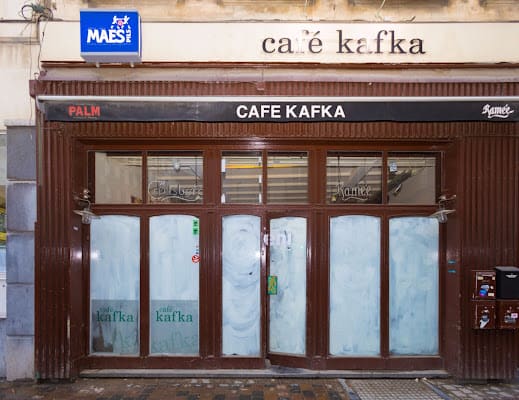
Cafe Kafka
Neighborhood bar near the Gare du Nord with cheap beer, pool tables, and a mixed local crowd. Unpretentious and functional. Beer EUR 2.50-3.50.
Rue d'Aerschot 76
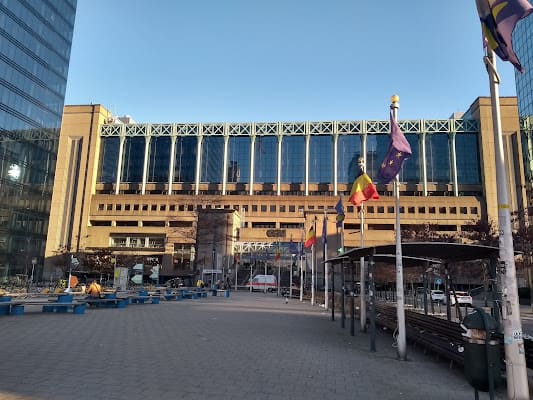
Brasserie du Nord
Traditional Brussels brasserie near the station serving Belgian classics and local beers. Good for a meal before or after exploring the area. Beer EUR 3-5.
Rue du Progres 76
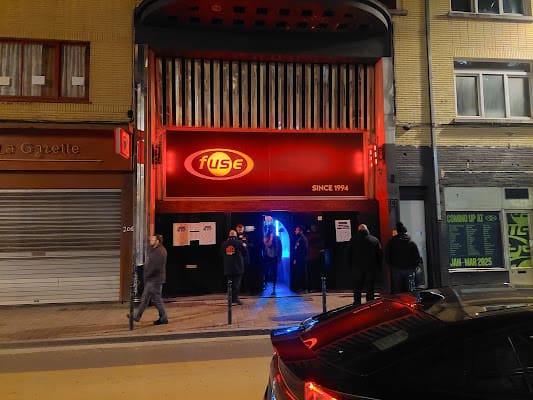
Fuse
Brussels's legendary techno club, one of Europe's oldest, operating since 1994. International DJ bookings every Saturday. Cover EUR 10-18. Located in the broader Gare du Nord area.
Rue Blaes 208
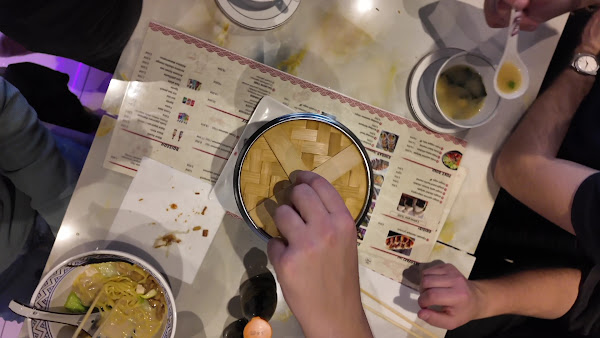
C12
Underground electronic music club in converted industrial space. Experimental bookings, raw atmosphere, and a dedicated music-first crowd. Cover EUR 8-15.
Rue du Cirque 12
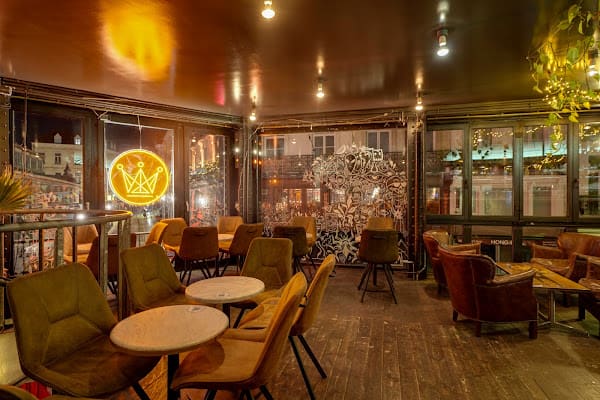
Le Roi des Belges
Corner cafe on Place Saint-Gery (nearby) with large terrace and people-watching potential. A starting point for evenings that might lead to the Gare du Nord area. Beer EUR 3.50-5.
Rue Jules Van Praet 35
Overview and Location
Rue d'Aerschot runs alongside the elevated railway tracks near Brussels North Station (Gare du Nord/Noordstation). The street and several parallel roads, including parts of Rue de Brabant and Rue d'Aarschot, form Brussels's red-light district. Ground-floor windows glow pink and purple along the street, with workers visible inside the glass, in a model that mirrors Amsterdam's De Wallen on a smaller scale.
Prices confirmed through direct visits in March 2026.
The area sits in the Schaerbeek municipality, just northeast of the city center. From the Grand Place, it's about a 15-minute walk north or a short metro ride to Gare du Nord station. The district is wedged between the station infrastructure, residential streets, and the beginning of the Schaerbeek shopping area along Rue de Brabant.
This is a working red-light district, not a tourist attraction. Unlike Amsterdam, there are no souvenir shops, guided tours, or museum exhibits here. The neighborhood serves its function without the packaging.
Legal Status
Since Belgium's 2022 decriminalization law, the Rue d'Aerschot window district operates fully within the legal framework. Workers hold registrations, undergo health checks, and have access to social security benefits. The windows are licensed by the Schaerbeek municipality, which regulates hours of operation, building standards, and hygiene requirements.
The law explicitly protects workers' rights. Coercion, exploitation, and trafficking remain serious criminal offenses, and Belgian federal police maintain dedicated units to combat these crimes. But consensual adult sex work, including the window model, is a legal profession with full labor protections.
Municipal regulations specify operating hours (typically late afternoon through early morning) and building standards for the window rooms. Workers rent the window spaces and operate independently.
Costs and Pricing
Window-based services are negotiated directly between the worker and client. Standard rates for a basic encounter run EUR 50-100, typically for 15-20 minutes. Extended sessions and specific services are priced higher. Negotiation happens at the window before any commitment.
The surrounding bar and food options are among Brussels's cheapest. Beer at neighborhood cafes costs EUR 2.50-3.50. Rue de Brabant, running parallel one block south, is Brussels's most diverse food street, with Turkish, Moroccan, and Congolese restaurants serving full meals for EUR 8-15.
Late-night food is plentiful. Shawarma and kebab shops along Rue de Brabant operate until 02:00-04:00, charging EUR 5-8 for a full plate. Frituur stands sell Belgian fries for EUR 3-4.
Street-Level Detail
Walking along Rue d'Aerschot after dark, the windows are unmistakable. Pink and blue neon outlines the glass, and workers are visible inside small, clean rooms. Each window is an independent unit, typically featuring a chair, a small bed visible behind a curtain, and basic amenities. Workers knock on the glass or gesture to attract attention from passersby.
The street itself is functional rather than atmospheric. The elevated railway tracks run overhead, and the architecture is standard Brussels brick residential. No effort has been made to glamorize or theme the area. Cars pass on the road, pedestrians walk both sides, and the occasional police car rolls through.
Rue de Brabant, one block south, is an entirely different scene. This is one of Brussels's most diverse commercial streets, packed with grocery stores, restaurants, and fabric shops run by Turkish, Moroccan, and Sub-Saharan African communities. The energy here is commercial and residential, not related to the window district at all.
The Gare du Nord station itself is a modern transit hub connecting international trains (Thalys, Eurostar) with the Brussels metro and local rail. The station interior is well-maintained, though the immediate surroundings have a transitional quality common to major European railway stations.
Safety
The window streets themselves are relatively safe during operating hours. Workers are visible through glass, transactions occur in controlled environments, and the presence of multiple people on the street creates informal surveillance.
After the windows close (typically 03:00-04:00), the streets empty and become less comfortable. Don't linger in the area after the activity has ended. Head back to central Brussels or take a taxi from the station.
The parallel streets, particularly the residential sections of Schaerbeek north of the district, are fine during the day but poorly lit at night. Stick to the main roads.
Police patrol the area regularly. Their presence is oriented toward public order and anti-trafficking rather than interfering with licensed window operations.
Cultural Norms
The window district follows specific etiquette. When a worker knocks on the glass or waves, you can approach the window to discuss services and pricing. If you're not interested, a brief shake of the head or a small wave as you walk past is sufficient. Don't stare, linger without intent, or photograph the windows.
Photography is strictly prohibited. Workers will confront anyone pointing a camera, and police will intervene. This applies to phones as well. Keep your phone in your pocket when walking through the area.
Negotiation happens at the window. Agree on price, services, and duration before entering. Payment is typically made upfront in cash.
Respect and courtesy are expected. These are professionals conducting business under legal protections. Aggressive behavior, attempts to renegotiate agreed terms, or disrespectful conduct will result in immediate ejection and potential police involvement.
Practical Information
Hours: Windows typically operate from late afternoon (around 17:00) through early morning (03:00-04:00). Peak activity is 21:00-01:00.
Getting here: Metro to Gare du Nord (lines 2, 6). The station is directly adjacent. From the Grand Place, it's a 15-minute walk or a 5-minute metro ride.
Nearby nightlife: Saint-Gery is a 15-minute walk south and offers mainstream bar nightlife as a contrast or continuation. Fuse (techno club) is further south in the Marolles area.
Cash: Bring cash in reasonable denominations. ATMs are available at Gare du Nord station. Don't carry excessive amounts.
Language: French is the primary language in this area, though many workers speak multiple languages including English, Spanish, Romanian, and others.
Get the Legal Status PDF, 50 countries
Newsletter signup coming soon. Check back shortly.
Frequently Asked Questions
Related Guides
Brussels Overview
City guide to Brussels nightlife. From Gare du Nord's red-light windows to Ixelles cocktail bars, with costs, safety tips, and Belgian beer culture.
Read guideIxelles / Matongé
Guide to Ixelles and Matongé nightlife in Brussels. Cocktail bars, African-influenced venues, and the EU capital's most diverse nightlife zone.
Read guideWas this guide helpful?