
Entertainment Districts
Pick a neighborhood to start exploring
La Marsa
3/5ModerateDistrict guide to La Marsa in Tunis, the upscale coastal suburb with beachfront bars, restaurants, and the closest thing to a real nightlife scene in the Tunisian capital.
5 nightlife spots listed
Lac District
3/5ModerateDistrict guide to the Lac District in Tunis, the modern business area with hotel bars, lounges, and nightclubs built on reclaimed land near the Tunis-Carthage airport.
5 nightlife spots listed
District Map of Tunis
Pick a district to recenter the map and see hotels nearby.
Where to stay in Tunis
Compare hotels and rentals across the city's nightlife districts.
See places to stay and current pricesOverview
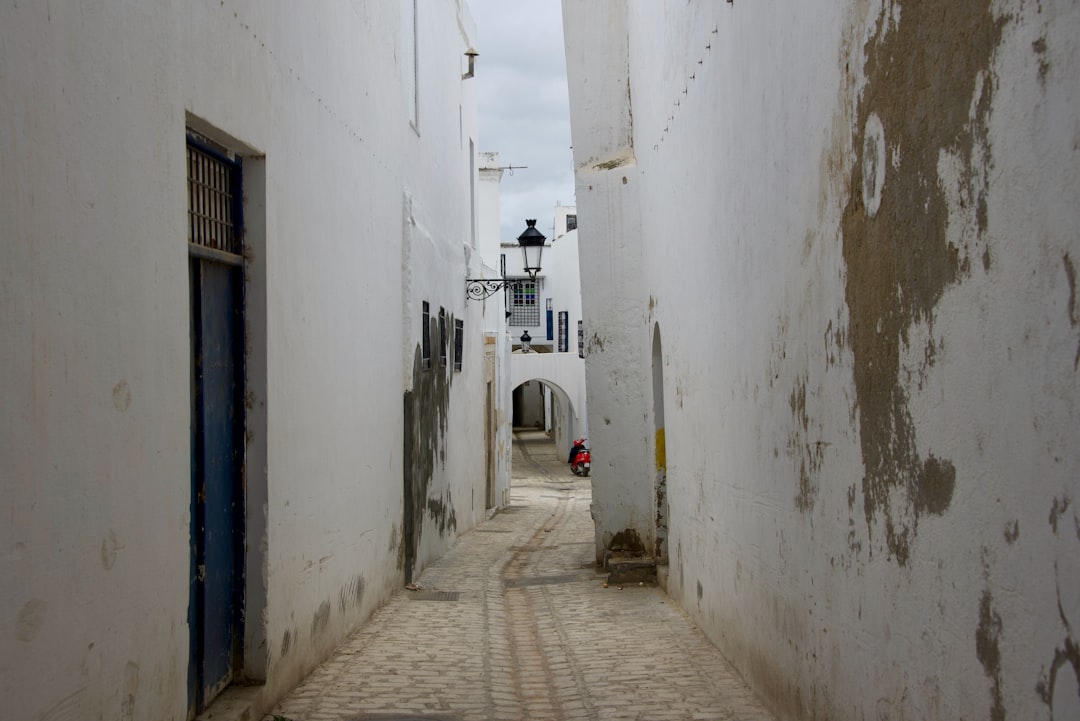
Tunis sprawls across a coastal plain between the Mediterranean Sea and the salt flats of Sebkhet Essijoumi. The city splits into several distinct zones. The UNESCO-listed medina sits at the historic center, a dense warren of alleys, mosques, and souks that shuts down after dark. The French-built ville nouvelle extends along Avenue Habib Bourguiba, the tree-lined boulevard that serves as the city's commercial spine. Modern Tunis stretches north and east, with the Lac district occupying reclaimed land near the airport and La Marsa sitting on the coast about 18 kilometers from downtown.
Prices and venue details confirmed through multiple visits.
Nightlife concentrates at the geographic extremes rather than the center. La Marsa's beachfront draws the after-dark crowd, while the Lac district hosts newer bars and clubs in a modern setting. Downtown Tunis has hotel bars and cafes along Avenue Bourguiba but limited dedicated nightlife venues. The medina offers nothing after sunset except atmosphere.
Legal Context
Tunisian law prohibits prostitution and can penalize extramarital sex in certain contexts, though enforcement is inconsistent. The country's secular legal tradition, inherited from decades of post-independence governance, creates a more permissive environment than neighboring Libya or Algeria.
Tunis operates under the same implicit bargain found in many North African capitals: what happens discreetly in private or within tourist-facing establishments draws little official interest. Police priorities focus on public order, drug trafficking, and political security rather than private adult behavior.
Alcohol service is straightforward. Any venue with a license can serve without restrictions. Bars and clubs operate late on weekends, typically until 2 or 3 AM. During Ramadan, some venues close or reduce hours, though tourist hotels generally continue service.
Key Areas
La Marsa. The upscale coastal suburb at the northern end of the TGM light rail line. Beachfront bars, restaurants, and a handful of clubs draw Tunis's social elite and expatriate community. The most active nightlife area in the capital.
Lac District. The modern business district built on reclaimed land around the Tunis Lake. Hotels, office towers, and shopping centers share space with newer bars and clubs. More accessible from central Tunis than La Marsa and favored by the business traveler crowd.
Avenue Habib Bourguiba. The main downtown boulevard has sidewalk cafes, the Hotel Africa rooftop bar, and some evening life, but it's more of a cafe scene than nightlife. Good for early evening drinks before heading to La Marsa or Lac.
Safety
Tunis requires moderate precautions, comparable to most North African capitals.
Medina navigation scams. In the old medina, locals may offer to guide you through the narrow streets, then demand payment or lead you to a shop where they earn commission. Use offline maps and stick to main thoroughfares if exploring during the day. Avoid the medina entirely after dark.
- The security situation has stabilized since the 2015 Bardo Museum attack and the 2015 Sousse beach attack. Tourist sites have increased security presence
- La Marsa and Lac are well-policed and generally safe at night. Stick to main streets and well-lit areas
- Downtown Tunis empties after 10 PM. Avenue Bourguiba is fine early evening but the side streets become quiet and poorly lit
- Petty theft occurs in crowded areas. Keep phones in front pockets and carry minimal cash
- Taxis are the safest way to move between nightlife areas at night. The TGM light rail runs to La Marsa but service becomes infrequent after 10 PM
- Emergency number: 197 for police, 190 for ambulance
Costs and Pricing
Tunis is one of the cheapest capitals in the Mediterranean region for nightlife. The Tunisian Dinar (TND) is a closed currency, trading at roughly 3.3 TND per 1 EUR and 3.1 TND per 1 USD.
Beer at a bar costs 3-6 TND (0.90-1.80 EUR / 1-2 USD). A glass of Tunisian wine runs 5-10 TND (1.50-3 EUR / 1.60-3.20 USD). Cocktails at upscale venues cost 12-25 TND (3.60-7.60 EUR / 3.90-8 USD). A bottle of spirits at a club starts around 80-120 TND (24-36 EUR / 26-39 USD).
Club entry ranges from free to 20 TND (6 EUR / 6.50 USD), sometimes including a drink. Ladies' nights with free entry for women are common on weeknights.
Street food costs 2-4 TND (0.60-1.20 EUR). A meal at a mid-range restaurant runs 15-30 TND (4.50-9 EUR / 4.80-9.70 USD). Fine dining at a La Marsa seafood restaurant costs 40-80 TND (12-24 EUR / 13-26 USD) per person.
Hotels range from 50 TND (15 EUR) for budget options to 300+ TND (91+ EUR) for international chains.
Cultural Norms
Tunisia sits at the liberal end of the Arab world, but social codes still apply.
- Dress codes are relaxed in La Marsa and Lac. Smart casual works everywhere. Beachwear stays at the beach
- Ramadan changes the rhythm of city life. Many restaurants and bars close during daylight hours. Hotel bars generally continue service for guests. The iftar meal at sunset transforms into a social event, and late-night activity picks up after 10 PM during Ramadan
- Friday is a normal workday in Tunisia (unlike most Arab countries), though some offices close early. Friday afternoon prayers slow things down briefly
- Tipping is expected. Leave 10% at restaurants and round up taxi fares
- Public displays of affection are tolerated in modern areas like La Marsa but draw stares in traditional neighborhoods
- Same-sex displays of affection carry real risk. Article 230 of the Penal Code criminalizes homosexual acts
Social Scene
Tunis has a small but engaged expatriate community, concentrated in La Marsa and the nearby suburbs of Sidi Bou Said and Gammarth. The French Institute (Institut Francais), British Council, and various cultural centers host regular events that mix locals and foreigners.
Cafe culture is strong. Tunisians spend hours at cafes, and these spaces function as the primary social gathering points. The transition from cafe to bar is natural in areas like La Marsa, where the same streets host both types of establishment.
Language exchange events happen regularly at various cafes. French-Arabic-English meetups draw a mix of students, professionals, and expats. The University of Tunis campus areas generate student-oriented social life.
Local Dating Notes
Meeting Tunisians socially is easier than in more conservative Arab countries. Mixed-gender socializing is normal in urban Tunisia. Cafes, cultural events, and shared interest groups provide natural entry points.
French remains the dominant social language among educated Tunisians. English is increasingly common among younger people but French goes further. Arabic (Tunisian Derja) connects you with a wider population and signals genuine engagement with local culture.
Getting Around
- Taxis (yellow). Metered and cheap. A ride within central Tunis costs 3-8 TND. From downtown to La Marsa, expect 10-15 TND. Insist on the meter or agree a price first
- TGM light rail. Runs from Tunis Marine station to La Marsa, passing through Carthage and Sidi Bou Said. Cheap (under 1 TND) but slow and infrequent after 10 PM
- Ride apps. Bolt operates in Tunis and is generally reliable. Pricing is similar to metered taxis
- Walking. La Marsa's nightlife strip is walkable. Downtown Tunis is walkable during the day but take taxis at night
- Rental cars. Not recommended for nighttime use. Tunisian driving habits are unpredictable and street lighting outside main roads is poor
What Not to Do
- Do not carry or use drugs. Cannabis penalties start at five years with no judicial flexibility
- Do not drink alcohol in public outside licensed venues
- Do not photograph police, military installations, or government buildings
- Do not walk through the medina after dark
- Do not carry large amounts of cash. 100-150 TND is plenty for a night out
- Do not export Tunisian Dinars. It's illegal to take the currency out of the country
- Do not assume that Tunisia's secular image means all social rules are suspended
- Do not engage with anyone who appears underage. Tunisian and international law treat this with extreme severity
Get the Legal Status PDF, 50 countries
Newsletter signup coming soon. Check back shortly.
Flights to Tunis
Compare prices across airlines. Filter by stops, time, and cabin.
Airport transfer to Tunis
Pre-booked transfers cost about the same as a metered taxi but cut out the airport queue, the meter argument, and the "no English" routine that takes some drivers to the wrong address. Fixed price quoted before booking, driver tracks your flight, waits with a name sign at arrivals.
Book a KiwiTaxi transferFrequently Asked Questions
Related Guides
La Marsa
District guide to La Marsa in Tunis, the upscale coastal suburb with beachfront bars, restaurants, and the closest thing to a real nightlife scene in the Tunisian capital.
Read guideLac District
District guide to the Lac District in Tunis, the modern business area with hotel bars, lounges, and nightclubs built on reclaimed land near the Tunis-Carthage airport.
Read guideWas this guide helpful?