Waterkant
Legal, Unregulated2/5RiskyGuide to Paramaribo's Waterkant waterfront bar district along the Suriname River, with venue details, pricing in SRD, safety advice, and practical tips.

Where to stay near Waterkant
Hotels walking distance from the venues on this page.
See places to stay and current pricesTop Spots for a Night Out
What's open and worth your time
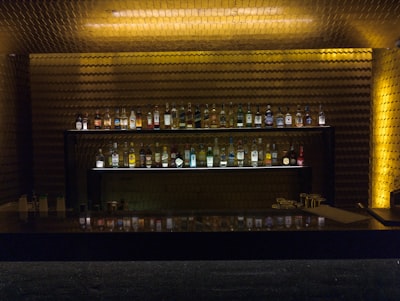
Cafe 't Vat
Long-running waterfront bar with a terrace overlooking the Suriname River. Popular with locals and expats for after-work drinks and weekend socializing. Parbo beer on tap and simple bar food.
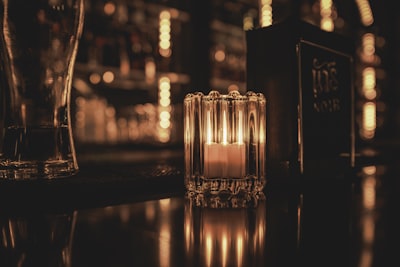
Zus & Zo
Upscale lounge and restaurant on the Waterkant with cocktails, wine, and a menu that mixes Surinamese and international dishes. The best-dressed crowd on the waterfront. Live music on some weekends.
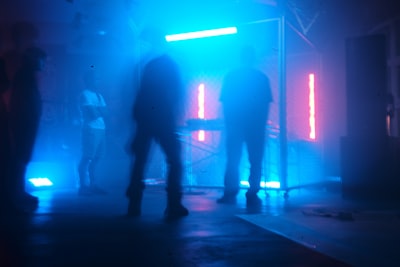
Club Touche
Paramaribo's best-known nightclub near the Waterkant area. Two floors with dancehall, soca, and Latin music rotating through the night. Gets packed after midnight on Saturdays.
De Waag
Historic bar and restaurant housed in a renovated colonial building on the waterfront. Good craft cocktails, a relaxed terrace, and a crowd that ranges from backpackers to business travelers.
Rhythm Beach Bar
Casual open-air bar with a sand floor area near the riverfront. Reggae and kaseko music, cold beer, and a laid-back vibe. The closest thing to a beach bar that Paramaribo offers.
Overview and Location
The Waterkant runs along the southern bank of the Suriname River in the heart of Paramaribo's historic district. The word means "waterside" in Dutch, and the name is literal. A row of colonial-era buildings, some carefully restored and others showing their age, faces the river across a boulevard lined with trees and benches.
We visited every venue listed below in person.
The nightlife strip covers roughly 500 meters, from the area near Fort Zeelandia in the east to the Presidential Palace neighborhood in the west. It's compact enough that you can walk between every venue in ten minutes. During the day, this stretch is quiet. After sunset on weekends, the terraces fill up and the music starts.
This is Paramaribo's living room. Locals gather here for after-work drinks, weekend dinners, and the kind of slow socializing that happens when a city is small enough that everyone eventually crosses paths. It's not flashy. It's not loud, at least not until Club Touche gets going after midnight. It's just where people go.
Legal Status
Suriname's lack of explicit anti-prostitution legislation creates a permissive environment along the Waterkant. Police presence in this area is minimal and focused on preventing robbery and public disturbance rather than policing personal behavior. The waterfront's role as a commercial and dining district means it draws a mix of tourists, locals, and expats who all coexist without much friction.
The unregulated status means there's no formal oversight of adult entertainment. Venues on the Waterkant are bars and restaurants first; anything else that happens is between consenting adults navigating an informal social environment.
Costs and Pricing
The Waterkant is moderately priced by Caribbean and South American standards.
Drinks. A Parbo beer (330ml) costs SRD 30-40 (USD 3-4, EUR 2.70-3.60) at most bars. Large Parbo (650ml) runs SRD 50-70 (USD 5-7). Imported beers cost SRD 60-90 (USD 6-9). Cocktails range from SRD 80-150 (USD 8-15, EUR 7-14) depending on the venue. Zus & Zo charges at the top end; Rhythm Beach Bar at the bottom. Local rum (Borgoe or Marienburg) by the glass costs SRD 25-40 (USD 2.50-4).
Food. Bar snacks like bitterballen (a Dutch influence) cost SRD 30-50 (USD 3-5). A full meal at a waterfront restaurant runs SRD 80-200 (USD 8-20, EUR 7-18). Roti from nearby street vendors costs SRD 40-60 (USD 4-6).
Cover charges. The bars and lounges are free. Club Touche charges SRD 50-100 (USD 5-10) on weekend nights.
Transport. A taxi from the Waterkant to hotels in central Paramaribo costs SRD 20-40 (USD 2-4). To suburban hotels, expect SRD 40-80 (USD 4-8).
Street-Level Detail
Arriving at the Waterkant from the city center, you'll approach through narrow streets lined with wooden colonial buildings painted in the faded pastels that define Paramaribo's historic core. The boulevard itself opens up to river views, and on weekend evenings you'll see terraces set up with tables, string lights, and speakers playing a rotating mix of kaseko, reggae, and Dutch pop.
Cafe 't Vat anchors the social scene. It's been here for years, and its terrace facing the river fills up first on weekend nights. The crowd is a mix of government workers, NGO staff, business owners, and expats who've made Paramaribo home. Parbo flows freely, conversations are loud, and the atmosphere is unpretentious. This is where you start the evening.
Walking west, De Waag occupies a restored colonial building that stands out architecturally. The cocktail list is a step up from standard Waterkant offerings, and the interior has been renovated with taste. The terrace draws a quieter crowd earlier in the evening that gives way to a livelier scene after 10 PM.
Zus & Zo is the upscale option. The food is genuinely good, mixing Surinamese and international influences. The cocktail program is the best on the waterfront, and the crowd dresses up a notch compared to the surrounding bars. Weekend evenings bring occasional live music, usually jazz or bossa nova, that fits the refined atmosphere.
Rhythm Beach Bar sits slightly off the main strip, closer to the river's edge. Sand has been trucked in to create a beach bar feel despite being on a riverbank. The vibe is the most casual on the Waterkant, with reggae playing from afternoon into evening and a crowd that includes younger locals and backpackers.
Club Touche is where the night ends, if it ends late. Located near the Waterkant area, this is Paramaribo's primary nightclub. Two floors with different music (soca and dancehall upstairs, more Latin-influenced downstairs) draw a crowd that shows up after midnight. The energy builds slowly and peaks around 1-2 AM on Saturdays. It's the only venue on this strip where dancing is the point.
Safety
The Waterkant is the safest nightlife area in Paramaribo, but context matters. This is still a city with significant street crime:
Don't walk to or from the Waterkant alone after dark. While the waterfront itself has people and some lighting during active hours, the streets connecting it to hotels and residential areas are dark and poorly lit. Robberies have occurred on side streets just minutes from the main strip. Use taxis.
- The waterfront is safest when it's busy, typically Friday and Saturday nights from 9 PM to midnight
- Stay on the main boulevard. Side streets and alleys are dark and unmonitored
- Keep your phone and wallet secure. Don't leave them on the table at open-air terraces
- If you drive, park in well-lit areas and don't leave valuables visible in the car
- Watch your drinks. Don't accept beverages from people you don't know
- Have your hotel's taxi number saved. Call for pickup rather than walking back
- The area empties out quickly after the bars close. Don't linger on an empty waterfront
Cultural Norms
The Waterkant is one of the few places in Suriname where all of the country's ethnic communities mix freely. On any given night, you might hear conversations in Dutch, Sranan Tongo, Hindi, Javanese, and Chinese at neighboring tables. This diversity is Paramaribo's defining feature.
Music preferences cross ethnic lines more on the Waterkant than elsewhere in the city. Kaseko, a genre unique to Suriname that blends African rhythms with European brass instruments, is the local soundtrack. Don't pretend to know it; ask about it, and you'll get enthusiastic recommendations.
Surinamese social culture values conversation. Sitting quietly at a bar nursing a drink is fine, but engaging with people around you is how the night develops. Buy a round for the people next to you, and you'll make friends fast. The Waterkant rewards openness.
The Dutch influence shows up in small ways: bitterballen as bar snacks, a certain directness in conversation, and the fact that many Surinamese have some Dutch language ability. If you speak Dutch, it opens doors immediately.
Practical Information
Getting there. From central Paramaribo hotels, the Waterkant is a SRD 20-30 (USD 2-3) taxi ride. Walking from the city center takes about 10 minutes during daylight but isn't recommended after dark.
Best nights. Friday and Saturday are peak nights. Thursday has some activity. Sunday through Wednesday the waterfront is quiet, with only a couple of venues staying open.
Hours. Terraces open for dinner around 6-7 PM. Bars get busy after 9 PM. Most close by midnight or 1 AM. Club Touche stays open until 3-4 AM on Saturdays.
Dress code. Casual across the board. The tropical climate means shorts and sandals work at most venues. Zus & Zo attracts a slightly more dressed-up crowd, but no one will turn you away in clean casual clothing.
Payment. Cash is preferred everywhere. SRD (Surinamese Dollar) is the only accepted currency. Some venues accept cards but don't count on it. ATMs are available in the city center but not directly on the Waterkant.
What Not to Do
- Do not walk alone on dark side streets near the Waterkant
- Do not leave drinks unattended
- Do not carry more cash than you need
- Do not leave valuables in plain sight at open-air tables
- Do not assume everyone speaks English. A few Dutch or Sranan Tongo words go a long way
- Do not engage with anyone who appears underage. Suriname's child protection laws apply
- Do not walk along the riverbank in unlit areas. Stick to the established terraces and bars
Get the Legal Status PDF, 50 countries
Newsletter signup coming soon. Check back shortly.
Frequently Asked Questions
Was this guide helpful?