Neighborhoods to Explore
Explore each area for detailed nightlife guides
Kitay-Gorod
3/5ModerateDistrict guide to Kitay-Gorod in Moscow, covering the bar-heavy quarter near Red Square with dozens of venues, pricing, safety tips, and practical advice.
6 nightlife spots listed
Tverskaya
3/5ModerateDistrict guide to Tverskaya in Moscow, covering upscale clubs, cocktail bars, door policies, pricing, and safety tips for Moscow's main nightlife strip.
6 nightlife spots listed
District Map of Moscow
Pick a district to recenter the map and see hotels nearby.
Where to stay in Moscow
Compare hotels and rentals across the city's nightlife districts.
See places to stay and current pricesOverview
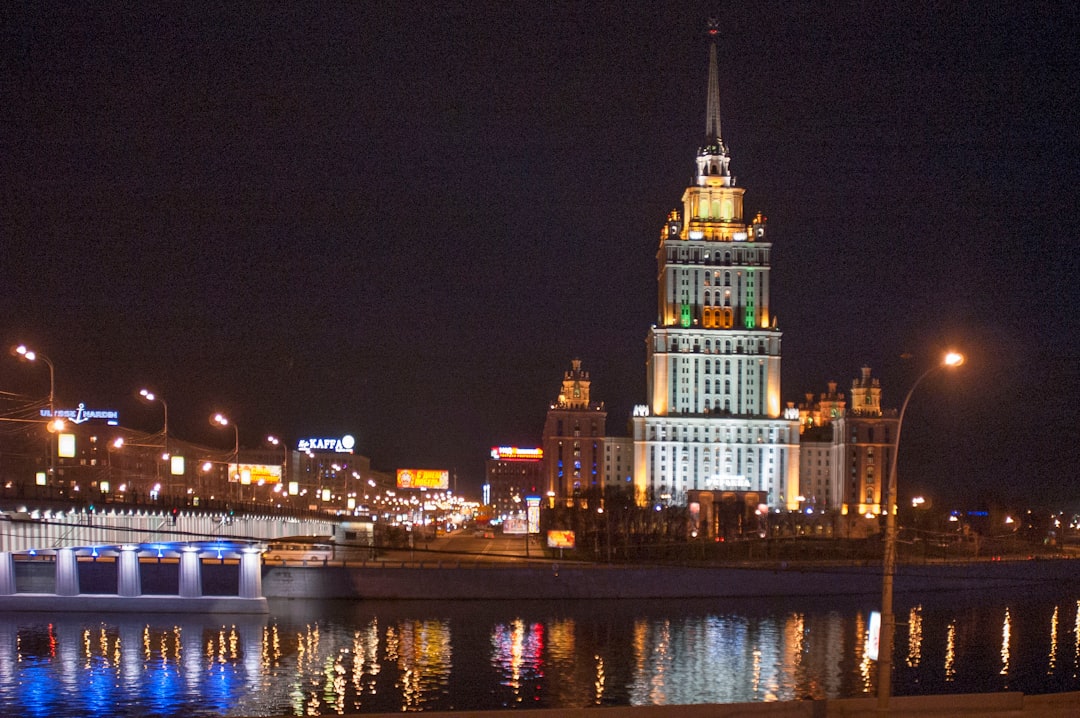
Moscow is Russia's undisputed nightlife capital and one of Europe's most intense after-dark cities. The scene ranges from ultra-exclusive clubs where table minimums run into thousands of dollars to underground bars hidden in basements and courtyards. Face control (feys kontrol) defines the elite club experience: bouncers evaluate your appearance, clothing, and perceived social status before granting entry.
Our team walked every district covered here.
The city's nightlife geography centers on a few key areas. Tverskaya Street, Moscow's main artery running from the Kremlin to Belorussky Station, anchors the upscale scene. Kitay-Gorod, the historic neighborhood east of Red Square, has become a dense bar quarter with dozens of venues in walking distance. Patriarshiye Prudy draws a more refined cocktail crowd.
Legal Context
Moscow operates under federal Russian law. Prostitution carries minor administrative fines, while organizing commercial sex is a criminal offense. In practice, escort services advertise openly online, massage parlors offering extras operate in plain sight, and strip clubs function without meaningful interference. Police enforcement tends to focus on street-level sex work and periodic raids rather than sustained suppression.
For nightlife visitors, the primary legal concern is carrying proper identification. Russian law requires foreigners to have their passport and migration card on their person at all times. Police document checks happen, especially late at night near entertainment areas.
Key Areas
Tverskaya is Moscow's premier nightlife strip. The street itself and its network of side streets host major clubs, upscale restaurants, and cocktail bars. This is where Moscow's moneyed crowd goes out, and the scene reflects that with high prices and selective door policies.
Kitay-Gorod has transformed from a quiet historic quarter into Moscow's most walkable bar district. Dozens of venues occupy the blocks between Maroseyka, Pokrovka, and Solyanka streets. The crowd is younger, more creative, and less concerned with status than the Tverskaya scene.
Safety
Moscow is generally safe in central areas, but nightlife brings specific risks:
- Use Yandex.Taxi exclusively for transportation. Never accept rides from unofficial drivers outside clubs
- Carry your passport original at all times. Police checks are legal and happen frequently near nightlife areas
- Watch your drinks. Spiking incidents occur, particularly at venues popular with foreign visitors
- Avoid confrontations with security staff. Bouncers in Moscow have significant informal power and sometimes connections to organized crime
- Metro operates until approximately 1:00 AM, with limited night bus service. Plan your exit strategy
- ATM skimming exists. Use ATMs inside banks during business hours when possible
Cultural Norms
Moscow's nightlife follows distinct social codes. Dress well; appearance matters enormously at the door and inside. Men are expected to wear shoes (not sneakers), fitted clothing, and no sportswear. Women dress up significantly, and the beauty standards are high.
Table culture dominates the club scene. Ordering a table with bottle service is often the only reliable way into premium clubs. Standing at the bar is less common than in Western venues. Groups of men without women face the toughest door policies.
Tipping is expected at bars (10% is standard) and for coat check services (100-200 RUB). Don't tip by leaving cash on the bar; hand it directly to the bartender.
Social Scene
Moscow's social scene is stratified. The ultra-wealthy occupy a separate universe of private members' clubs and villa parties. The creative class gravitates toward Kitay-Gorod's bar scene, warehouse events in converted industrial spaces, and pop-up parties announced on Telegram channels.
For foreign visitors, the most accessible social environments are the mid-range bars and international-friendly clubs. Language is a barrier; English proficiency is lower than in Western European capitals, though it's improving among younger Muscovites. Learning basic Russian phrases earns goodwill.
Networking happens through Telegram groups and word of mouth more than through Western social media. The expat community is smaller than in cities like Berlin or Barcelona but active. InterNations Moscow and various Facebook groups organize regular meetups.
Get the Legal Status PDF, 50 countries
Newsletter signup coming soon. Check back shortly.
Flights to Moscow
Compare prices across airlines. Filter by stops, time, and cabin.
Airport transfer to Moscow
Pre-booked transfers cost about the same as a metered taxi but cut out the airport queue, the meter argument, and the "no English" routine that takes some drivers to the wrong address. Fixed price quoted before booking, driver tracks your flight, waits with a name sign at arrivals.
Book a KiwiTaxi transferRelated Guides
Kitay-Gorod
District guide to Kitay-Gorod in Moscow, covering the bar-heavy quarter near Red Square with dozens of venues, pricing, safety tips, and practical advice.
Read guideTverskaya
District guide to Tverskaya in Moscow, covering upscale clubs, cocktail bars, door policies, pricing, and safety tips for Moscow's main nightlife strip.
Read guideFrequently Asked Questions
Was this guide helpful?