The Key Neighborhoods
Detailed guides for every area
Calle Uruguay
3/5ModerateDistrict guide to Calle Uruguay in Panama City, covering the main nightlife strip's clubs, lounges, safety, and practical details.
7 nightlife spots listed
Casco Viejo
3/5ModerateDistrict guide to Casco Viejo in Panama City, covering the historic old town's rooftop bars, cocktail lounges, safety, and practical details.
6 nightlife spots listed
District Map of Panama City
Pick a district to recenter the map and see hotels nearby.
Where to stay in Panama City
Compare hotels and rentals across the city's nightlife districts.
See places to stay and current pricesOverview
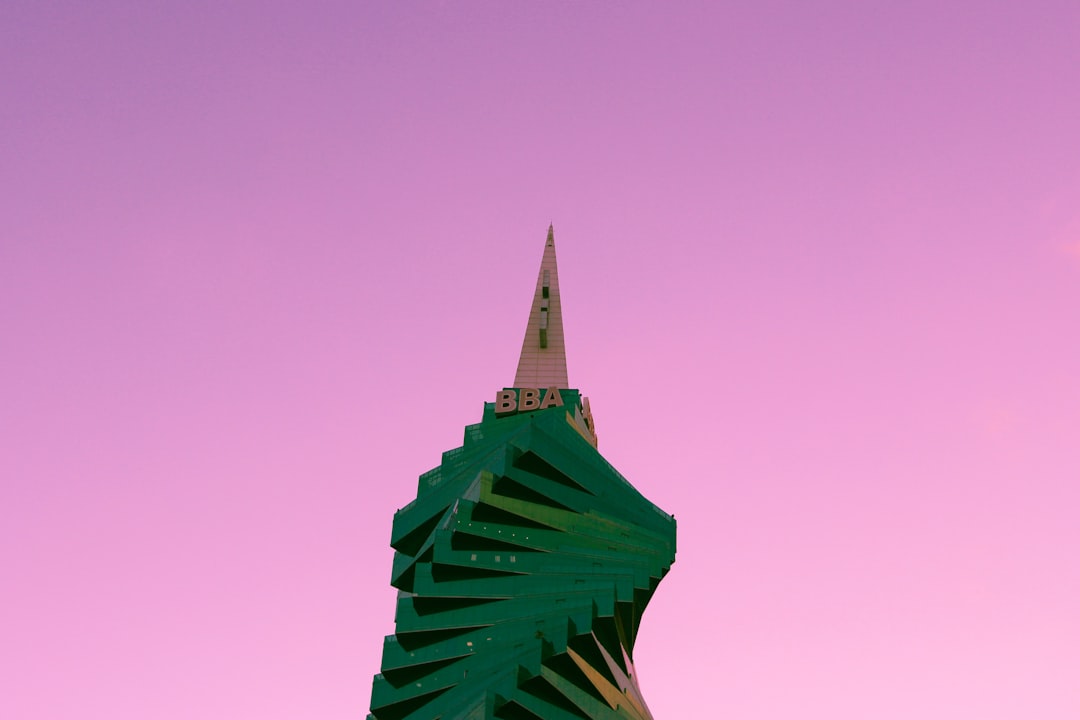
Panama City is Central America's most modern capital, a skyline of glass towers rising from the Pacific coast at the southern entrance to the Panama Canal. The metropolitan area holds over two million people and generates most of the country's wealth through banking, logistics, and canal-related commerce. For visitors, the city splits into distinct zones: the restored colonial streets of Casco Viejo, the corporate high-rises of the banking district, and the residential sprawl that connects them.
Our team walked every district covered here.
The nightlife scene punches above what you'd expect from a Central American city. Panama's dollarized economy, international business community, and proximity to Colombia and the Caribbean create a cosmopolitan mix that shows up in the bars and clubs. Prices are higher than neighboring Costa Rica or Colombia, closer to what you'd pay in Miami. The trade-off is better infrastructure, more reliable transport, and a generally safer environment than other capitals in the region.
Legal Context
Prostitution is legal in Panama for adults who carry a valid health card issued by the Ministry of Health. The system requires registration and periodic STI testing. In practice, enforcement of the registration requirement varies. Bars, clubs, and lounges in Panama City's nightlife zones operate openly. Police focus on trafficking, underage exploitation, and public disturbance rather than consensual adult transactions.
The city government periodically cracks down on specific venues or areas, usually driven by complaints from residents or international pressure on trafficking. These efforts tend to be temporary and don't change the fundamental dynamic of the scene.
Key Areas
Casco Viejo
The historic old town sits on a peninsula jutting into the Bay of Panama. UNESCO World Heritage designation has driven a decade of restoration, turning crumbling colonial buildings into boutique hotels, restaurants, and rooftop bars. The nightlife here is cocktail-focused, with a concentration of upscale venues in a walkable area. The crowd mixes wealthy Panamanians, expats, and tourists.
Calle Uruguay
This four-block stretch in the banking district is Panama City's primary club strip. Bars, clubs, lounges, and restaurants line both sides of the street, and the sidewalks fill with people on Thursday through Saturday nights. The atmosphere is louder and more club-oriented than Casco Viejo. Cover charges and drink prices reflect the upscale setting.
Other Areas
The Amador Causeway, a road connecting three small islands at the Pacific entrance to the canal, has restaurants and bars with waterfront views. It's more of a dinner and sunset drinks destination than a late-night spot. Costa del Este, a newer development east of the city center, has some restaurants and lounges popular with the professional class. The Zona Libre area near Colon should be avoided entirely.
Safety
Panama City is safer than Managua, San Salvador, or Tegucigalpa, but it still requires awareness. The neighborhoods between the nightlife zones can be dangerous after dark.
- Use Uber for all nighttime transport; it's widely available and affordable
- Yellow registered taxis are the alternative; agree on the fare before getting in
- Don't walk between Casco Viejo and the banking district at night; El Chorrillo lies between them and has one of the city's highest crime rates
- Within Casco Viejo, stay on the restored streets; some blocks away from the main plazas are still rough
- Keep your phone out of sight when walking; snatch-and-grab theft happens
- Carry only the cash you need and leave your passport at the hotel
- The banking district and Calle Uruguay are well-lit and have private security, but side streets can be empty
- Panama's heat and humidity are intense; stay hydrated, especially if drinking alcohol
Cultural Norms
Panama City's culture is more international than most Central American capitals. The canal, the banking sector, and decades of US military presence have created a city that's used to foreigners. Some things to keep in mind:
- Spanish is the primary language, but English is widely understood in nightlife areas, hotels, and the banking district
- Panamanians dress well for going out; shorts and sandals won't get you into upscale venues
- Nightlife starts late; bars fill up after 10 PM and clubs after midnight
- The work week runs Monday through Friday, and Thursday through Saturday are the peak nightlife nights
- Tipping 10% at restaurants is standard; some venues add it automatically (check your bill)
- Panamanians are proud of their country and its role in global commerce; treating Panama as a backwater won't go over well
Social Scene
Casco Viejo
The old town is Panama City's social heart for the upscale crowd. Rooftop bars overlooking the Pacific and the city skyline draw a well-dressed mix of locals and internationals. The restaurants along Calle 5 and the surrounding streets offer everything from Peruvian ceviche to French bistro fare. Weekend afternoons see brunch culture in full effect, with spots like Finca del Mar and Tomillo filling their terraces. The scene is relaxed during the day and picks up significantly after sunset.
Banking District
The cluster of towers along Calle 50 and the surrounding blocks has restaurants, bars, and coffee shops that cater to the professional crowd during the week. Happy hours on Thursday and Friday are the entry point to the weekend. The Multiplaza Pacific mall and the Soho Mall offer upscale shopping and dining in air-conditioned comfort.
Amador Causeway
The causeway connects three islands at the Pacific end of the canal and offers views of the city skyline and the Bridge of the Americas. Restaurants and bars line the road, and the area draws families, joggers, and couples during the day. Sunset drinks here are a popular date activity. The Biomuseo, designed by Frank Gehry, is worth a visit.
Expat Community
Panama City has a large and established expat community, drawn by the territorial tax system, the US dollar economy, and the relatively low cost of living compared to the United States. InterNations runs regular events. Various Facebook groups cover specific interests and nationalities. The expat scene is particularly active in the banking district, Costa del Este, and Clayton (the former US military base).
Local Dating Notes
Panama City's dating scene mirrors its split personality. The wealthy professional class dates at cocktail bars, restaurants, and rooftop venues. Young people meet through apps, friend groups, and university connections. The malls are genuine social spaces where people spend hours on weekends. Casco Viejo is the go-to first-date area for the upscale crowd, while Calle Uruguay works for later-stage dates where the energy is higher. The canal area and Amador Causeway are solid daytime date options.
Scam Warnings
Drink spiking: Reports of drink drugging surface in Panama City nightlife, particularly in venues around Calle Uruguay and in bars that attract a tourist-heavy crowd. Don't accept drinks from people you've just met, and keep your glass in your hand or in sight at all times. If you feel unusually intoxicated given what you've consumed, get to your hotel immediately and call 911 if symptoms worsen.
Taxi fare inflation: Drivers near nightlife areas and the airport may quote USD 40-50 for rides that should cost USD 15-20. Use Uber when possible. If using a taxi, agree on the fare before getting in and confirm the route. From Calle Uruguay to Casco Viejo should cost roughly USD 5-8.
The VIP scam: Promoters outside clubs may offer "free VIP entry" or special drink deals. Once inside, you find a bill for bottle service or a minimum spend you didn't agree to. Only enter venues on your own terms, and confirm any costs before sitting down in a VIP area.
Fake police: Rare but reported, individuals dressed as police approach tourists and demand to inspect wallets or documents, then take cash. Real police carry photo ID and won't ask to handle your money. If something feels off, walk toward a busy, well-lit area and call 911.
Best Times
Panama City's nightlife runs year-round without dramatic seasonal variation. The dry season (mid-December through April) is the most comfortable for visitors, with lower humidity and little rain. The rainy season (May through December) brings afternoon and evening downpours that can disrupt plans, though they usually pass within an hour or two.
- Thursday through Saturday: Peak nightlife nights
- 10 PM to 3 AM: Main activity window for bars; clubs run later
- December through February: High season for tourism; venues are busiest
- Carnival (February/March): Panama's biggest festival brings street parties and increased nightlife activity across the city
- Monday through Wednesday: Quiet; many venues close or run reduced hours
Getting Around
- Uber: The best option for nighttime transport. Widely available and cheaper than taxis
- Yellow taxis: Official registered taxis don't have meters; agree on the fare before departure
- Metro: Panama City has a modern metro system, but it doesn't serve the main nightlife areas well and stops running at 11 PM
- Walking: Safe within Casco Viejo's restored blocks and along Calle Uruguay. Don't walk between neighborhoods at night
- Rental cars: Useful for day trips to the canal or beaches, but parking in nightlife areas is limited and driving after drinking is both illegal and unwise
What Not to Do
- Don't walk between Casco Viejo and the banking district at night
- Don't carry your real passport; a photocopy or digital copy on your phone works for most situations
- Don't engage with anyone who appears to be under 18; Panamanian law is strict and enforced
- Don't leave drinks unattended in bars or clubs
- Don't flash large amounts of cash or expensive electronics
- Don't take unmarked taxis or accept rides from unofficial vehicles
- Don't wander off the restored streets in Casco Viejo into unlit residential blocks
- Don't assume every friendly approach is genuine; maintain healthy awareness
- Don't get involved with drugs; Panama is a major narcotics transit corridor and penalties are severe
- Don't resist if you're robbed; hand over your belongings and report to police afterward
Get the Legal Status PDF, 50 countries
Newsletter signup coming soon. Check back shortly.
Flights to Panama City
Compare prices across airlines. Filter by stops, time, and cabin.
Airport transfer to Panama City
Pre-booked transfers cost about the same as a metered taxi but cut out the airport queue, the meter argument, and the "no English" routine that takes some drivers to the wrong address. Fixed price quoted before booking, driver tracks your flight, waits with a name sign at arrivals.
Book a KiwiTaxi transferRelated Guides
Calle Uruguay
District guide to Calle Uruguay in Panama City, covering the main nightlife strip's clubs, lounges, safety, and practical details.
Read guideCasco Viejo
District guide to Casco Viejo in Panama City, covering the historic old town's rooftop bars, cocktail lounges, safety, and practical details.
Read guideFrequently Asked Questions
Was this guide helpful?