District Guides
Click through for street-level detail
District Map of Male / Resort Zone
Pick a district to recenter the map and see hotels nearby.
Where to stay in Male / Resort Zone
Compare hotels and rentals across the city's nightlife districts.
See places to stay and current pricesOverview
The Maldives consists of roughly 1,190 coral islands grouped into 26 atolls, stretching across the Indian Ocean southwest of Sri Lanka. Male, the capital, packs about 210,000 people onto an island just 5.8 square kilometers in size, making it one of the most densely populated places on Earth.
Local contacts verified current conditions for this guide.
The country's nightlife situation is unique globally. A strict Islamic legal framework bans alcohol and entertainment on all inhabited local islands. Resort islands operate under separate regulations that permit alcohol sales and Western-style entertainment. This creates a complete split: the local experience and the resort experience exist in parallel but never overlap.
For visitors expecting nightlife in any conventional sense, the Maldives will disappoint. What it offers instead is a controlled resort environment where bars, restaurants, and occasional entertainment exist within a premium, self-contained setting.
Legal Context
Maldivian law, based on Sharia, prohibits alcohol, pork, and "items contrary to Islam" on all local islands. Resorts hold special licenses allowing them to serve alcohol and operate bars. This license system has been in place since tourism began in the 1970s and is the foundation of the country's tourism economy.
The penalty for alcohol violations on local islands ranges from fines to imprisonment. For tourists, deportation is the most likely outcome. There is zero tolerance, and claiming ignorance of the law won't help.
All forms of sex work are illegal across the entire country, including within resort zones. Resorts are subject to Maldivian criminal law on this point, and enforcement does happen.
Key Areas
Resort Zone covers the resort islands in North and South Male Atoll, the most accessible from the capital. Each resort occupies its own island and operates independently. Entertainment options vary by resort.
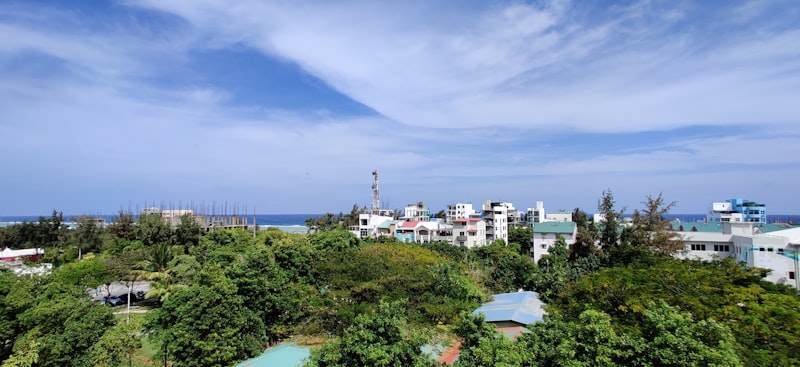
Male itself has no nightlife venues. The capital offers restaurants, cafes, and tea shops that close by 10-11 PM. Walking around Male at night is safe but there's nothing to do after dinner.
Safety
The Maldives is safe by South Asian standards, with some specific considerations.
- Resort islands are among the safest places you can stay; security is tight and incidents are rare
- Male is generally safe but crowded; watch for pickpockets in markets and busy streets
- The ocean is the primary safety risk; follow resort guidance on currents and marine life
- Political demonstrations in Male occasionally disrupt the city; avoid gatherings
- Medical facilities are limited; serious cases require evacuation to Sri Lanka or India
- If you're on a local island, respect all local laws at all times
Costs
The Maldives is one of the most expensive destinations in the world. Resort pricing reflects this.
- Beer at a resort bar: USD 10-18
- Cocktails: USD 18-35
- Glass of wine: USD 15-25
- Dinner at a resort restaurant: USD 60-150 per person
- Spa treatments: USD 100-300+
- Water sports: USD 50-200 per activity
All-inclusive packages at resorts can offset some of these costs, typically running USD 200-600 per person per day above the room rate. For heavy drinkers, the drink packages often pay for themselves.
Male is significantly cheaper. A meal in a local restaurant costs MVR 50-150 (USD 3-10 / EUR 3-9). But remember, no alcohol is available on Male.
Cultural Norms
On resort islands, Western norms largely apply. Bikinis, alcohol, and casual behavior are expected and accepted. Staff are accustomed to international tourists and won't be offended by standard vacation behavior within the resort boundary.
The moment you step off a resort and onto a local island, everything changes. Cover your shoulders and knees. Don't carry alcohol. Don't display affection publicly. Respect prayer times. Swim only on designated "bikini beaches" where they exist.
This isn't cultural sensitivity for its own sake. It's the law, and it's enforced.
Getting Around
- Speedboat transfers from Male airport (Velana International) to resorts run USD 100-400 per person depending on distance
- Seaplane transfers to distant atolls cost USD 300-600 per person round trip
- Public ferries connect Male to nearby local islands for a few dollars
- Male itself is walkable; taxis exist but the island is small enough to cross on foot in 20 minutes
Get the Legal Status PDF, 50 countries
Newsletter signup coming soon. Check back shortly.
Flights to Male / Resort Zone
Compare prices across airlines. Filter by stops, time, and cabin.
Airport transfer to Male / Resort Zone
Pre-booked transfers cost about the same as a metered taxi but cut out the airport queue, the meter argument, and the "no English" routine that takes some drivers to the wrong address. Fixed price quoted before booking, driver tracks your flight, waits with a name sign at arrivals.
Book a KiwiTaxi transferFrequently Asked Questions
Was this guide helpful?