
District Guides
Click through for street-level detail
Cocody
2/5RiskyDistrict guide to Cocody in Abidjan, covering upscale lounges, rooftop bars, and the refined nightlife scene in Ivory Coast's wealthiest commune.
4 nightlife spots listed
Zone 4
2/5RiskyDistrict guide to Zone 4 in Abidjan, covering the main nightlife strip along Boulevard de Marseille, clubs, maquis bars, and practical details for Ivory Coast's premier entertainment area.
5 nightlife spots listed
District Map of Abidjan
Pick a district to recenter the map and see hotels nearby.
Where to stay in Abidjan
Compare hotels and rentals across the city's nightlife districts.
See places to stay and current pricesOverview
Abidjan sprawls across a lagoon on the Gulf of Guinea, connected by bridges and highways that link its distinct communes into a metropolis of over 5 million people. The city is the economic engine of francophone West Africa, hosting the African Development Bank, multinational corporations, and a dense concentration of NGOs. French is the language of business and nightlife, and the cultural influence of Paris runs through everything from cuisine to fashion.
We spent 3 days in Abidjan researching this guide.
The nightlife scene is the largest in the region. Zone 4 in the Marcory commune has served as Abidjan's entertainment district for decades, concentrating clubs, bars, restaurants, and live music venues along the Boulevard de Marseille and surrounding streets. Cocody, the upscale residential commune on the lagoon's north shore, offers a more refined alternative with rooftop bars and lounge restaurants.
Legal Context
Prostitution is illegal in Ivory Coast. Abidjan's nightlife operates as conventional entertainment, with licensed bars, clubs, and restaurants. Police conduct occasional operations in Zone 4, particularly targeting street-level solicitation along certain blocks. Foreign visitors in mainstream venues face no legal concerns.
Drug laws carry serious penalties. Cannabis, despite its availability, can result in imprisonment. The police presence increases around nightlife areas on weekends.
Key Areas
Zone 4. Abidjan's primary entertainment district in the Marcory commune. Boulevard de Marseille and the surrounding streets pack in nightclubs, maquis (open-air bars), live music stages, and restaurants. This is where Abidjan goes out on weekends, and the energy is infectious.
Cocody. The upscale commune north of the lagoon, home to the university, embassies, and Abidjan's wealthier residents. Nightlife here skews toward lounges, rooftop bars, and fine dining. The crowd is older, better dressed, and spending more per head.
Treichville. The historic commercial district south of the lagoon has a raw, local nightlife scene centered on maquis and small bars. Less polished than Zone 4 and not recommended for visitors unfamiliar with Abidjan.
Safety
Abidjan has improved significantly since the political instability of the early 2010s, but it still demands awareness.
- Do not walk between venues at night. Use taxis or hotel-arranged transport
- Petty crime, phone snatching, and bag theft are common in crowded areas and around nightlife zones
- Armed robbery occurs after dark, particularly in poorly lit neighborhoods
- Keep phones out of sight when on the street. Use an inside pocket
- Drink spiking has been reported in some bars. Never leave your drink unattended
- Carry a photocopy of your passport, not the original. Police may request identification
- Avoid isolated areas near the lagoon at night
- Emergency: 110 (police), 185 (fire), 143 (medical)
Cultural Norms
Abidjan is cosmopolitan by West African standards, shaped heavily by French cultural influence.
- French is essential. English is rarely spoken in nightlife settings. Even basic French opens doors
- Dress code matters. Ivorians dress up for a night out. Men should wear smart casual at minimum, with closed shoes and trousers at upscale venues. "La sape" culture means fashion is social currency
- Buying drinks for new acquaintances is expected. Reciprocity is standard practice
- Music is central. Coupe-decale originated in Abidjan, and the city's DJs blend it with afrobeats, ndombolo, and French hip-hop. Knowing the local sound helps you connect
- Respect and courtesy go far. Greet people warmly, shake hands, and use "Monsieur/Madame"
- Homosexuality is stigmatized. Same-sex relationships are not illegal but carry heavy social consequences. Discretion is strongly advised
Transportation
- Taxis: Orange metered taxis and private hire cars. Always negotiate the fare before getting in. A cross-city trip costs XOF 2,000-5,000 ($3.20-8)
- Woro-woro (shared taxis): XOF 200-500 ($0.30-0.80) for short routes. Not recommended at night
- Gbaka (minibuses): Cheap local transport, XOF 200-500. Crowded and not advisable after dark
- Uber: Not available in Abidjan. Hotel concierge services or recommended private drivers are the safest options at night
- Driving: Traffic in Abidjan is aggressive and rules are loosely followed. Not recommended for visitors
Best Times to Visit
Abidjan's nightlife runs year-round, influenced by weather and cultural events.
- Dry season (November-March): Best period. Pleasant evenings, active social scene
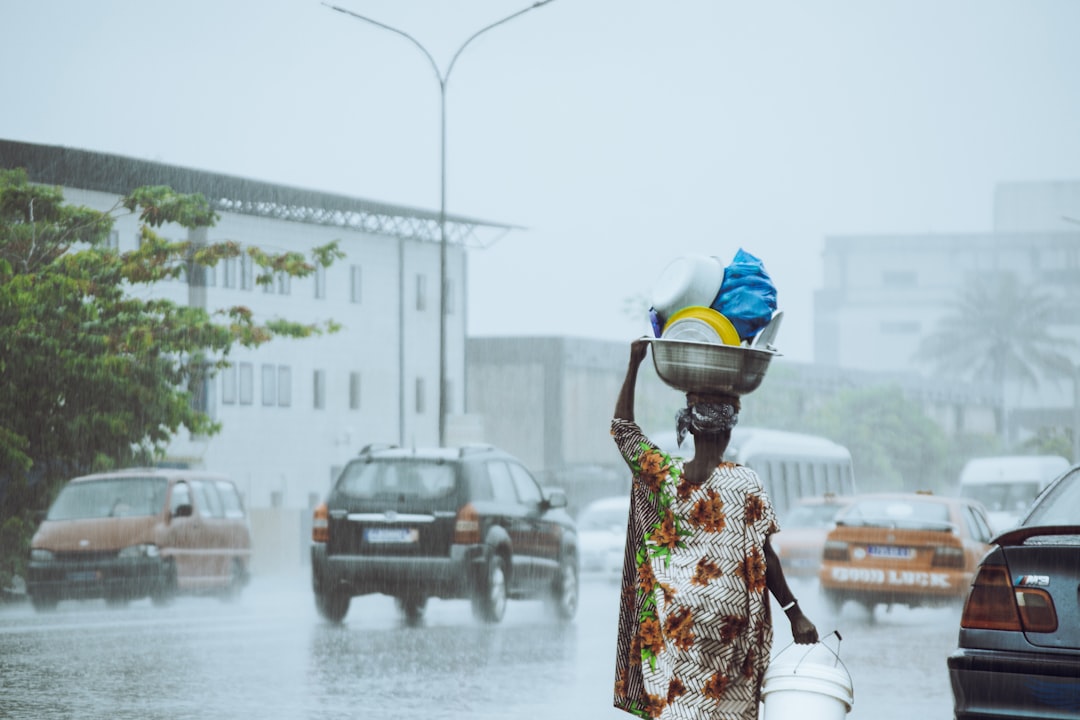
- Rainy season (April-July, October-November): Nightlife continues but flooding can disrupt transport. Heavy downpours sometimes strand patrons at venues
- December-January: Peak season. Diaspora returns from France and the nightlife reaches its most energetic
- Weekends: Friday and Saturday are the main nights. Sunday is quieter. Thursday draws an after-work crowd
Get the Legal Status PDF, 50 countries
Newsletter signup coming soon. Check back shortly.
Flights to Abidjan
Compare prices across airlines. Filter by stops, time, and cabin.
Airport transfer to Abidjan
Pre-booked transfers cost about the same as a metered taxi but cut out the airport queue, the meter argument, and the "no English" routine that takes some drivers to the wrong address. Fixed price quoted before booking, driver tracks your flight, waits with a name sign at arrivals.
Book a KiwiTaxi transferFrequently Asked Questions
Related Guides
Cocody
District guide to Cocody in Abidjan, covering upscale lounges, rooftop bars, and the refined nightlife scene in Ivory Coast's wealthiest commune.
Read guideZone 4
District guide to Zone 4 in Abidjan, covering the main nightlife strip along Boulevard de Marseille, clubs, maquis bars, and practical details for Ivory Coast's premier entertainment area.
Read guideWas this guide helpful?