
Where the Nightlife Is
Tap a district for venues, prices, and safety info
District Map of Georgetown
Pick a district to recenter the map and see hotels nearby.
Where to stay in Georgetown
Compare hotels and rentals across the city's nightlife districts.
See places to stay and current pricesOverview
Georgetown is Guyana's capital and its only city with nightlife worth visiting. The city sits below sea level on the Atlantic coast, protected by a seawall that doubles as a gathering spot for locals in the evening. About 250,000 people live in the greater metropolitan area, making it a mid-sized Caribbean capital that feels like a large town.
Local contacts verified current conditions for this guide.
The city's layout follows a colonial grid pattern established by the Dutch and expanded by the British. Wooden colonial architecture, some of it beautifully preserved and some crumbling, lines the main streets. The commercial district along Main Street and its cross-streets contains most of the bars, restaurants, and clubs that visitors will use.
Georgetown is not a tourist city. Guyana's main attractions are in the interior: Kaieteur Falls, the Rupununi savanna, and the rainforest. Visitors typically pass through Georgetown on their way somewhere else. Those who stay find a raw, unpretentious bar scene fueled by cheap rum and Caribbean music.
Legal Context
Prostitution is illegal in Guyana. The law prohibits soliciting, operating premises for sex work, and living off its proceeds. Penalties include fines and imprisonment.
In practice, enforcement in Georgetown is inconsistent. Police have limited resources and prioritize violent crime over vice operations. Some commercial areas see open solicitation after dark, and police intervention is uncommon for consensual adult activity.
The legal stance is clear on exploitation and trafficking. Guyana's Combating of Trafficking in Persons Act carries severe penalties, including life imprisonment for trafficking offenses involving minors.
Key Areas
Main Street. The primary commercial corridor and Georgetown's main nightlife strip. Bars, clubs, and restaurants concentrate along this road and its immediate side streets.
Sheriff Street. A commercial strip with restaurants and a few bars that draw a mix of locals and the small expat community. Quieter than Main Street but with a couple of decent options.
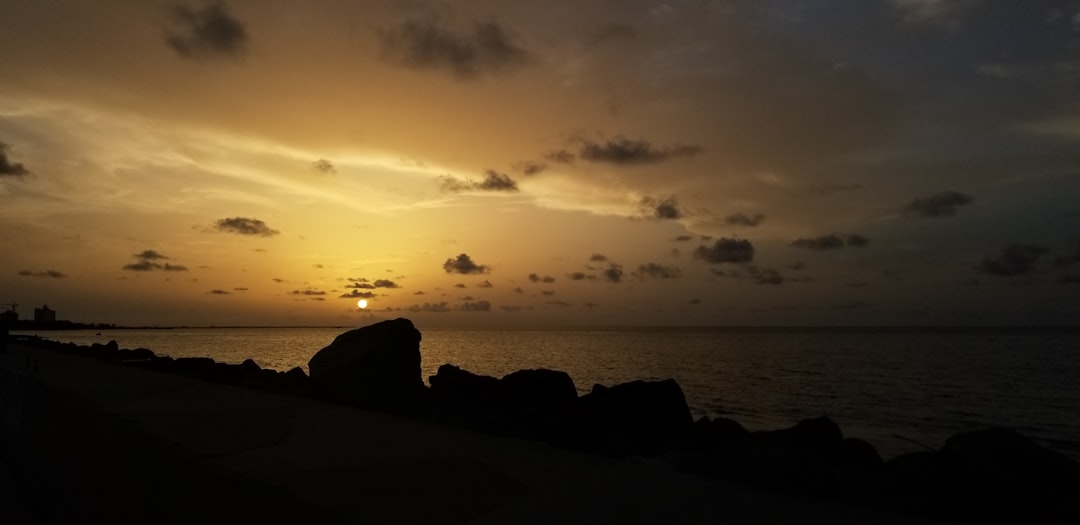
The Seawall. The Atlantic seawall is a popular evening gathering spot. Locals socialize, eat snacks from vendors, and watch the sunset. It's not nightlife in the traditional sense, but it's where Georgetown relaxes after work. Exercise caution here after full dark.
Safety
Georgetown requires serious caution, especially after dark:
Armed robbery is common in Georgetown, including in commercial and tourist areas. Criminals target people walking alone, particularly those carrying visible valuables. Do not walk alone after dark under any circumstances. Use hotel-arranged taxis for all nighttime movement.
- Armed robbery is the primary threat. It happens in broad daylight and escalates after dark
- Always use hotel-arranged or trusted taxi services. Never hail random taxis off the street
- Carry only the cash you plan to spend. Leave everything else at the hotel
- Keep your phone in your pocket, not in your hand
- Travel in groups when moving between venues
- Avoid the Tiger Bay area entirely, day or night
- Save emergency number 911 and your hotel's number in your phone, but be aware that police response times are often slow
- Medical facilities are basic. The Georgetown Public Hospital handles emergencies but standards are limited. Air evacuation to Trinidad is the option for serious cases
Costs and Pricing
Georgetown is one of the cheapest nightlife destinations in the Caribbean and South America.
Drinks. Banks beer (the national lager) costs GYD 400-600 (USD 2-3, EUR 1.80-2.70) at bars. A shot of El Dorado rum runs GYD 300-500 (USD 1.50-2.50). Mixed drinks cost GYD 500-1,000 (USD 2.50-5, EUR 2.30-4.50). A bottle of El Dorado 12-year at a bar costs GYD 8,000-12,000 (USD 40-60), a fraction of what it costs internationally.
Cover charges. Most bars charge nothing. Nightclubs on weekends charge GYD 1,000-2,000 (USD 5-10). Special events might reach GYD 3,000 (USD 15).
Food. Roti from a street vendor costs GYD 400-800 (USD 2-4). A meal at a mid-range restaurant runs GYD 2,000-4,000 (USD 10-20, EUR 9-18). Chinese restaurants are plentiful and cheap.
Transport. A taxi within Georgetown costs GYD 600-1,500 (USD 3-7.50). From Cheddi Jagan International Airport (41 km south), expect GYD 6,000-10,000 (USD 30-50).
Hotels. Budget guesthouses start at GYD 6,000-10,000 (USD 30-50). Mid-range hotels run GYD 15,000-30,000 (USD 75-150). The top-end Marriott and Pegasus run GYD 40,000+ (USD 200+).
Cultural Norms
Georgetown's cultural diversity shapes every aspect of social life:
- The Afro-Guyanese and Indo-Guyanese communities have distinct nightlife preferences. Soca, reggae, and dancehall dominate in some venues; chutney and Bollywood music in others. Mixed venues play a rotation of everything
- Rum is the social lubricant. El Dorado is a source of national pride, and Guyanese take their rum seriously. Showing appreciation for it opens doors
- Cricket is religion. Knowing the current West Indies scores gives you instant conversation material
- Guyanese are warm and direct. Conversations happen easily, and people will ask personal questions quickly. Don't take offense; it's cultural curiosity, not interrogation
- Tipping isn't standard but appreciated. 10% at restaurants is generous
- Dress code varies. Some clubs enforce "no slippers" (no flip-flops) policies. Clean casual works everywhere
Social Scene
Georgetown's social scene is local and community-driven. This isn't a tourist town, and the nightlife doesn't cater to visitors. That can be an advantage if you approach it right. Locals appreciate when foreigners show genuine interest in Guyana rather than treating it as a budget party destination.
The Seawall is the best place for casual social interaction during early evening. Families, couples, and groups gather as the sun goes down, and the atmosphere is relaxed and welcoming. Snack vendors sell fried chicken, corn, and other street food.
After dark, the bar and club scene on Main Street draws a younger crowd. Friday and Saturday nights are the main events. The music is loud, the drinks are cheap, and the dancing is energetic. If you can handle soca and dancehall, you'll fit in.
Local Dating Notes
Georgetown is a small city where social networks overlap heavily. Privacy is limited, and word travels fast. Guyanese women tend to be cautious about engaging with foreign men, partly due to justified wariness about transient visitors. Building genuine connections through repeated, respectful social interaction works better than approaching strangers aggressively.
Getting Around
- Taxis: The only practical nighttime transport. No meters; agree on fares in advance. Use hotel-recommended drivers only
- Minibuses: Cheap (GYD 80-200) but routes are confusing, service stops early evening, and safety varies
- Walking: Fine during daylight in commercial areas. Not recommended at all after dark
- Rental cars: Available but driving in Georgetown is hectic. Roads flood regularly, signage is minimal, and navigation is challenging for visitors
- The Seawall promenade: Walkable during daylight and early evening. Not after dark
Best Times
- Friday and Saturday: Main nightlife nights, clubs stay open until 3-4 AM
- 9 PM to midnight: Bars fill up
- Midnight to 3 AM: Peak club activity
- Sunday: Quiet. Some restaurants open but nightlife is minimal
- Republic Day (February 23): National holiday with parties and events
- Mashramani (February): Guyana's Carnival equivalent with parades, music, and street parties. The biggest social event of the year
- Cricket season: When West Indies play, bars are packed and the energy is electric
- Rainy seasons (May-July, November-January): Streets flood frequently, making nighttime movement more difficult
Get the Legal Status PDF, 50 countries
Newsletter signup coming soon. Check back shortly.
Flights to Georgetown
Compare prices across airlines. Filter by stops, time, and cabin.
Airport transfer to Georgetown
Pre-booked transfers cost about the same as a metered taxi but cut out the airport queue, the meter argument, and the "no English" routine that takes some drivers to the wrong address. Fixed price quoted before booking, driver tracks your flight, waits with a name sign at arrivals.
Book a KiwiTaxi transferFrequently Asked Questions
Was this guide helpful?