
The Key Neighborhoods
Detailed guides for every area
Chapinero
3/5ModerateDistrict guide to Chapinero in Bogotá, the city's bohemian and LGBT-friendly nightlife area with underground techno, late-night venues, and salsa bars.
10 nightlife spots listed
Zona Rosa
3/5ModerateDistrict guide to Zona Rosa, Bogotá's main upscale nightlife corridor around Calle 82-85, with venue details, pricing, and safety advice.
10 nightlife spots listed
Zona T / Parque 93
3/5ModerateGuide to Parque 93 in Bogotá's El Chicó area, the city's refined nightlife district with cocktail lounges, rooftops, and live music for affluent crowds.
9 nightlife spots listed
District Map of Bogotá
Pick a district to recenter the map and see hotels nearby.
Where to stay in Bogotá
Compare hotels and rentals across the city's nightlife districts.
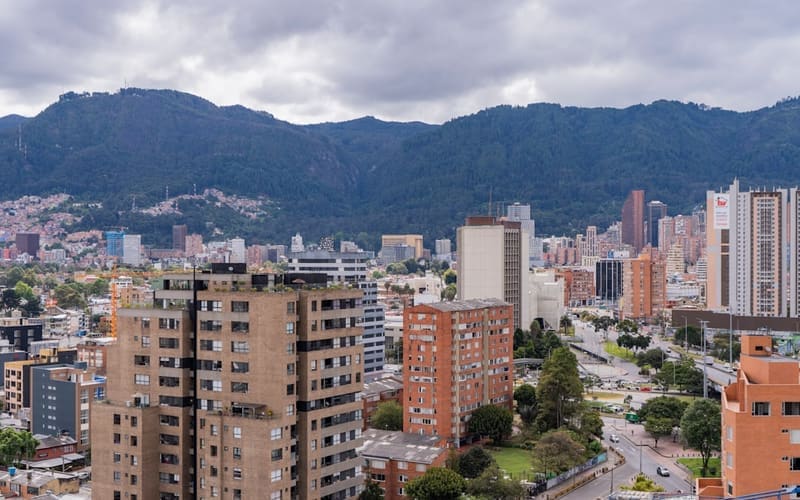
See places to stay and current pricesBogotá sits 2,640 meters above sea level on a high Andean plateau, a sprawling capital of around eight million people that holds the country's financial, political, and cultural weight. The nightlife scene splits clearly between the polished northern districts above Calle 70 and the rougher central neighborhoods south of Calle 26. For foreign visitors, the action concentrates in three zones: Zona Rosa, Parque 93, and parts of Chapinero.
Overview
Bogotá's nightlife reflects the city's contradictions. The Zona Rosa around Calle 82 has glossy clubs and rooftop bars catering to wealthy Colombians and visitors. Parque 93, a few blocks north, runs more refined: cocktail lounges, international restaurants, live jazz spots, and a generally older crowd. Chapinero stretches south through Bogotá's largest LGBT-friendly district and a dense university zone, with venues ranging from techno warehouses to neighborhood salsa bars.
The city sits at altitude. The thin air at 2,640 meters means alcohol hits harder, dehydration comes faster, and an aggressive first-night pace will wreck you. Locals know to pace themselves; visitors often don't.
Bogotanos, called rolos or cachacos, have a reputation across Colombia for being more reserved than people from the coast or Medellín. The dating culture is slower, more verbal, and less openly flirtatious than what you'll find in Cali or Cartagena. That doesn't mean cold, just measured. Spanish goes a long way here, and Bogotanos generally appreciate visitors who put in the effort.
Legal Context
Colombia's Constitutional Court has affirmed sex work as legitimate labor. Bogotá designates tolerance zones, primarily in the Santa Fe locality near Calle 19, where adult entertainment can operate with permits. The northern nightlife districts (Zona Rosa, Parque 93, Chapinero) are not tolerance zones; they're zoned for conventional bars, restaurants, and clubs.
City enforcement against informal sex tourism in the north has increased, with undercover operations in Zona Rosa during weekend peaks. Penalties for offenses involving minors are severe and aggressively prosecuted. Foreigners seen with much younger companions attract attention from both police and locals.
Key Areas
Zona Rosa (Calle 82-85). The city's main upscale nightlife corridor, anchored by the El Retiro and Andino shopping centers. Dense with clubs, rooftop bars, and restaurants. Most international visitors gravitate here first.
Zona T / Parque 93 (Calle 93). A few blocks north of Zona Rosa, this leafy park is surrounded by cocktail lounges, international restaurants, and live music venues. The crowd skews older, more affluent, and more sophisticated.
Chapinero (Carrera 13 / Calle 60). A vast, mixed neighborhood that includes Bogotá's main LGBT-friendly nightlife strip around Theatron, plus the underground techno scene at venues like Video Club. More spread out and less polished than the northern zones.
Usaquén. A colonial-era former village absorbed into northern Bogotá, with cobblestone streets, Sunday flea markets, and a quieter restaurant-and-cocktail-bar scene. Worth a visit for dinner, less so for late-night clubbing.
La Candelaria. The historic center southwest of Chapinero, dense with hostels, backpacker bars, and university crowds. Atmospheric during the day, considerably riskier at night.
Safety
Bogotá's safety situation runs significantly worse than Medellín or Cartagena. Take it seriously:
- Use Uber, Cabify, or InDriver exclusively at night. Never hail a street taxi after dark, especially alone
- Never accept drinks, cigarettes, food, or paper from strangers. Scopolamine drugging incapacitates victims completely
- Leave your passport at the hotel and carry only what you plan to spend that night
- Don't walk between venues in Chapinero at night; even short distances merit an Uber
- Stay alert at ATMs; use ones inside bank branches or shopping centers during business hours
- Save the tourist police number (165) and your hotel's address in your phone
- Travel insurance with medical evacuation is a must, not an optional add-on
The most dangerous moment is leaving a venue alone at 3 or 4 AM. Plan your exit with a real ride share, not a passing taxi.
Cultural Norms
Bogotanos are warm but reserved compared to other Colombians. Conversation starts more slowly than in Medellín or Cali. Eye contact and a measured pace work better than aggressive flirtation.
Dancing matters, especially salsa, reggaeton, and crossover. Basic competence on the dance floor signals investment and shifts how locals interact with you. Dress code in Zona Rosa and Parque 93 runs smart casual at minimum; closed shoes, collared shirts, and dark jeans get you into most venues. Shorts and sandals will be turned away at almost every Zona Rosa club.
Cash and cards both work; most northern venues accept Visa and Mastercard. Tip 10% at sit-down restaurants. Aguardiente and rum (especially Ron Medellín) are the local nightlife spirits.
Social Scene
Meeting locals in Bogotá takes more effort than in coastal cities. The expat and digital nomad scene clusters in Chapinero Alto and around Parque 93, where coworking spaces like Selina, WeWork, and Tinkko host their own communities. Daytime cafes are a natural starting point. Devoción in Quinta Camacho and Catación Pública in Chapinero are popular with international visitors.
Gringo Tuesdays, a weekly language exchange held at Vintrash in Zona Rosa (Calle 85 No 11-53), pulls a few hundred locals and foreigners every Tuesday from 5 PM. It's free until 6 PM, then 10,000-20,000 COP. Salsa classes in Chapinero accept drop-in students for 30,000-50,000 COP per class and create natural social contact. Several Facebook groups, including Bogotá Expats and Bogotá Digital Nomads, organize weekly meetups.
The dating culture in Bogotá runs more verbal than physical at first. Multiple dates before anything serious is the norm with locals. Spanish dramatically expands your pool.
Dating Apps
Tinder and Bumble are the dominant apps in Bogotá, with Tinder leading in volume and Bumble skewing slightly more educated. Hinge has grown over the past two years among English-speaking locals and expats. Match counts run high in the northern districts: profile your location in Zona Rosa or Parque 93 for the best results.
Bogotanas using dating apps lean cautious with foreigners. Profiles with a Spanish bio, photos showing Colombian context (Monserrate, a local restaurant, salsa class), and clear non-tourist intent get more genuine engagement. First dates typically happen at coffee shops, with Juan Valdez and Pergamino being common choices, before any nightlife meet-up.
Be alert for catfish accounts and romance scams. Profiles offering to meet immediately in a specific bar, or insisting on a particular hotel, are warning signs. Video-verify before meeting in person, and pick the venue yourself.
Scam Warnings
Scopolamine remains the top threat in Bogotá nightlife. Criminals slip the drug into drinks, cigarettes, or even paper handed to victims. Effects are rapid and severe: total compliance, suggestibility, and amnesia. Victims are robbed of everything they own, including bank accounts emptied at ATMs while still incapacitated. Never accept anything from a stranger, even something that seems harmless.
Fake police shakedowns. Individuals in plain clothes or fake uniforms approach foreigners demanding to inspect bags or wallets. Real Colombian police carry photo ID and won't take money on the street. Insist on going to a station; the fake ones will retreat.
Apartment robberies. Inviting someone you just met to your accommodation is among the highest-risk activities in Bogotá. Robbery, drugging, or assault by accomplices waiting nearby is common enough that hotels and Airbnb hosts actively warn against it.
Inflated bills. Some clubs run different price lists for foreigners or add phantom charges. Review every line of your bill before paying and refuse to settle anything you didn't order.
Best Times
Bogotá's weather stays cool year-round (12-19°C), so seasonal variation matters less than in coastal cities. The driest months (December-March, July-August) are most comfortable; April-May and October-November bring heavy rain.
Thursday through Saturday are the main nightlife nights. Bars fill from 9 PM. Clubs start filling around midnight and run until 3-4 AM at most venues, with some Chapinero spots like Video Club open until 6 AM. Sundays are notoriously quiet; many venues close.
The Rock al Parque festival (late June or early July) and the Hip Hop al Parque festival pull large international crowds and increase weekend nightlife pressure. Christmas and New Year's see the city partially empty as Bogotanos leave for the coast.
Getting Around
The TransMilenio bus rapid transit system covers most of the city but is overcrowded and a known pickpocket zone, especially at rush hour. Avoid using it at night with valuables.
Uber, Cabify, and InDriver are the standard transport for nightlife. Rides within the northern districts cost 8,000-20,000 COP. From Zona Rosa to Chapinero runs 12,000-18,000 COP. App-based options are safer than street taxis, which are subject to longer routes and "millionaire's rides" (express kidnappings).
Walking is fine during the day in Zona Rosa, Parque 93, and around Usaquén. Avoid walking at night anywhere in the city, including between venues in the same neighborhood.
What Not to Do
- Do not hail street taxis at night; use Uber, Cabify, or InDriver exclusively
- Do not accept drinks, cigarettes, food, or any object from strangers
- Do not invite people you just met to your accommodation
- Do not walk alone between venues at night, even short distances
- Do not flash phones, watches, jewelry, or large amounts of cash
- Do not use ATMs on the street after dark
- Do not engage with anyone who appears underage; penalties are severe
- Do not resist armed robbery; comply and report afterward
- Do not visit La Candelaria or central Bogotá at night without a reason
- Do not assume every friendly approach is genuine, especially from strangers in nightlife settings
Get the Legal Status PDF, 50 countries
Newsletter signup coming soon. Check back shortly.
Flights to Bogotá
Compare prices across airlines. Filter by stops, time, and cabin.
Airport transfer to Bogotá
Pre-booked transfers cost about the same as a metered taxi but cut out the airport queue, the meter argument, and the "no English" routine that takes some drivers to the wrong address. Fixed price quoted before booking, driver tracks your flight, waits with a name sign at arrivals.
Book a KiwiTaxi transferRelated Guides
Chapinero
District guide to Chapinero in Bogotá, the city's bohemian and LGBT-friendly nightlife area with underground techno, late-night venues, and salsa bars.
Read guideZona Rosa
District guide to Zona Rosa, Bogotá's main upscale nightlife corridor around Calle 82-85, with venue details, pricing, and safety advice.
Read guideZona T / Parque 93
Guide to Parque 93 in Bogotá's El Chicó area, the city's refined nightlife district with cocktail lounges, rooftops, and live music for affluent crowds.
Read guideFrequently Asked Questions
Was this guide helpful?