District Guides
Click through for street-level detail
District Map of Tirana
Pick a district to recenter the map and see hotels nearby.
Where to stay in Tirana
Compare hotels and rentals across the city's nightlife districts.
See places to stay and current pricesOverview
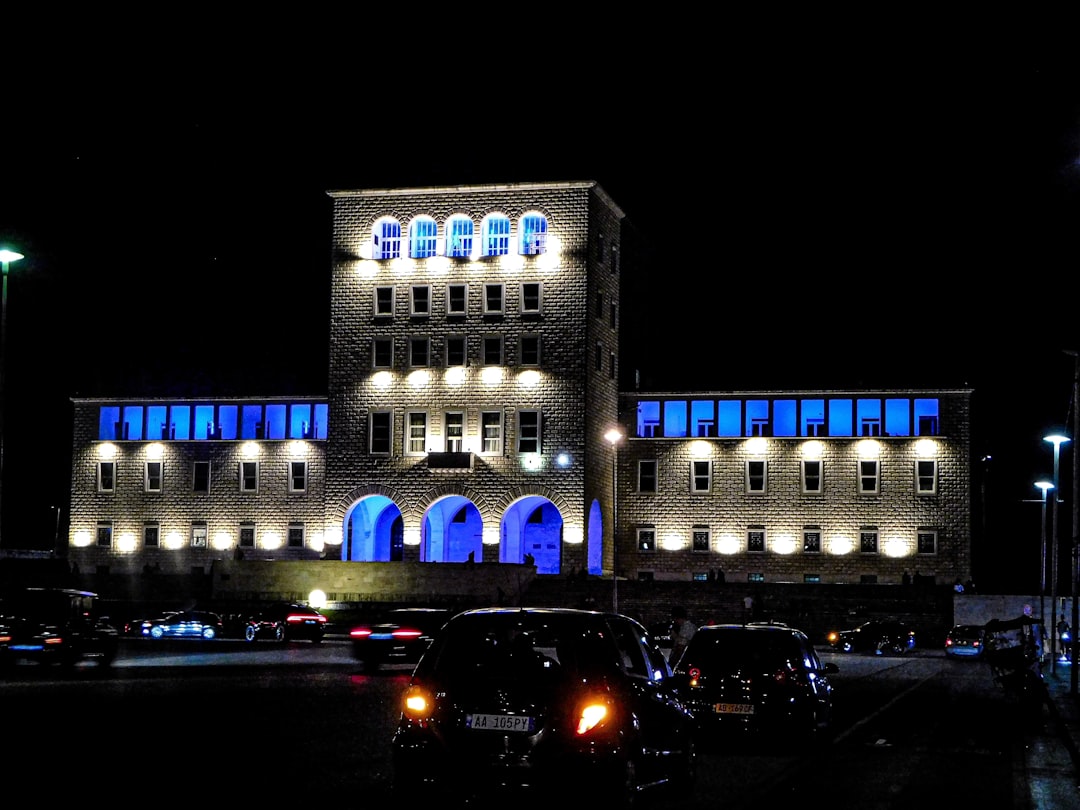
Tirana is a city of contrasts that don't try to resolve themselves. Ottoman-era buildings stand next to Stalinist architecture next to glass towers, and nobody seems bothered by the mix. The capital of Albania has roughly 900,000 residents and has transformed from one of Europe's most closed cities into an increasingly popular destination since the early 2010s. The pace of change is visible: construction cranes compete with minarets on the skyline.
We spent 3 days in Tirana researching this guide.
The nightlife centers on Blloku, a few square blocks south of Skanderbeg Square that were off-limits to ordinary Albanians until 1991. The former communist elite's private compound is now the densest concentration of cafes, bars, and restaurants in the country. The irony isn't lost on locals, and it adds a layer of dark humor to what is, fundamentally, a good-time neighborhood.
Legal Context
Albanian law criminalizes both selling sex and organizing prostitution, but enforcement in Tirana's nightlife zones is negligible. Police in Blloku focus on public order, traffic, and noise complaints. The district is a legitimate entertainment zone with licensed businesses, and there's no tension between nightlife and law enforcement under normal circumstances.
Drug possession is a criminal offense in Albania. Cannabis is widely grown in the country's interior, but possession in Tirana carries real legal risk. Police can and do search in nightlife areas, and foreign passport holders don't get a pass.
Key Areas
Blloku is Tirana's only true nightlife district. The area bounded roughly by Rruga Ibrahim Rugova, Rruga Sami Frasheri, Rruga Vaso Pasha, and Rruga Brigada VIII holds dozens of bars, clubs, and restaurants within walking distance. It's safe, well-lit, and populated from early evening until the early morning hours. Almost everything worth visiting in Tirana after dark is here or within a short walk.
Outside Blloku, the area around the Grand Park of Tirana (Parku i Madh) has a few scattered bars and restaurants. The Rruga Myslym Shyri strip north of Blloku has cafes that stay open late. Neither area approaches Blloku's concentration or energy.
Safety
Tirana is safe by the standards of European capitals, with a few specific considerations.
- Street crime is mostly opportunistic. Watch your phone and wallet in crowded bars
- Stray dogs are a genuine issue in outer neighborhoods. They're generally not aggressive but can be startling at night. Blloku itself has fewer strays than the city average
- Traffic in Tirana is chaotic. Drivers don't reliably stop at crosswalks. Look carefully when crossing streets, even in Blloku
- Police are generally helpful to tourists. The tourist police unit operates in the city center
- Scams targeting tourists are less developed than in more established destinations. The main risk is taxi overcharging
- Blood feuds (gjakmarrja) exist in northern Albania but don't affect tourists or Tirana's urban environment
Emergency services respond at 112. English is spoken at tourist police stations. Hospital emergency rooms have limited English capacity; your hotel can help arrange interpretation.
Cultural Norms
Albanians are among the most hospitable people in Europe, and this isn't a guidebook cliche. The cultural tradition of besa means that a guest is treated with genuine care. If an Albanian invites you for coffee or rakija, they mean it sincerely, and declining can be taken as a slight.
Tirana's social scene is fashion-conscious. Young Albanians dress well for nights out, and Blloku's streets function as a runway on Friday and Saturday evenings. Looking presentable matters more than wearing expensive clothes. Clean, well-fitted clothing signals respect for the social occasion.
The cafe culture runs deep. Albania has an extraordinary number of cafes per capita, and sitting over espresso for hours is a daily ritual. Daytime socializing happens over macchiato; evening socializing moves to cocktails and beer. The transition is natural and the same venues often serve both functions.
Tipping isn't expected at bars but is appreciated. Rounding up to the nearest ALL 100 is standard. Most Blloku venues accept cards, but smaller bars and cafes are cash-only. ATMs are plentiful in the city center. The currency is the Albanian lek (ALL), though euros are widely accepted at a rough 1:110 rate.
Getting Around
- Walking: Blloku is entirely walkable. The whole district covers a few square blocks. Walking from Skanderbeg Square to Blloku takes about 15 minutes
- Taxis: Inexpensive but use metered taxis or ride-hailing apps. A cross-city ride costs ALL 300-600 (EUR 2.70-5.40). Speed Taxi and Green Taxi are reliable companies
- Ride-hailing: The app "inDriver" works in Tirana. It's negotiation-based; propose a fair price and the driver accepts or counters
- Buses: Urban buses run until about 9 PM and aren't useful for nightlife
- Driving: Not recommended in Tirana. Traffic rules are suggestions, parking is scarce, and the stress isn't worth it
Get the Legal Status PDF, 50 countries
Newsletter signup coming soon. Check back shortly.
Flights to Tirana
Compare prices across airlines. Filter by stops, time, and cabin.
Airport transfer to Tirana
Pre-booked transfers cost about the same as a metered taxi but cut out the airport queue, the meter argument, and the "no English" routine that takes some drivers to the wrong address. Fixed price quoted before booking, driver tracks your flight, waits with a name sign at arrivals.
Book a KiwiTaxi transferFrequently Asked Questions
Was this guide helpful?